THE ADVENTURE COLLECTIVE® · Independent discovery and booking for outdoor travel

A small-group, off-grid boat expedition between Coron and El Nido that focuses on remote sandbars, quiet reefs, and sleeping in beach huts or on the sand. Over three days expect long snorkel sessions, village visits, campfires, and flexible routing based on sea conditions.
A small-group, off-grid boat expedition between Coron and El Nido that focuses on remote sandbars, quiet reefs, and sleeping in beach huts or on the sand. Over three days expect long snorkel sessions, village visits, campfires, and flexible routing based on sea conditions.
Dawn arrives as a narrow ribbon of light on the horizon and the boat slides away from Coron’s harbor, the engine a steady pulse beneath the quiet. Over three days the vessel threads between remote sandbars and coconut-fringed isles—Bulog Dos, Dipalian, Ginto—each stop offering a shallow lagoon, powdery shore, and reef that seems to glow from below.
Verified experiences and guided adventures in the surrounding area.
Operated by El Nido Adventure Tours · Coron, Palawan
Dawn arrives as a narrow ribbon of light on the horizon and the boat slides away from Coron’s harbor, the engine a steady pulse beneath the quiet. Over three days the vessel threads between remote sandbars and coconut-fringed isles—Bulog Dos, Dipalian, Ginto—each stop offering a shallow lagoon, powdery shore, and reef that seems to glow from below.
This corridor of Palawan sits where wind-sculpted coral shelves meet old marine channels carved by tides and storms. The islands host small fishing villages with simple houses and a culture shaped by the sea: boatbuilding, hand-line fishing, and communal meals eaten under palms. Geologically the area is a patchwork of limestone outcrops and submerged reef flats; biologically it’s prized for water clarity and coral gardens that support reef fish and occasional turtles.
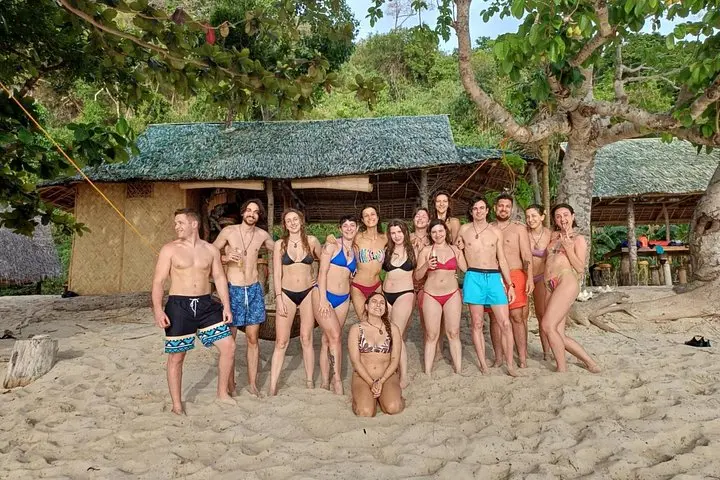
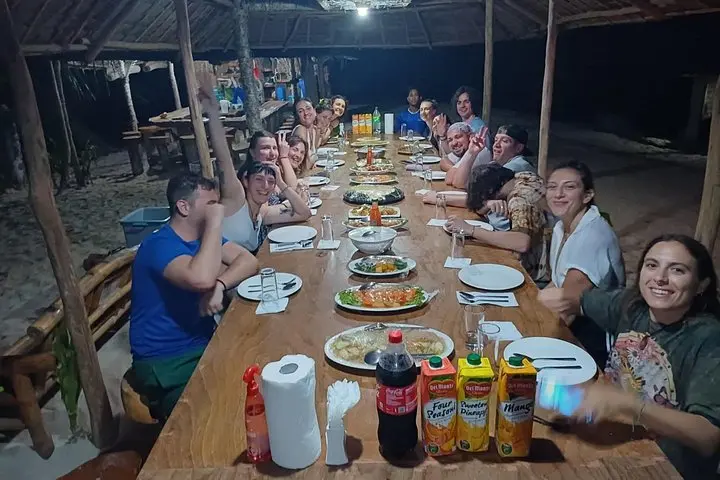
Expect expedition-style travel: small groups, multi-hour cruising legs between islands (typically 1–4 hours), camping or basic beach huts set right on the sand, nightly campfires and shared meals prepared by local cooks. Days focus on snorkeling, short beach walks, swimming, and easy hikes to viewpoints; nights are for unplugging, stargazing, and a cultural exchange with island hosts.
Practical advice: bring reef‑safe sunscreen, a fitted snorkel set (masks/snorkels often provided), seasickness remedies, and a lightweight rain shell. Water, breakfasts and most meals are included but carry small cash for village purchases. The route is off-grid and flexible—good weather and sea conditions dictate the exact stops—so pack for sun, salt, and simple comfort.
Masks and snorkels are listed as included; most breakfasts, lunches and dinners across the three days are provided—bring personal gear for comfort.
Infants must sit on an adult’s lap; the expedition involves open water and basic huts so assess children’s sea tolerance and mobility before booking.
Accommodations are simple—beach huts or camping on sand with basic sleeping setups; this is an expedition, not a luxury tour.
Very—stops and timing are adjusted for weather and sea conditions to prioritize safety and the best snorkel sites.
El Nido Adventure Tours operates guided outdoor trips and adventures with an emphasis on safety, stewardship, and memorable experiences.
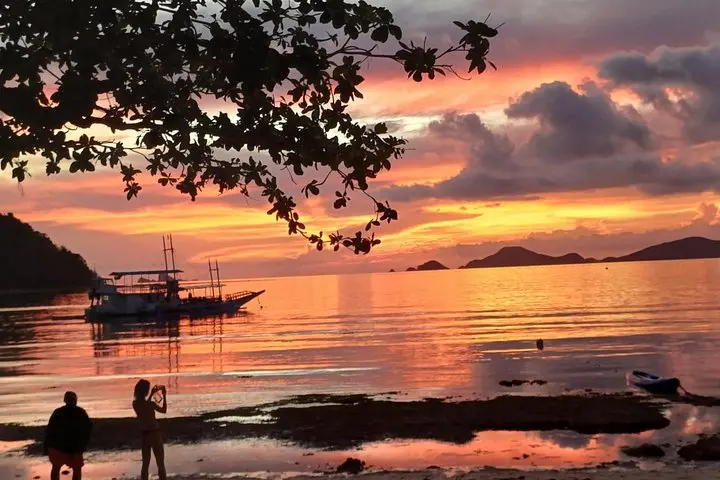
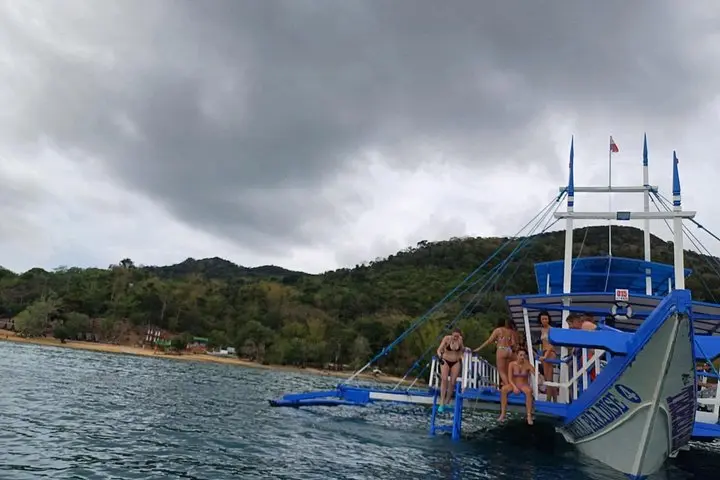
Dawn arrives as a narrow ribbon of light on the horizon and the boat slides away from Coron’s harbor, the engine a steady pulse beneath the quiet. Over three days the vessel threads between remote sandbars and coconut-fringed isles—Bulog Dos, Dipalian, Ginto—each stop offering a shallow lagoon, powdery shore, and reef that seems to glow from below.
Dawn arrives as a narrow ribbon of light on the horizon and the boat slides away from Coron’s harbor, the engine a steady pulse beneath the quiet. Over three days the vessel threads between remote sandbars and coconut-fringed isles—Bulog Dos, Dipalian, Ginto—each stop offering a shallow lagoon, powdery shore, and reef that seems to glow from below.
This corridor of Palawan sits where wind-sculpted coral shelves meet old marine channels carved by tides and storms. The islands host small fishing villages with simple houses and a culture shaped by the sea: boatbuilding, hand-line fishing, and communal meals eaten under palms. Geologically the area is a patchwork of limestone outcrops and submerged reef flats; biologically it’s prized for water clarity and coral gardens that support reef fish and occasional turtles.
Expect expedition-style travel: small groups, multi-hour cruising legs between islands (typically 1–4 hours), camping or basic beach huts set right on the sand, nightly campfires and shared meals prepared by local cooks. Days focus on snorkeling, short beach walks, swimming, and easy hikes to viewpoints; nights are for unplugging, stargazing, and a cultural exchange with island hosts.
Practical advice: bring reef‑safe sunscreen, a fitted snorkel set (masks/snorkels often provided), seasickness remedies, and a lightweight rain shell. Water, breakfasts and most meals are included but carry small cash for village purchases. The route is off-grid and flexible—good weather and sea conditions dictate the exact stops—so pack for sun, salt, and simple comfort.