THE ADVENTURE COLLECTIVE® · Independent discovery and booking for outdoor travel

Ride an ATV or UTV from Antigua into the coffee hills, tour a working plantation, taste fresh brews and finish at Cerro de la Cruz with volcano views. This three-hour loop mixes off-road driving with a concise, educational look at Guatemala’s coffee process.
Ride an ATV or UTV from Antigua into the coffee hills, tour a working plantation, taste fresh brews and finish at Cerro de la Cruz with volcano views. This three-hour loop mixes off-road driving with a concise, educational look at Guatemala’s coffee process.
The engine wakes the colonial streets as riders peel out of Antigua and climb toward the patchwork hills that cradle Guatemala’s coffee country.
Verified experiences and guided adventures in the surrounding area.
Operated by Antigua Rides · Antigua Guatemala, Sacatepéquez
The engine wakes the colonial streets as riders peel out of Antigua and climb toward the patchwork hills that cradle Guatemala’s coffee country.
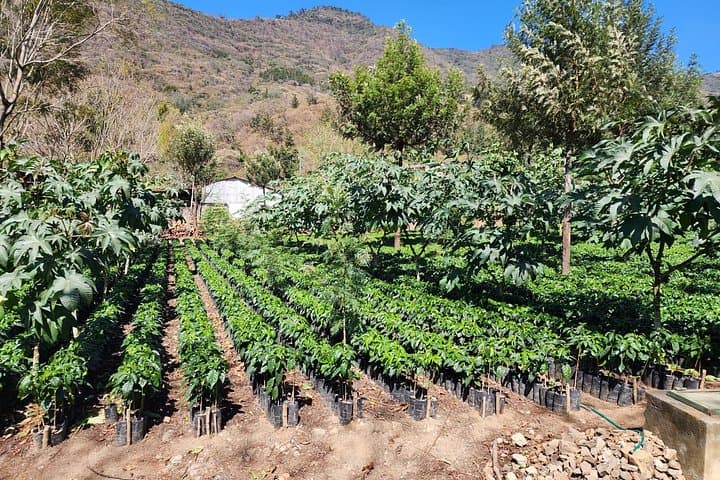
You’ll trade cobblestones for dirt and the city’s pastel facades for rows of glossy coffee bushes, framed by the smoking cones of Agua, Fuego and Acatenango. The route moves fast—short accelerations across farm lanes, a slow, instructive stop at the plantation, then a gentle roll up to El Cerro de la Cruz where the Panchoy Valley spreads below.
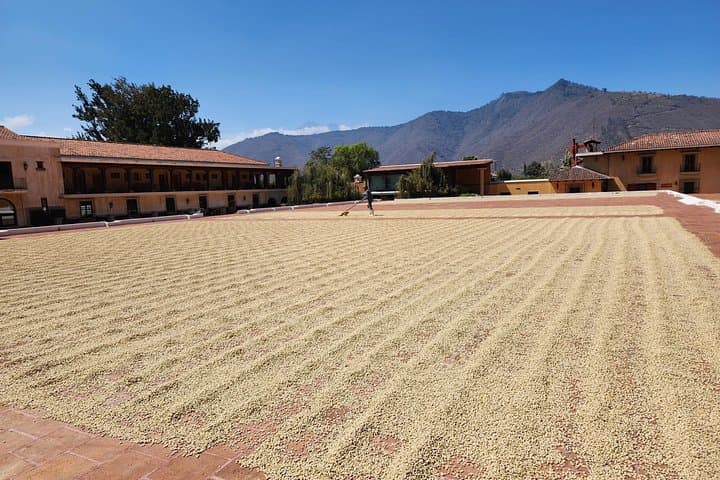
Antigua’s terraces are the product of volcanic soils and colonial land-use patterns; coffee here has been a cash crop since the 19th century and farms often run family operations that mix traditional wet-processing with newer sustainable practices. The tour pairs hands-on coffee-processing demos with the immediacy of off-road driving—ATVs for solo or pairs, UTVs for groups up to five, and a 4x4 shuttle on the farm itself.
Practical notes: the experience is three hours total, helmets are provided, and vehicles have minimum occupancy rules. Riders should wear closed-toe shoes, bring sun protection and a refillable water bottle. The terrain alternates packed dirt and rutted farm tracks—expect bumps, short climbs and a few grassy switchbacks. Morning departures give cooler air and clearer volcano views; afternoons are hotter and dustier.
For travelers who want sensory immediacy—engine vibration underfoot, coffee-soaked air, an open viewpoint of volcanic peaks—this is a compact, motorized way to connect Antigua’s cultural landscape with its agricultural backbone.
No—guides will brief riders and the route is designed for mixed experience; UTVs are available for groups who prefer not to drive.
Yes—safety helmets are included in the tour price and required while mounted on vehicles.
Infants may ride on an adult’s lap per the operator’s policy, but vehicles have minimum occupant rules and not all ages are comfortable on rough terrain.
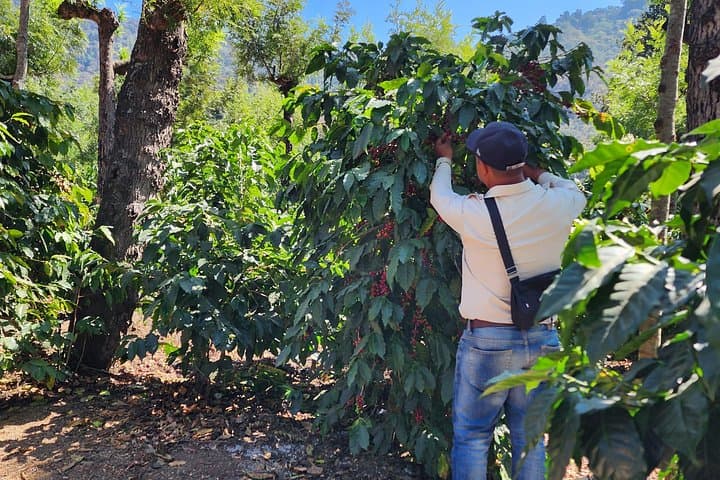
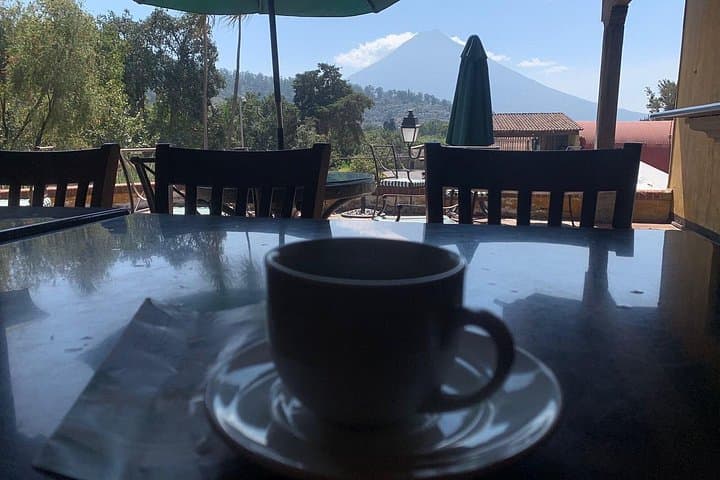
Yes—most stops on the coffee farm include a guided walkthrough of processing and a tasting of roasted coffee.
Antigua Rides operates guided outdoor trips and adventures with an emphasis on safety, stewardship, and memorable experiences.
The engine wakes the colonial streets as riders peel out of Antigua and climb toward the patchwork hills that cradle Guatemala’s coffee country.
The engine wakes the colonial streets as riders peel out of Antigua and climb toward the patchwork hills that cradle Guatemala’s coffee country.
You’ll trade cobblestones for dirt and the city’s pastel facades for rows of glossy coffee bushes, framed by the smoking cones of Agua, Fuego and Acatenango. The route moves fast—short accelerations across farm lanes, a slow, instructive stop at the plantation, then a gentle roll up to El Cerro de la Cruz where the Panchoy Valley spreads below.
Antigua’s terraces are the product of volcanic soils and colonial land-use patterns; coffee here has been a cash crop since the 19th century and farms often run family operations that mix traditional wet-processing with newer sustainable practices. The tour pairs hands-on coffee-processing demos with the immediacy of off-road driving—ATVs for solo or pairs, UTVs for groups up to five, and a 4x4 shuttle on the farm itself.
Practical notes: the experience is three hours total, helmets are provided, and vehicles have minimum occupancy rules. Riders should wear closed-toe shoes, bring sun protection and a refillable water bottle. The terrain alternates packed dirt and rutted farm tracks—expect bumps, short climbs and a few grassy switchbacks. Morning departures give cooler air and clearer volcano views; afternoons are hotter and dustier.
For travelers who want sensory immediacy—engine vibration underfoot, coffee-soaked air, an open viewpoint of volcanic peaks—this is a compact, motorized way to connect Antigua’s cultural landscape with its agricultural backbone.