THE ADVENTURE COLLECTIVE® · Independent discovery and booking for outdoor travel

Ride a 4x4 from Baku to Gobustan and meet Azerbaijan’s bubbling mud volcanoes, ancient petroglyphs and a Roman-inscribed stone. This private, half-day jeep safari combines off-road thrills with deep-time history and dramatic coastal views.
Ride a 4x4 from Baku to Gobustan and meet Azerbaijan’s bubbling mud volcanoes, ancient petroglyphs and a Roman-inscribed stone. This private, half-day jeep safari combines off-road thrills with deep-time history and dramatic coastal views.
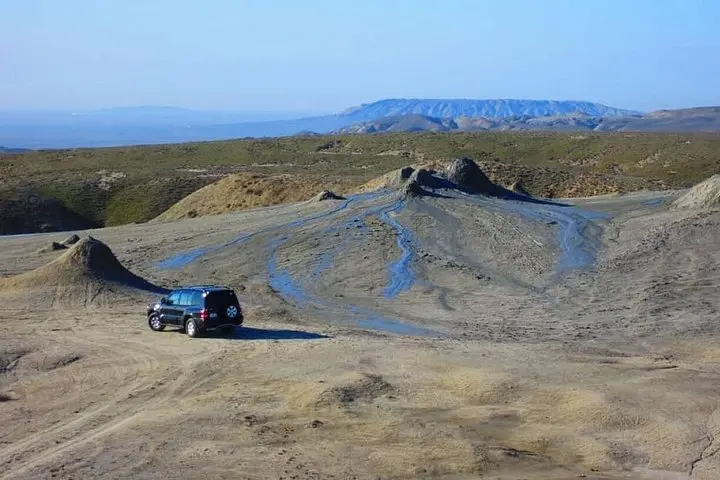
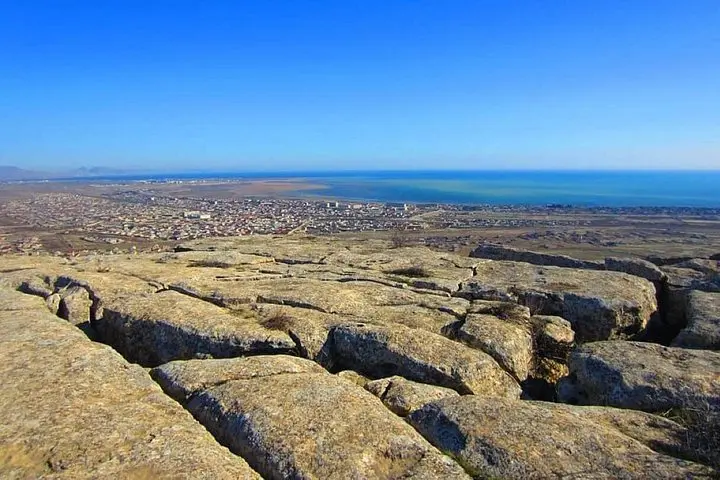
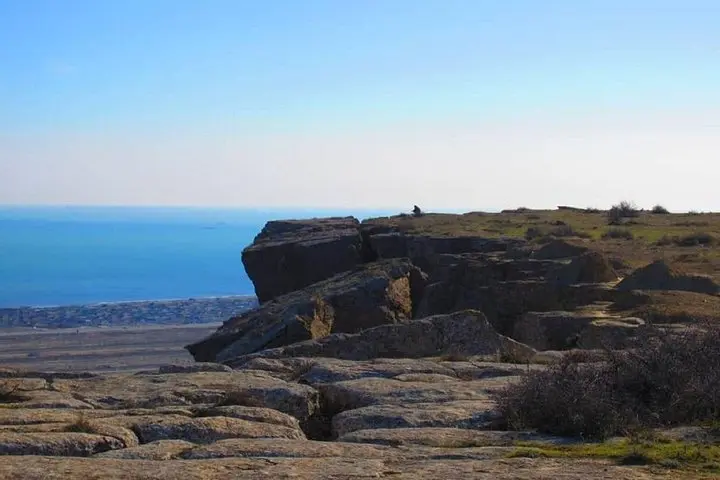
The jeep bounces off a dirt spine, tires slinging gravel like punctuation, and the coast of the Caspian slides into view—low, gray, and wide. Wind strips the heat from your face as the driver aims the 4x4 toward a field of steaming domes: Azerbaijan’s mud volcanoes. They hiss and bubble, slow geological breaths that stain your clothes and insist you keep your distance. A short climb onto the Kichik Dash plateau opens a raw panorama of carved rock, scrubland and the sea horizon—an uncompromising landscape that has recorded human life for millennia.
Verified experiences and guided adventures in the surrounding area.
Operated by Nasimi's Adventure Tours · Gobustan, Gobustan District
The jeep bounces off a dirt spine, tires slinging gravel like punctuation, and the coast of the Caspian slides into view—low, gray, and wide. Wind strips the heat from your face as the driver aims the 4x4 toward a field of steaming domes: Azerbaijan’s mud volcanoes. They hiss and bubble, slow geological breaths that stain your clothes and insist you keep your distance. A short climb onto the Kichik Dash plateau opens a raw panorama of carved rock, scrubland and the sea horizon—an uncompromising landscape that has recorded human life for millennia.
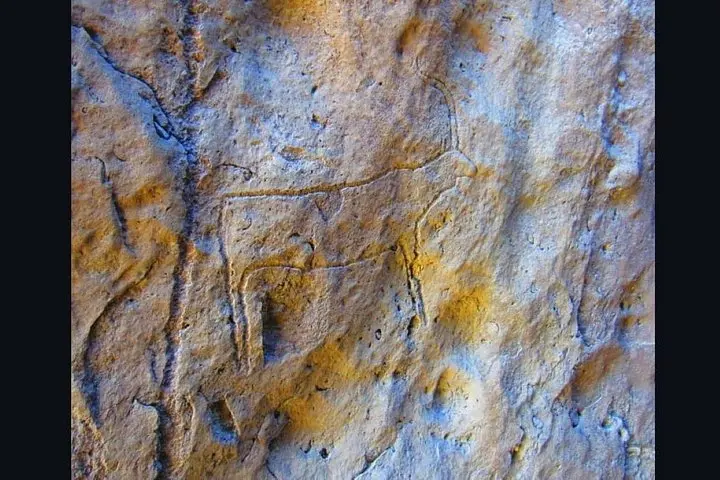
Gobustan National Park is not only spectacle; it’s an archive. The park’s petroglyphs—etched by hunter-gatherers and later pastoral peoples—offer figural scenes of boats, gazelles and ritual moments dating back thousands of years. Archaeologists point to layers of human occupation here; Roman soldiers left inscriptions too, a small but tangible echo of imperial reach on a lonely stone. Nearby Boyuk Dash Museum organizes these fragments into context, linking rock art to the region’s rising and receding shorelines and to the volcanic processes that still shape the earth.
Geologically, the mud volcanoes are driven by subterranean hydrocarbons and gases that push up fine sediments, creating cones and puddles of gray slurry that can spit and splatter with surprising force. Azerbaijan has some of the world’s most active mud volcanoes; here, the phenomenon is at once tourist magnet and reminder of subterranean ferocity beneath a calm plain.
Culturally, the route from Baku to Gobustan traces the country’s layered identity: ancient nomadism, Persian and Turkic influences, and a Soviet-era push into oil and geology. Local guides often mix geology with folklore—stories of spirits living in the bubbling mounds—and point out how the landscape informed traditional livelihoods.
Practical guidance: the tour runs about five hours with hotel pickup in Baku. Expect bumpy off-road sections and short walks across loose, dusty terrain; closed-toe shoes and a firm gait are wise. Bring sun protection, at least 1–2 liters of water, and a rain shell in shoulder seasons. Cameras will be rewarded at the mud domes, the Roman inscribed stone, and the petroglyph terrace—keep a telephoto for detail shots.
Safety and etiquette: remain behind barrier lines at mud volcanoes and respect petroglyph panels—no touching or climbing. The tour is private and suitable for most fitness levels, but not recommended for those with serious back or heart conditions. Time your visit outside midday heat in summer and arrive early in shoulder seasons for softer light and fewer crowds.
For travelers looking to pair natural oddity with deep history, the off-road Gobustan jeep safari is a compact, memorable day trip from Baku—equal parts geology lesson, archaeological open-air museum, and off-road thrill.
The tour is approximately five hours with hotel pickup and drop-off in Baku; meeting in the hotel lobby is standard.
Guides manage safe viewing distances; avoid getting close to active vents and never stand on unstable cones.
Yes—infants can ride in strollers and children can join, but parents should account for bumpy jeep sections and sticky mud.
Walks are short—typically 15–30 minutes on uneven ground to view open-air petroglyph panels and terraces.
Entrance fees to Gobustan museum and reserve are included in the tour, as listed in the itinerary inclusions.
Morning or late afternoon provides cooler temperatures, softer light for photography, and fewer visitors—avoid midday in summer.
Nasimi's Adventure Tours operates guided outdoor trips and adventures with an emphasis on safety, stewardship, and memorable experiences.
The jeep bounces off a dirt spine, tires slinging gravel like punctuation, and the coast of the Caspian slides into view—low, gray, and wide. Wind strips the heat from your face as the driver aims the 4x4 toward a field of steaming domes: Azerbaijan’s mud volcanoes. They hiss and bubble, slow geological breaths that stain your clothes and insist you keep your distance. A short climb onto the Kichik Dash plateau opens a raw panorama of carved rock, scrubland and the sea horizon—an uncompromising landscape that has recorded human life for millennia.
The jeep bounces off a dirt spine, tires slinging gravel like punctuation, and the coast of the Caspian slides into view—low, gray, and wide. Wind strips the heat from your face as the driver aims the 4x4 toward a field of steaming domes: Azerbaijan’s mud volcanoes. They hiss and bubble, slow geological breaths that stain your clothes and insist you keep your distance. A short climb onto the Kichik Dash plateau opens a raw panorama of carved rock, scrubland and the sea horizon—an uncompromising landscape that has recorded human life for millennia.
Gobustan National Park is not only spectacle; it’s an archive. The park’s petroglyphs—etched by hunter-gatherers and later pastoral peoples—offer figural scenes of boats, gazelles and ritual moments dating back thousands of years. Archaeologists point to layers of human occupation here; Roman soldiers left inscriptions too, a small but tangible echo of imperial reach on a lonely stone. Nearby Boyuk Dash Museum organizes these fragments into context, linking rock art to the region’s rising and receding shorelines and to the volcanic processes that still shape the earth.
Geologically, the mud volcanoes are driven by subterranean hydrocarbons and gases that push up fine sediments, creating cones and puddles of gray slurry that can spit and splatter with surprising force. Azerbaijan has some of the world’s most active mud volcanoes; here, the phenomenon is at once tourist magnet and reminder of subterranean ferocity beneath a calm plain.
Culturally, the route from Baku to Gobustan traces the country’s layered identity: ancient nomadism, Persian and Turkic influences, and a Soviet-era push into oil and geology. Local guides often mix geology with folklore—stories of spirits living in the bubbling mounds—and point out how the landscape informed traditional livelihoods.
Practical guidance: the tour runs about five hours with hotel pickup in Baku. Expect bumpy off-road sections and short walks across loose, dusty terrain; closed-toe shoes and a firm gait are wise. Bring sun protection, at least 1–2 liters of water, and a rain shell in shoulder seasons. Cameras will be rewarded at the mud domes, the Roman inscribed stone, and the petroglyph terrace—keep a telephoto for detail shots.
Safety and etiquette: remain behind barrier lines at mud volcanoes and respect petroglyph panels—no touching or climbing. The tour is private and suitable for most fitness levels, but not recommended for those with serious back or heart conditions. Time your visit outside midday heat in summer and arrive early in shoulder seasons for softer light and fewer crowds.
For travelers looking to pair natural oddity with deep history, the off-road Gobustan jeep safari is a compact, memorable day trip from Baku—equal parts geology lesson, archaeological open-air museum, and off-road thrill.