THE ADVENTURE COLLECTIVE® · Independent discovery and booking for outdoor travel

Tackle Adam’s Peak in the rainy off-season for a damp, demanding climb through the Peak Wilderness Sanctuary. Expect thousands of mossy steps, sudden waterfalls, and a culturally charged summit at 2,243 m.
Tackle Adam’s Peak in the rainy off-season for a damp, demanding climb through the Peak Wilderness Sanctuary. Expect thousands of mossy steps, sudden waterfalls, and a culturally charged summit at 2,243 m.
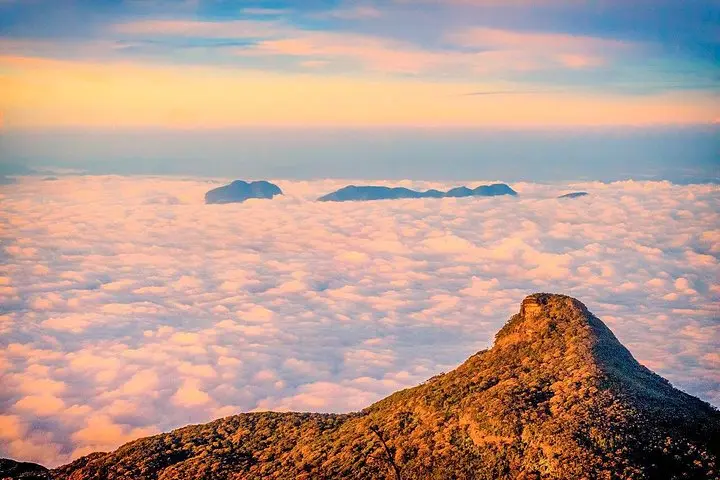
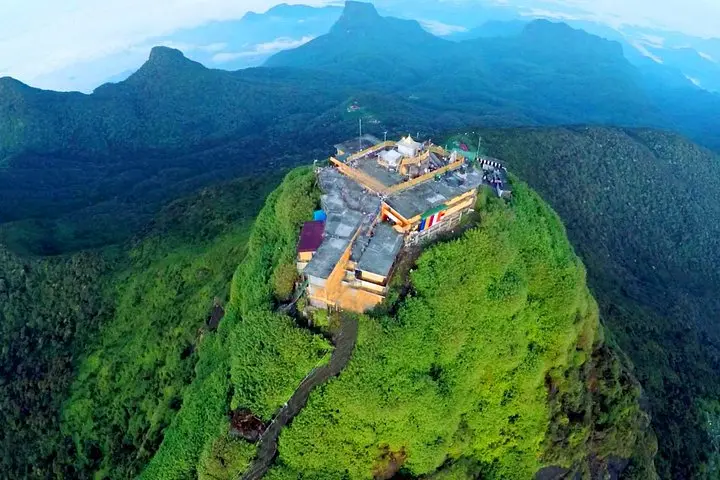
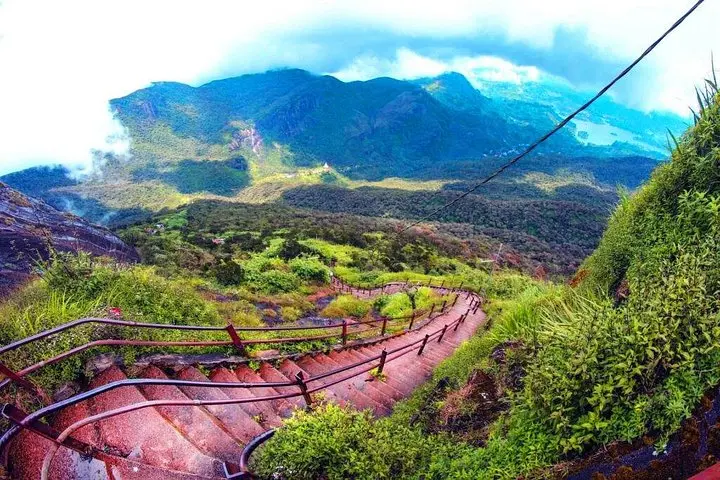
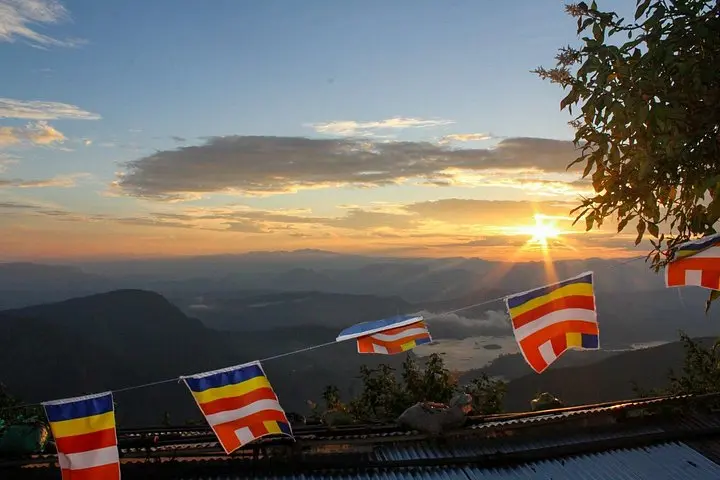
A wet, green world presses in as you begin the climb: heavy leaves drip on rust-colored steps, and the trail smells of loam and rain. The off-season ascent of Adam’s Peak (Sri Pada) pushes hikers through the Peak Wilderness Sanctuary on thousands of cut steps that rise toward the mountain’s 2,243 m summit, the sacred footprint visible to pilgrims in clear weather.
Verified experiences and guided adventures in the surrounding area.
Operated by Lakpura LLC · Nallathanniya, Central Province
A wet, green world presses in as you begin the climb: heavy leaves drip on rust-colored steps, and the trail smells of loam and rain. The off-season ascent of Adam’s Peak (Sri Pada) pushes hikers through the Peak Wilderness Sanctuary on thousands of cut steps that rise toward the mountain’s 2,243 m summit, the sacred footprint visible to pilgrims in clear weather.
The mountain has been a crossroads of belief for centuries — Buddhists, Hindus, Muslims and Christians all attach meaning to the summit. Geologically, Adam’s Peak rises from the central highlands’ Precambrian rock; the jagged ridgelines and steep gullies direct rainwater into a network of streams and waterfalls you'll cross or see on descent. During the rainy months the forest’s moss claims the stone steps and the jungle seems to test your footing, while late-season breaks can reveal sweeping valley views and the silhouette of tea estates clinging to the hills.
Practical guidance: expect a long, slippery day — plan for 10–14 hours round-trip, wear grippy, waterproof boots and a waterproof shell, and use trekking poles for balance. Bring at least 1.5–2 liters of water, quick calories, and a headlamp if there’s any chance of pre-dawn starts. The route is best done with a local guide familiar with changing trail conditions and small waterfalls that appear suddenly in heavy rain. Follow Leave No Trace: stay on the steps, avoid trampling vegetation, and pack out all trash.
There’s no separate permit for day hikers, but the area is protected—follow sanctuary rules, respect signage and stay on the established route.
The summit sits at 2,243 m; depending on your trailhead the round-trip typically takes 10–14 hours in off-season conditions with several thousand steps and substantial elevation gain.
Not in the off-season—wet, slippery steps and long duration mean this is best for hikers with moderate-to-strong fitness and prior uphill day-hike experience.
Peak pilgrimage season runs December–April when trails are drier and facilities busier; off-season offers solitude but wetter, more challenging conditions.
Lakpura LLC operates guided outdoor trips and adventures with an emphasis on safety, stewardship, and memorable experiences.
A wet, green world presses in as you begin the climb: heavy leaves drip on rust-colored steps, and the trail smells of loam and rain. The off-season ascent of Adam’s Peak (Sri Pada) pushes hikers through the Peak Wilderness Sanctuary on thousands of cut steps that rise toward the mountain’s 2,243 m summit, the sacred footprint visible to pilgrims in clear weather.
A wet, green world presses in as you begin the climb: heavy leaves drip on rust-colored steps, and the trail smells of loam and rain. The off-season ascent of Adam’s Peak (Sri Pada) pushes hikers through the Peak Wilderness Sanctuary on thousands of cut steps that rise toward the mountain’s 2,243 m summit, the sacred footprint visible to pilgrims in clear weather.
The mountain has been a crossroads of belief for centuries — Buddhists, Hindus, Muslims and Christians all attach meaning to the summit. Geologically, Adam’s Peak rises from the central highlands’ Precambrian rock; the jagged ridgelines and steep gullies direct rainwater into a network of streams and waterfalls you'll cross or see on descent. During the rainy months the forest’s moss claims the stone steps and the jungle seems to test your footing, while late-season breaks can reveal sweeping valley views and the silhouette of tea estates clinging to the hills.
Practical guidance: expect a long, slippery day — plan for 10–14 hours round-trip, wear grippy, waterproof boots and a waterproof shell, and use trekking poles for balance. Bring at least 1.5–2 liters of water, quick calories, and a headlamp if there’s any chance of pre-dawn starts. The route is best done with a local guide familiar with changing trail conditions and small waterfalls that appear suddenly in heavy rain. Follow Leave No Trace: stay on the steps, avoid trampling vegetation, and pack out all trash.