THE ADVENTURE COLLECTIVE® · Independent discovery and booking for outdoor travel

A compact, high-Andean trek that routes through Huchuy Qosqo’s terraces and ravines before delivering you to Machu Picchu via Ollantaytambo and Aguas Calientes. Expect dramatic passes, Inca archaeology, and a mix of trail solitude and historic spectacle.
A compact, high-Andean trek that routes through Huchuy Qosqo’s terraces and ravines before delivering you to Machu Picchu via Ollantaytambo and Aguas Calientes. Expect dramatic passes, Inca archaeology, and a mix of trail solitude and historic spectacle.
Dawn breaks over Cusco as a van snakes up to the village of Tauca and drops you at 3,750 m. You shoulder a 30–40 L pack and step onto a high-Andean track that climbs into puna grass and wind-swept ridgelines. The pass at roughly 4,050 m opens onto broad views of the Vilcabamba range — Veronica and Pitusiray carving the skyline — before a steady descent into the Huchuy Qosqo plateau where stone walls and terraces appear like a human-made horizon.
Verified experiences and guided adventures in the surrounding area.
Operated by PERU TRAVEL COMPANY · Cusco, Cusco Region
Dawn breaks over Cusco as a van snakes up to the village of Tauca and drops you at 3,750 m. You shoulder a 30–40 L pack and step onto a high-Andean track that climbs into puna grass and wind-swept ridgelines. The pass at roughly 4,050 m opens onto broad views of the Vilcabamba range — Veronica and Pitusiray carving the skyline — before a steady descent into the Huchuy Qosqo plateau where stone walls and terraces appear like a human-made horizon.
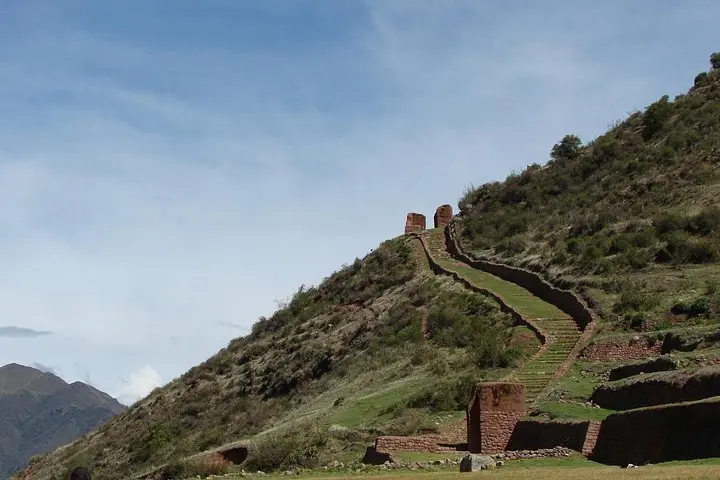
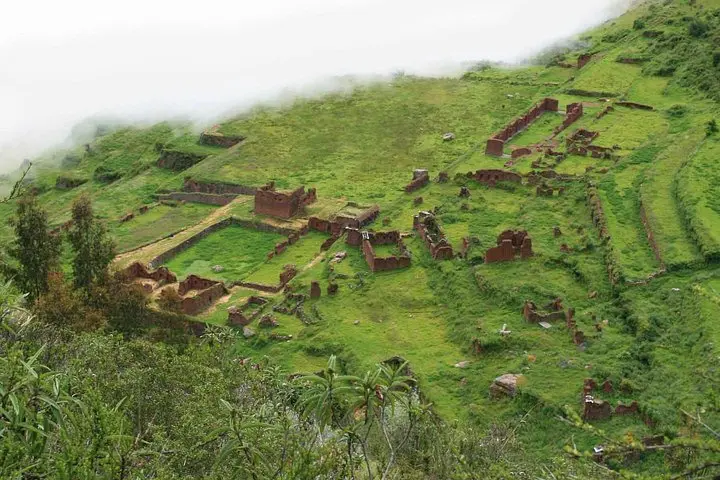
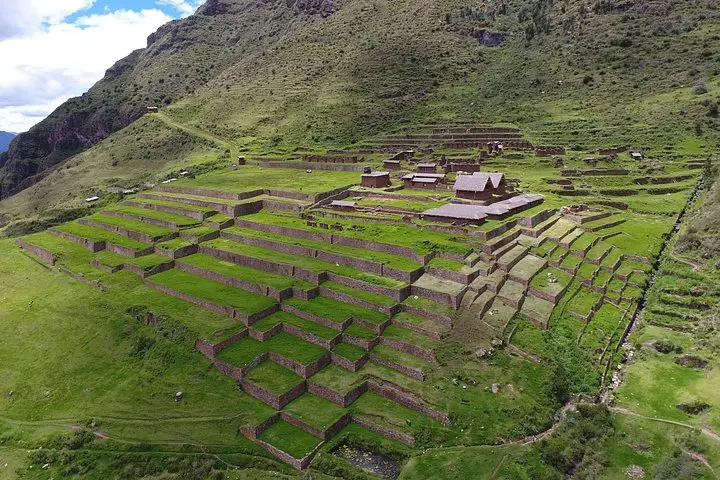
Huchuy Qosqo, “Small Cusco,” is an intimate Inca complex: kallanka halls, two-story buildings and agricultural terraces that demonstrate practical engineering more than ceremonial flourish. The route threads geological canyons and inca-built causeways, crossing ravines where rivers push the landscape into narrow gorges and sculpt the stone.
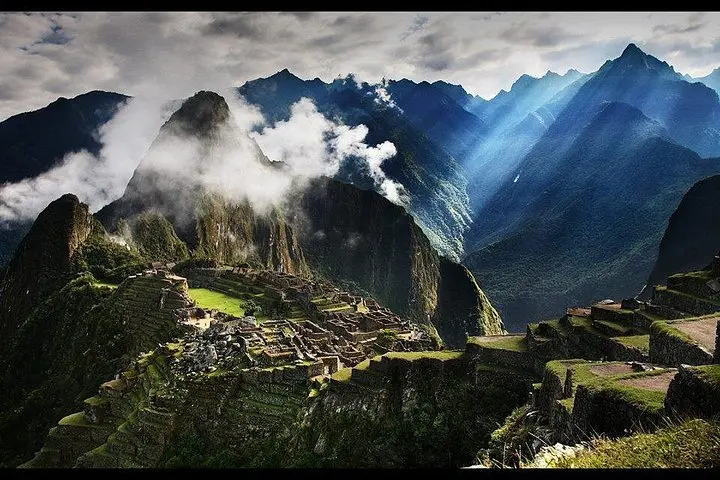
Culturally, the trek moves from Andean farming valleys — fields of corn, quinoa and tubers — into sacred sites where local guides often introduce traditional ceremonies and meditation opportunities. The second day shifts tempo: a scenic drive to Ollantaytambo, train to Aguas Calientes, and an early bus to Machu Picchu for a guided exploration of the citadel.
Practical guidance: acclimatize in Cusco for 24–48 hours, carry a compact daypack for summit layers and water, and expect rocky, sometimes muddy trails and significant elevation change. Bring your passport for park access and leave trekking poles at the entrance if you plan to enter Machu Picchu. This itinerary balances remote trekking with efficient transport links, delivering both solitude on the trail and the epic payoff of the ruins at Machu Picchu.
Policies vary by operator; many packages include Machu Picchu tickets and train/bus transfers—confirm on booking and bring your passport for entry.
The climb is steady with thinner air; expect slower pace, short rest stops, and the need for good pacing—moderate fitness and prior acclimatization help.
Walking poles are useful on the trek but must be stowed (rubber tips) or left outside when entering Machu Picchu — follow guide instructions.
A compact overnight kit (toiletries, warm layers, chargers, cash in soles) plus any medications; the tour includes one hostel night and meals as listed.
PERU TRAVEL COMPANY operates guided outdoor trips and adventures with an emphasis on safety, stewardship, and memorable experiences.
Dawn breaks over Cusco as a van snakes up to the village of Tauca and drops you at 3,750 m. You shoulder a 30–40 L pack and step onto a high-Andean track that climbs into puna grass and wind-swept ridgelines. The pass at roughly 4,050 m opens onto broad views of the Vilcabamba range — Veronica and Pitusiray carving the skyline — before a steady descent into the Huchuy Qosqo plateau where stone walls and terraces appear like a human-made horizon.
Dawn breaks over Cusco as a van snakes up to the village of Tauca and drops you at 3,750 m. You shoulder a 30–40 L pack and step onto a high-Andean track that climbs into puna grass and wind-swept ridgelines. The pass at roughly 4,050 m opens onto broad views of the Vilcabamba range — Veronica and Pitusiray carving the skyline — before a steady descent into the Huchuy Qosqo plateau where stone walls and terraces appear like a human-made horizon.
Huchuy Qosqo, “Small Cusco,” is an intimate Inca complex: kallanka halls, two-story buildings and agricultural terraces that demonstrate practical engineering more than ceremonial flourish. The route threads geological canyons and inca-built causeways, crossing ravines where rivers push the landscape into narrow gorges and sculpt the stone.
Culturally, the trek moves from Andean farming valleys — fields of corn, quinoa and tubers — into sacred sites where local guides often introduce traditional ceremonies and meditation opportunities. The second day shifts tempo: a scenic drive to Ollantaytambo, train to Aguas Calientes, and an early bus to Machu Picchu for a guided exploration of the citadel.
Practical guidance: acclimatize in Cusco for 24–48 hours, carry a compact daypack for summit layers and water, and expect rocky, sometimes muddy trails and significant elevation change. Bring your passport for park access and leave trekking poles at the entrance if you plan to enter Machu Picchu. This itinerary balances remote trekking with efficient transport links, delivering both solitude on the trail and the epic payoff of the ruins at Machu Picchu.