THE ADVENTURE COLLECTIVE® · Independent discovery and booking for outdoor travel

A full-day trek from Sapa threads through rice terraces, bamboo forests and minority villages. Meet Black Hmong and Giay communities, negotiate steep trails up to 1,800 m, and capture classic valley views on a strenuous but rewarding day hike.
A full-day trek from Sapa threads through rice terraces, bamboo forests and minority villages. Meet Black Hmong and Giay communities, negotiate steep trails up to 1,800 m, and capture classic valley views on a strenuous but rewarding day hike.
Mist hangs low over emerald steps as you set off from the road—rice terraces stepping down the mountain like carved shelves, bamboo forests whispering with each footfall. The trail drops and rises through switchbacks, past water buffalo grazing in terraces and wood-fired smoke drifting from stilt houses. By mid-morning you reach Lao Chai and meet the Black Hmong; further on, Ta Van introduces Giay traditions, embroidered textiles, and compact tea gardens.
Verified experiences and guided adventures in the surrounding area.
Operated by Vitawell Travel · Sapa, Lao Cai
Mist hangs low over emerald steps as you set off from the road—rice terraces stepping down the mountain like carved shelves, bamboo forests whispering with each footfall. The trail drops and rises through switchbacks, past water buffalo grazing in terraces and wood-fired smoke drifting from stilt houses. By mid-morning you reach Lao Chai and meet the Black Hmong; further on, Ta Van introduces Giay traditions, embroidered textiles, and compact tea gardens.
Sapa’s landscape is young, tectonically lifted limestone and shale sculpted by centuries of wet-season rains; the terraces are human geology, cut into the slopes by generations of upland farmers. The region’s culture is dominated by several hill tribes—Hmong, Giay and Red Dao—each with distinctive dress and farming methods. French colonial history left a cooler hill-station imprint and some stone villas, but the daily rhythms remain agricultural: planting, tending, harvesting.
Expect steep dirt paths and paved village lanes, 1,200–1,800 m elevation with intermittent steep climbs. Trails can be muddy after rain and narrow where terraces edge the path; comfortable, broken-step pacing is common. Practical guidance: start early to avoid midday fog, carry water and sun protection, and wear footwear with good tread. Bring small cash for village purchases and ask before photographing people.
A day trek here is as much cultural exchange as exercise—hands-on glimpses of terrace agriculture, intimate village visits, and expansive valley views. Leave no trace, honor village customs, and your day will balance memorable photos with authentic encounters and steady, satisfying mileage.
Moderate fitness is required; expect sustained walking with several steep ascents and descents over 7–8 hours at up to 1,800 m.
Yes—villages welcome visitors but follow guide instructions, ask before photographing, and avoid entering homes without invitation.
A mix of dirt trails, paved village lanes and stepped terraces; trails can be muddy and narrow after rain.
Lunch is included on this tour; carry snacks and small change for souvenirs or extra refreshments.
Vitawell Travel operates guided outdoor trips and adventures with an emphasis on safety, stewardship, and memorable experiences.
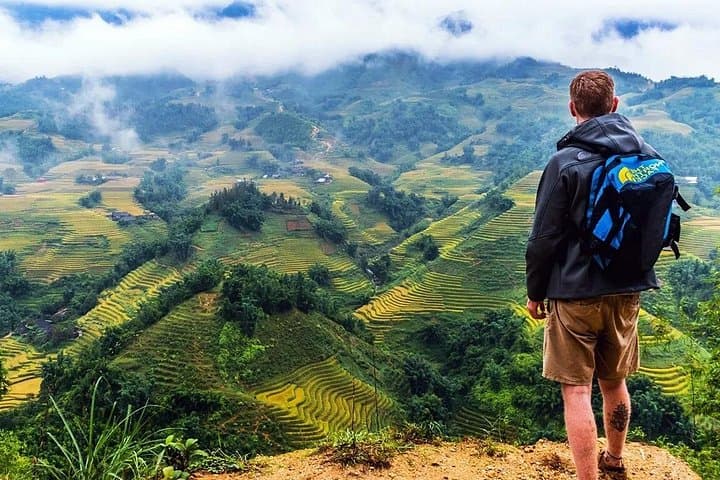


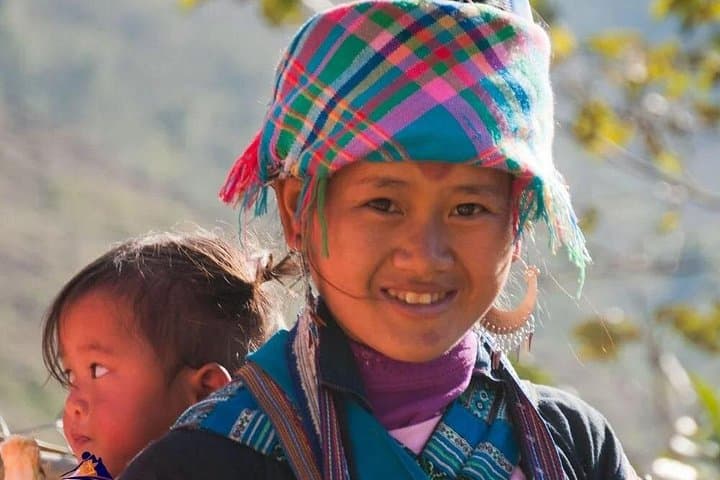
Mist hangs low over emerald steps as you set off from the road—rice terraces stepping down the mountain like carved shelves, bamboo forests whispering with each footfall. The trail drops and rises through switchbacks, past water buffalo grazing in terraces and wood-fired smoke drifting from stilt houses. By mid-morning you reach Lao Chai and meet the Black Hmong; further on, Ta Van introduces Giay traditions, embroidered textiles, and compact tea gardens.
Mist hangs low over emerald steps as you set off from the road—rice terraces stepping down the mountain like carved shelves, bamboo forests whispering with each footfall. The trail drops and rises through switchbacks, past water buffalo grazing in terraces and wood-fired smoke drifting from stilt houses. By mid-morning you reach Lao Chai and meet the Black Hmong; further on, Ta Van introduces Giay traditions, embroidered textiles, and compact tea gardens.
Sapa’s landscape is young, tectonically lifted limestone and shale sculpted by centuries of wet-season rains; the terraces are human geology, cut into the slopes by generations of upland farmers. The region’s culture is dominated by several hill tribes—Hmong, Giay and Red Dao—each with distinctive dress and farming methods. French colonial history left a cooler hill-station imprint and some stone villas, but the daily rhythms remain agricultural: planting, tending, harvesting.
Expect steep dirt paths and paved village lanes, 1,200–1,800 m elevation with intermittent steep climbs. Trails can be muddy after rain and narrow where terraces edge the path; comfortable, broken-step pacing is common. Practical guidance: start early to avoid midday fog, carry water and sun protection, and wear footwear with good tread. Bring small cash for village purchases and ask before photographing people.
A day trek here is as much cultural exchange as exercise—hands-on glimpses of terrace agriculture, intimate village visits, and expansive valley views. Leave no trace, honor village customs, and your day will balance memorable photos with authentic encounters and steady, satisfying mileage.