THE ADVENTURE COLLECTIVE® · Independent discovery and booking for outdoor travel

Step beyond the gates of New Orleans’ oldest municipal cemetery with a guided walk through raised tombs, colonial-era funerary art, and the storied resting place of Marie Laveau. Learn history, local customs, and practical tips for visiting this fragile cultural site.
Step beyond the gates of New Orleans’ oldest municipal cemetery with a guided walk through raised tombs, colonial-era funerary art, and the storied resting place of Marie Laveau. Learn history, local customs, and practical tips for visiting this fragile cultural site.
A narrow iron gate opens onto a grid of pale stone and shadow; sunlight cuts across raised tombs and Spanish moss sways from live oaks as the guide leads a single-file procession between vaults. The city’s pulse — distant streetcars, a hint of brass — frames the quiet cadence of footsteps inside St. Louis Cemetery No. 1.
Verified experiences and guided adventures in the surrounding area.
Operated by Basin St. Station · New Orleans, Louisiana
A narrow iron gate opens onto a grid of pale stone and shadow; sunlight cuts across raised tombs and Spanish moss sways from live oaks as the guide leads a single-file procession between vaults. The city’s pulse — distant streetcars, a hint of brass — frames the quiet cadence of footsteps inside St. Louis Cemetery No. 1.
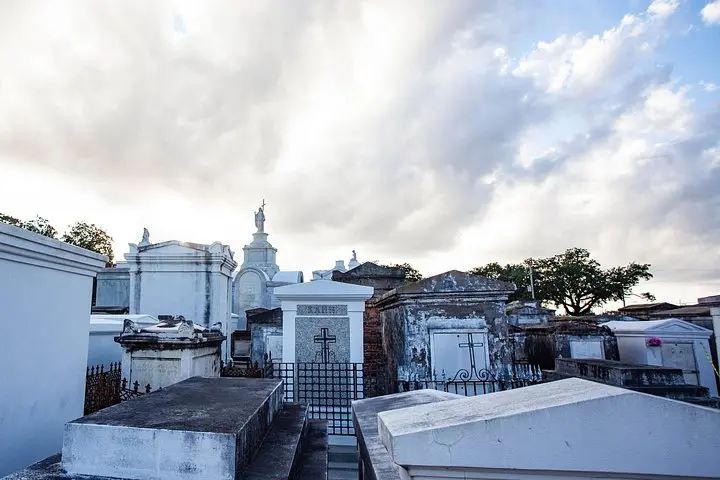
Founded in the late 18th century, this is New Orleans’ oldest municipal cemetery, its above-ground vaults born of a high water table and a pragmatic approach to burial. Here lie civic leaders, performers and the contested grave of Marie Laveau, New Orleans’ famed Voodoo practitioner. The layout reflects colonial-era planning and the creole traditions that shaped the city’s approach to death and remembrance.
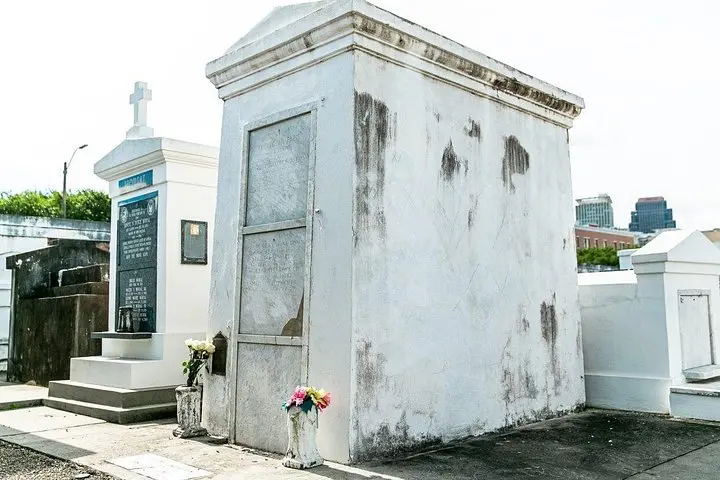
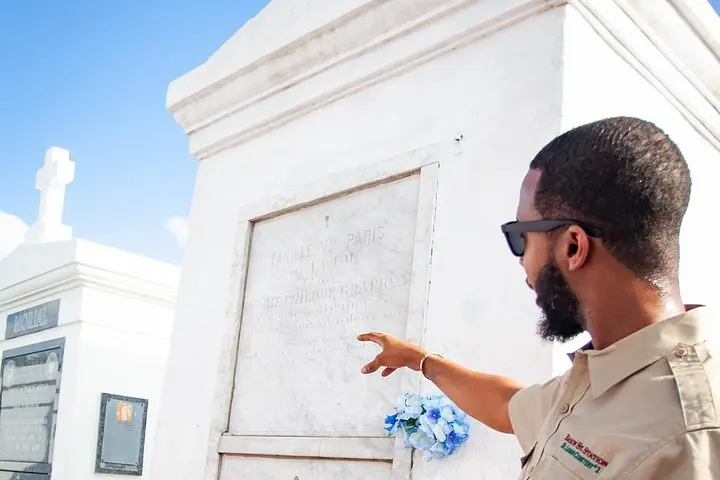
Visitors encounter masonry styles from simple brick graves to elaborate family tombs, inscriptions that map migration and epidemics, and layered stories of race, religion and resilience. The cemetery’s stonework is geology made social — local brick, shell mortar and lime mortared vaults weathered by humidity and salt air.
Practicalities shape the visit: tours start at Basin Street Station; expect about 55 minutes of mostly level walking on narrow paths between tombs. Photography is allowed but guided access helps protect fragile structures and cultural sites. Respect cemetery rules, keep to paths, and pack water during summer. Morning tours avoid heat and crowds; winter brings softer light for photography. The official guided format ensures a contextual, historically grounded visit rather than a self-guided stroll, and supports preservation of this fragile, urban necropolis.
Yes — this is an official guided tour with a set meeting time; purchase and claim your ticket early at Basin Street Station.
Photography is generally permitted, but follow the guide’s directions and avoid touching or climbing on tombs.
The tour notes wheelchair accessibility for the gathering point and some routes, but pathways between tombs can be narrow; contact the operator for specific needs.
Meet inside Basin Street Station; arrive 10–15 minutes before departure to collect tickets and tour stickers.
Basin St. Station operates guided outdoor trips and adventures with an emphasis on safety, stewardship, and memorable experiences.
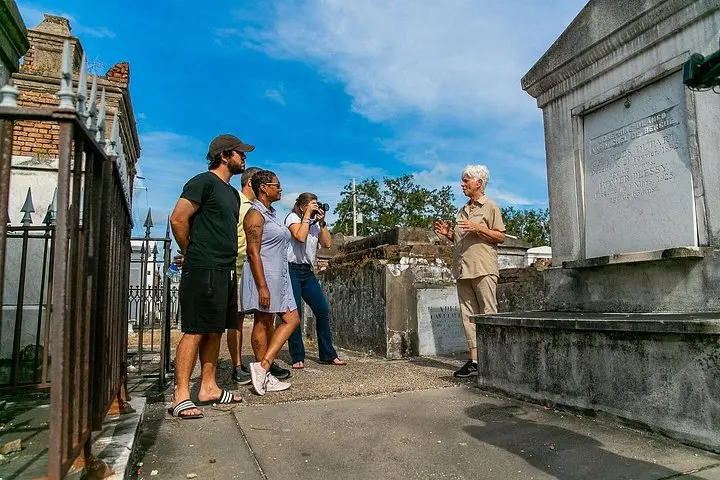
A narrow iron gate opens onto a grid of pale stone and shadow; sunlight cuts across raised tombs and Spanish moss sways from live oaks as the guide leads a single-file procession between vaults. The city’s pulse — distant streetcars, a hint of brass — frames the quiet cadence of footsteps inside St. Louis Cemetery No. 1.
A narrow iron gate opens onto a grid of pale stone and shadow; sunlight cuts across raised tombs and Spanish moss sways from live oaks as the guide leads a single-file procession between vaults. The city’s pulse — distant streetcars, a hint of brass — frames the quiet cadence of footsteps inside St. Louis Cemetery No. 1.
Founded in the late 18th century, this is New Orleans’ oldest municipal cemetery, its above-ground vaults born of a high water table and a pragmatic approach to burial. Here lie civic leaders, performers and the contested grave of Marie Laveau, New Orleans’ famed Voodoo practitioner. The layout reflects colonial-era planning and the creole traditions that shaped the city’s approach to death and remembrance.
Visitors encounter masonry styles from simple brick graves to elaborate family tombs, inscriptions that map migration and epidemics, and layered stories of race, religion and resilience. The cemetery’s stonework is geology made social — local brick, shell mortar and lime mortared vaults weathered by humidity and salt air.
Practicalities shape the visit: tours start at Basin Street Station; expect about 55 minutes of mostly level walking on narrow paths between tombs. Photography is allowed but guided access helps protect fragile structures and cultural sites. Respect cemetery rules, keep to paths, and pack water during summer. Morning tours avoid heat and crowds; winter brings softer light for photography. The official guided format ensures a contextual, historically grounded visit rather than a self-guided stroll, and supports preservation of this fragile, urban necropolis.