THE ADVENTURE COLLECTIVE® · Independent discovery and booking for outdoor travel

Explore Ohrid’s oldest quarter on foot, then switch to apron and rolling pin for a hands-on komat cooking lesson at a nearby farmhouse. This half-day pairing combines historic sites, artisan demos and rural Macedonian food traditions.
Explore Ohrid’s oldest quarter on foot, then switch to apron and rolling pin for a hands-on komat cooking lesson at a nearby farmhouse. This half-day pairing combines historic sites, artisan demos and rural Macedonian food traditions.
The morning begins on the stone main square of Ohrid, the lake glittering like a low-slung horizon beyond the roofs. Guides lead a compact group through narrow lanes where church bells cut the air and the crumbling walls of Samuel’s Fortress keep a quiet watch. The route moves from artisan demonstrations of filigree and paper-making to the cool, frescoed interior of St. Sophia, each stop giving a tactile glimpse into centuries of local craft and faith.
Verified experiences and guided adventures in the surrounding area.
Operated by Ohrid cooking classes · Ohrid, Ohrid Municipality
The morning begins on the stone main square of Ohrid, the lake glittering like a low-slung horizon beyond the roofs. Guides lead a compact group through narrow lanes where church bells cut the air and the crumbling walls of Samuel’s Fortress keep a quiet watch. The route moves from artisan demonstrations of filigree and paper-making to the cool, frescoed interior of St. Sophia, each stop giving a tactile glimpse into centuries of local craft and faith.
Ohrid’s layers are visible in architecture and geology: limestone slopes tumble into Lake Ohrid, a glacial basin that has sheltered endemic species and human settlement for millennia. The ancient theatre and 19th-century Robev House speak to Roman, Byzantine and Ottoman chapters; guides typically thread these histories into easily digestible anecdotes.
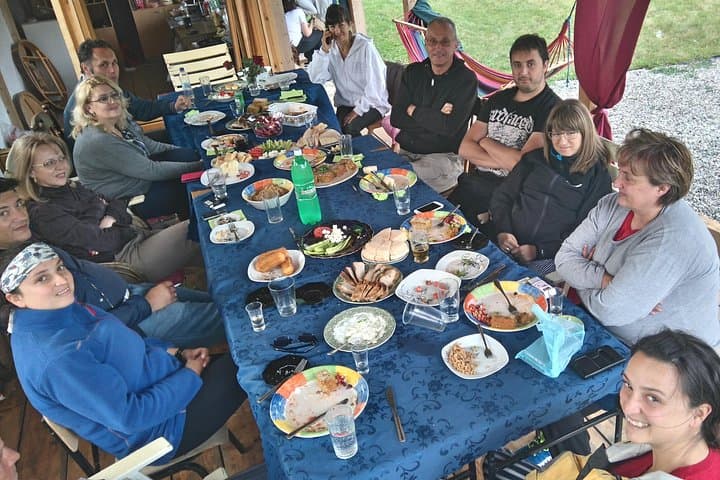
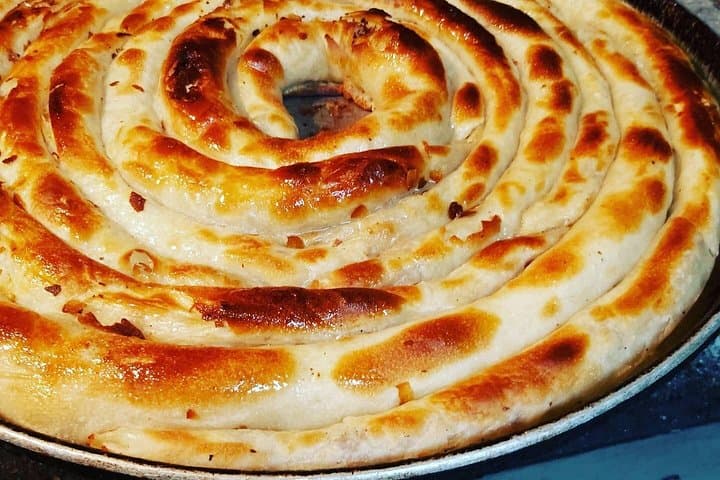
After the walk, a short drive takes you to a village farmhouse where the class shifts gears. Learners press dough for komat and make burek by hand, tasting warm bread with local wine while a host explains ingredient provenance and rural cooking customs.
Practical points: the tour covers uneven cobbles and several short stair sections—sturdy shoes and steady balance help. Expect about 5–6 hours total including transit and hands-on cooking. The experience suits travelers who want cultural depth without intense hiking; it’s part-feel for place, part-food workshop. Bring a refillable water bottle, modest layers for church interiors, and a small daypack for purchases from local artisans.
The full experience runs about 5–6 hours, including the walking tour, short transfer to the farmhouse (≈10 minutes), and the hands-on cooking session.
It’s moderate: expect uneven cobbles, short stair climbs, and several half-hour stops; a moderate fitness level is recommended.
Yes — all ingredients and drinks (local wine and coffee) are provided and the class is hands-on for preparing komat and burek.
Inform the operator when booking; while traditional recipes use wheat and dairy, hosts may be able to adapt dishes when warned in advance.
Ohrid cooking classes operates guided outdoor trips and adventures with an emphasis on safety, stewardship, and memorable experiences.
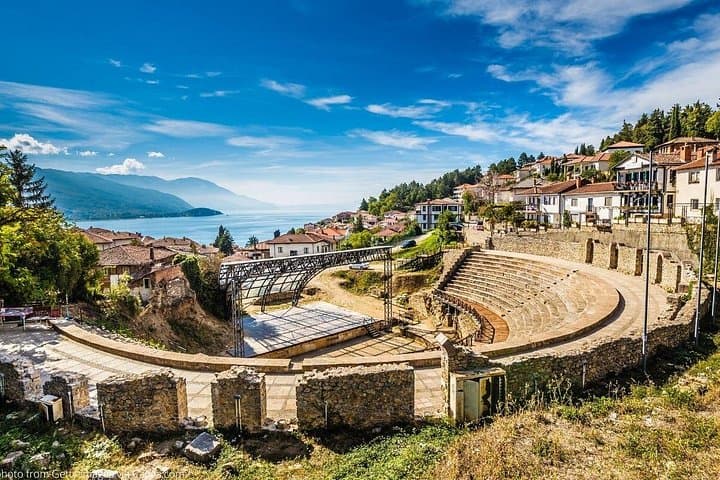
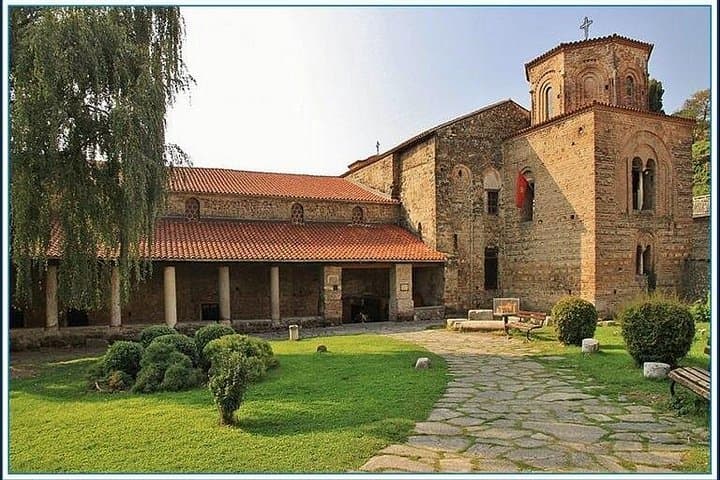
The morning begins on the stone main square of Ohrid, the lake glittering like a low-slung horizon beyond the roofs. Guides lead a compact group through narrow lanes where church bells cut the air and the crumbling walls of Samuel’s Fortress keep a quiet watch. The route moves from artisan demonstrations of filigree and paper-making to the cool, frescoed interior of St. Sophia, each stop giving a tactile glimpse into centuries of local craft and faith.
The morning begins on the stone main square of Ohrid, the lake glittering like a low-slung horizon beyond the roofs. Guides lead a compact group through narrow lanes where church bells cut the air and the crumbling walls of Samuel’s Fortress keep a quiet watch. The route moves from artisan demonstrations of filigree and paper-making to the cool, frescoed interior of St. Sophia, each stop giving a tactile glimpse into centuries of local craft and faith.
Ohrid’s layers are visible in architecture and geology: limestone slopes tumble into Lake Ohrid, a glacial basin that has sheltered endemic species and human settlement for millennia. The ancient theatre and 19th-century Robev House speak to Roman, Byzantine and Ottoman chapters; guides typically thread these histories into easily digestible anecdotes.
After the walk, a short drive takes you to a village farmhouse where the class shifts gears. Learners press dough for komat and make burek by hand, tasting warm bread with local wine while a host explains ingredient provenance and rural cooking customs.
Practical points: the tour covers uneven cobbles and several short stair sections—sturdy shoes and steady balance help. Expect about 5–6 hours total including transit and hands-on cooking. The experience suits travelers who want cultural depth without intense hiking; it’s part-feel for place, part-food workshop. Bring a refillable water bottle, modest layers for church interiors, and a small daypack for purchases from local artisans.