THE ADVENTURE COLLECTIVE® · Independent discovery and booking for outdoor travel

Cross a national border in a single day and follow centuries of history along the edge of Europe’s ancient Lake Ohrid. This private sightseeing tour from Tirana pairs ruined theatres and hilltop fortresses with a lively riverside town—ideal for travelers who want culture, clear water, and manageable walking.
Cross a national border in a single day and follow centuries of history along the edge of Europe’s ancient Lake Ohrid. This private sightseeing tour from Tirana pairs ruined theatres and hilltop fortresses with a lively riverside town—ideal for travelers who want culture, clear water, and manageable walking.
You step off the air-conditioned vehicle and the lake takes the lead: glassy water pushing light toward the stone streets, while gulls quarrel above the boardwalk. The Church of Saints Clement and Panteleimon sits on a low promontory, its stones facing out over water that has been holding stories for millennia.
Verified experiences and guided adventures in the surrounding area.
Operated by Passion Travel &Tours · Ohrid, Ohrid Municipality
You step off the air-conditioned vehicle and the lake takes the lead: glassy water pushing light toward the stone streets, while gulls quarrel above the boardwalk. The Church of Saints Clement and Panteleimon sits on a low promontory, its stones facing out over water that has been holding stories for millennia.
This day tour threads cultural layers: early Christian churches (Plaošnik and St. Sophia), an intact Roman-era theatre, and Samuel’s Fortress—a medieval stronghold reworked over centuries to watch the lake. Geologically, Lake Ohrid is one of Europe’s oldest and deepest freshwater basins; its clear depth explains the unusual endemic species and the way light pools against cliffs. Culturally, Ohrid’s old bazaar, cobbled lanes and Byzantine frescoes reveal a crossroad between Slavic, Ottoman, and Orthodox influences.
Move from ruins to riverside: Struga’s river mouth is a quieter counterpoint, cafés spilling onto the banks where locals fish and students stroll. The boardwalk linking both towns offers coffee, souvenir stalls and broad views—ideal for pacing the day.
Practical guidance: expect 6–8 hours including driving from Tirana; bring a passport for border crossings and allow time for immigration. Wear sturdy walking shoes for uneven stone and short stair climbs; layers are useful—winds off the lake can shift quickly. Carry water and a small snack; sun protection is essential in summer. If you want interior access to churches or the theatre, check opening hours and modest dress requirements ahead of time. This is a moderate, culturally rich outing that rewards steady pacing and curiosity.
You need a valid passport for the border crossing into North Macedonia; visa requirements depend on your nationality—check your government’s travel advice before booking.
Some parts of the boardwalk and lakeside are stroller- and partial-wheelchair-accessible, but historic sites and fortress areas have uneven steps and limited access.
This tour’s listed inclusions note transportation and a guide; admissions are often not included—confirm with the operator prior to departure.
Late spring and early fall offer mild temperatures, fewer crowds, and stable conditions for walking and photography.
Passion Travel &Tours operates guided outdoor trips and adventures with an emphasis on safety, stewardship, and memorable experiences.
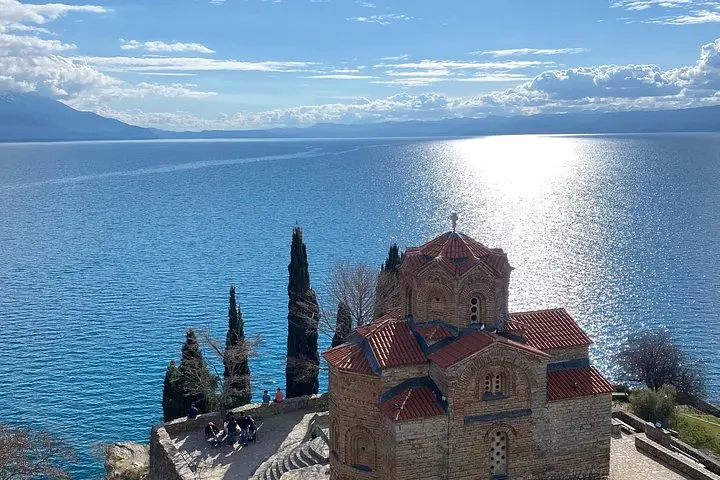
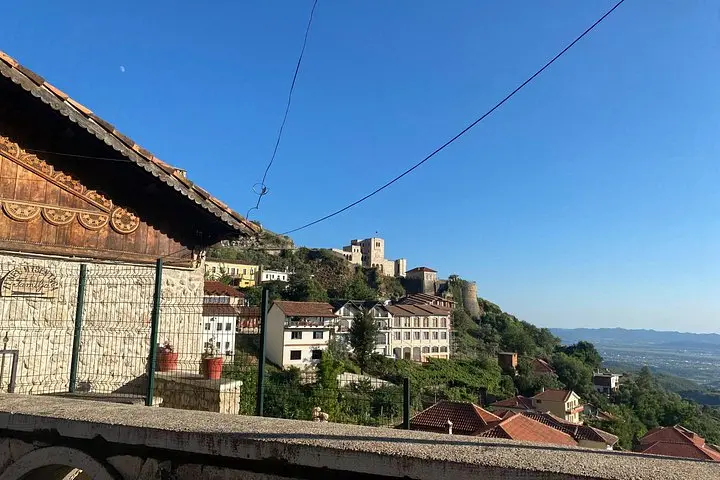
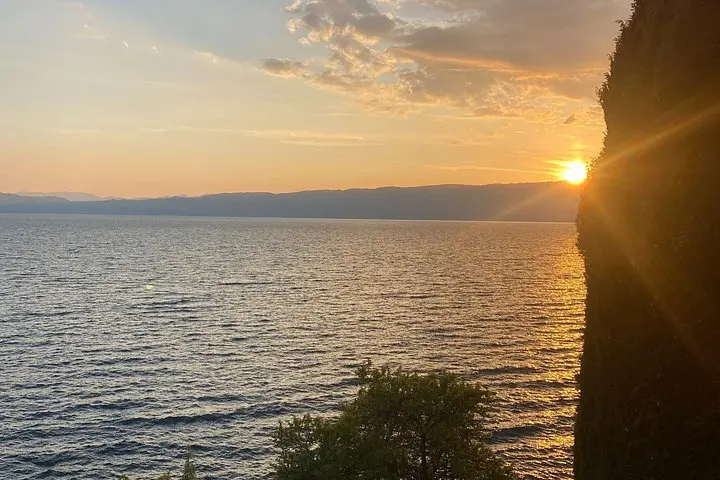
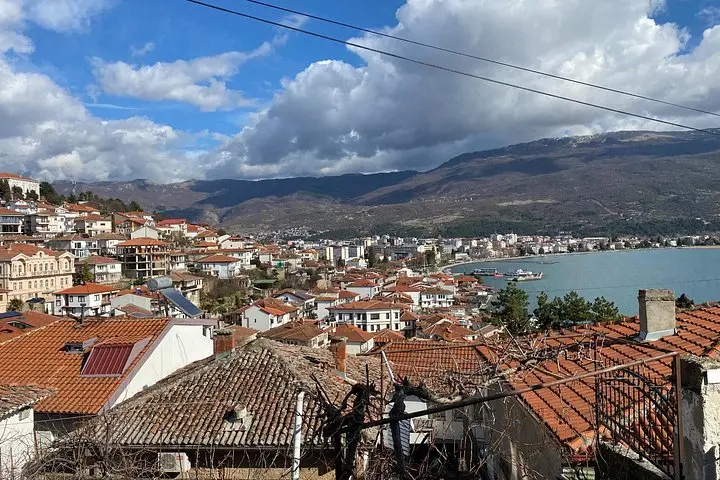
You step off the air-conditioned vehicle and the lake takes the lead: glassy water pushing light toward the stone streets, while gulls quarrel above the boardwalk. The Church of Saints Clement and Panteleimon sits on a low promontory, its stones facing out over water that has been holding stories for millennia.
You step off the air-conditioned vehicle and the lake takes the lead: glassy water pushing light toward the stone streets, while gulls quarrel above the boardwalk. The Church of Saints Clement and Panteleimon sits on a low promontory, its stones facing out over water that has been holding stories for millennia.
This day tour threads cultural layers: early Christian churches (Plaošnik and St. Sophia), an intact Roman-era theatre, and Samuel’s Fortress—a medieval stronghold reworked over centuries to watch the lake. Geologically, Lake Ohrid is one of Europe’s oldest and deepest freshwater basins; its clear depth explains the unusual endemic species and the way light pools against cliffs. Culturally, Ohrid’s old bazaar, cobbled lanes and Byzantine frescoes reveal a crossroad between Slavic, Ottoman, and Orthodox influences.
Move from ruins to riverside: Struga’s river mouth is a quieter counterpoint, cafés spilling onto the banks where locals fish and students stroll. The boardwalk linking both towns offers coffee, souvenir stalls and broad views—ideal for pacing the day.
Practical guidance: expect 6–8 hours including driving from Tirana; bring a passport for border crossings and allow time for immigration. Wear sturdy walking shoes for uneven stone and short stair climbs; layers are useful—winds off the lake can shift quickly. Carry water and a small snack; sun protection is essential in summer. If you want interior access to churches or the theatre, check opening hours and modest dress requirements ahead of time. This is a moderate, culturally rich outing that rewards steady pacing and curiosity.