THE ADVENTURE COLLECTIVE® · Independent discovery and booking for outdoor travel

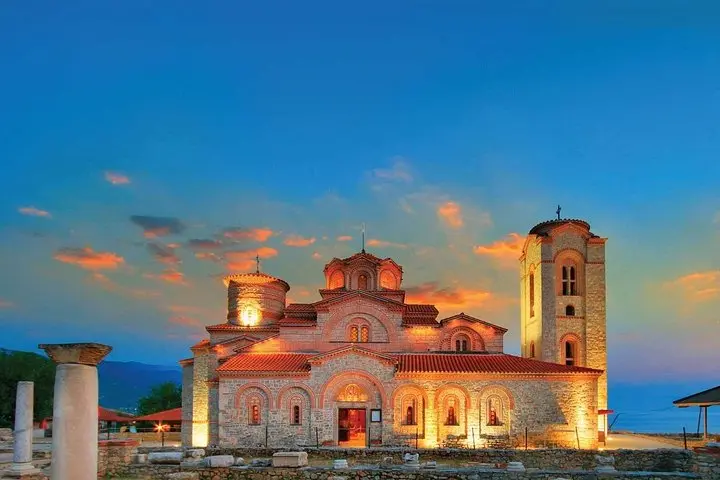
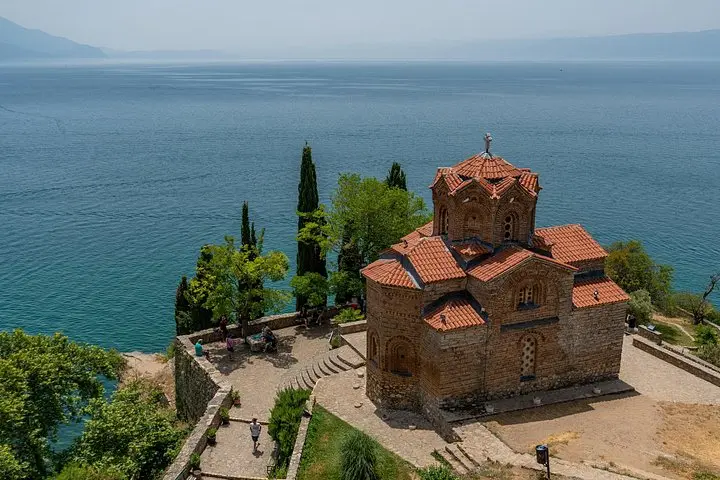
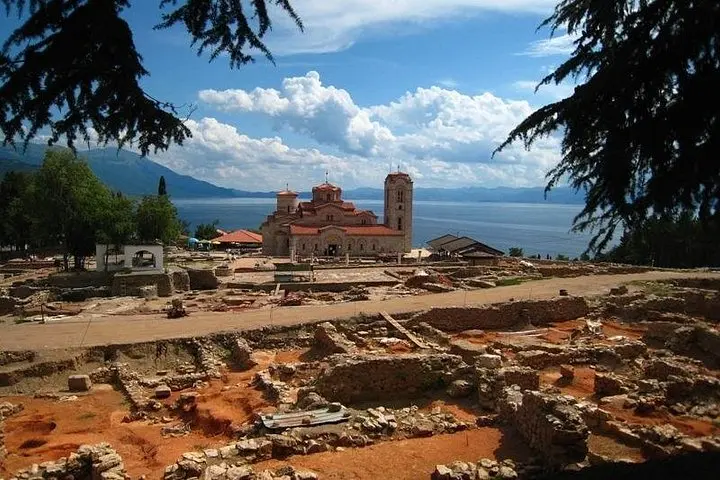
Walk through 2,000 years of history along the shores of Europe’s ancient Lake Ohrid. This 2–3 hour guided tour visits St. Kliment, St. Sofija, the ancient theater, Plaosnik and the iconic St. John Kaneo cliff church.
Walk through 2,000 years of history along the shores of Europe’s ancient Lake Ohrid. This 2–3 hour guided tour visits St. Kliment, St. Sofija, the ancient theater, Plaosnik and the iconic St. John Kaneo cliff church.
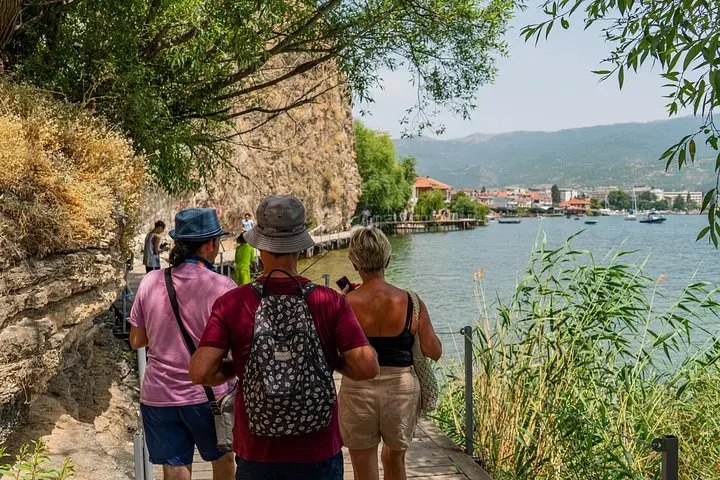
You arrive on a sun-pricked promenade where the lake pushes a cool breath up against cobbled streets; gulls wheel and the town’s layered roofs step down to the water. A local guide meets you near the statue of St. Kliment and the tour moves through narrow alleys toward St. Sofija, the Roman-era amphitheater and the cliff-top church of St. John Kaneo — each stop a sentence in Ohrid’s long story.
Verified experiences and guided adventures in the surrounding area.
Operated by KTM Voyage · Ohrid, Southwestern
You arrive on a sun-pricked promenade where the lake pushes a cool breath up against cobbled streets; gulls wheel and the town’s layered roofs step down to the water. A local guide meets you near the statue of St. Kliment and the tour moves through narrow alleys toward St. Sofija, the Roman-era amphitheater and the cliff-top church of St. John Kaneo — each stop a sentence in Ohrid’s long story.
Ohrid is one of Europe’s oldest continuous settlements. Its shoreline is carved into terraces of limestone and dolomite; the lake itself is a geological relic, among the oldest and deepest in Europe, which helped preserve ruins from Antiquity through Byzantine and Ottoman periods. Cultural threads here are tangible: Plaosnik’s mosaics, the Robevci family house from the Ottoman era, and medieval churches that trace the spread of Christianity in the Balkans.
Expect a mix of gentle walking, short stair climbs and many photo stops. The guide will point out details — Cyrillic origins linked to St. Kliment, the theater’s Roman acoustics, and vantage points where local couples still pose at sunset.
Practical guidance: the tour runs about 2–3 hours and suits most fitness levels; wear stable shoes for cobbles, bring water and sun protection in summer and a light layer for lakeside wind. Options at the end typically include a paid boat return or continuing independently through the old city. Respect active religious sites, and leave time to sip coffee on the boulevard before you go.
The guided tour typically lasts 2–3 hours, covering central sights from St. Kliment to St. John Kaneo.
Most exterior visits are included; individual museum or church entrance fees may not be covered—confirm with the operator.
Yes—there’s an optional paid boat return from the waterfront, or you can walk back with the guide or continue independently.
Some parts of the old town have cobbles and steps; strollers are possible in places but full wheelchair access is limited.
KTM Voyage operates guided outdoor trips and adventures with an emphasis on safety, stewardship, and memorable experiences.
You arrive on a sun-pricked promenade where the lake pushes a cool breath up against cobbled streets; gulls wheel and the town’s layered roofs step down to the water. A local guide meets you near the statue of St. Kliment and the tour moves through narrow alleys toward St. Sofija, the Roman-era amphitheater and the cliff-top church of St. John Kaneo — each stop a sentence in Ohrid’s long story.
You arrive on a sun-pricked promenade where the lake pushes a cool breath up against cobbled streets; gulls wheel and the town’s layered roofs step down to the water. A local guide meets you near the statue of St. Kliment and the tour moves through narrow alleys toward St. Sofija, the Roman-era amphitheater and the cliff-top church of St. John Kaneo — each stop a sentence in Ohrid’s long story.
Ohrid is one of Europe’s oldest continuous settlements. Its shoreline is carved into terraces of limestone and dolomite; the lake itself is a geological relic, among the oldest and deepest in Europe, which helped preserve ruins from Antiquity through Byzantine and Ottoman periods. Cultural threads here are tangible: Plaosnik’s mosaics, the Robevci family house from the Ottoman era, and medieval churches that trace the spread of Christianity in the Balkans.
Expect a mix of gentle walking, short stair climbs and many photo stops. The guide will point out details — Cyrillic origins linked to St. Kliment, the theater’s Roman acoustics, and vantage points where local couples still pose at sunset.
Practical guidance: the tour runs about 2–3 hours and suits most fitness levels; wear stable shoes for cobbles, bring water and sun protection in summer and a light layer for lakeside wind. Options at the end typically include a paid boat return or continuing independently through the old city. Respect active religious sites, and leave time to sip coffee on the boulevard before you go.