THE ADVENTURE COLLECTIVE® · Independent discovery and booking for outdoor travel

Spend an intimate afternoon fishing with a local family on Ojika Island, then return to their home to learn to prepare your catch and share a home-cooked dinner. This private, four-hour experience combines hands-on fishing, local cooking lessons, and conversation around the table.
Spend an intimate afternoon fishing with a local family on Ojika Island, then return to their home to learn to prepare your catch and share a home-cooked dinner. This private, four-hour experience combines hands-on fishing, local cooking lessons, and conversation around the table.
The boat rocks gentle and steady as you push away from a rocky shore strewn with black basalt and seaweed. Salt spray and a cool wind carry the call of cormorants while a local otoosan slides a rod into your hands and points to a likely swell where mackerel or rockfish gather. You’re not a tourist on a separate itinerary here — you’re part of a short community ritual: catch, clean, cook, and sit at a low table to eat what you helped bring in.
Verified experiences and guided adventures in the surrounding area.
Operated by Ojika Island Tourism · Ojika, Nagasaki Prefecture
The boat rocks gentle and steady as you push away from a rocky shore strewn with black basalt and seaweed. Salt spray and a cool wind carry the call of cormorants while a local otoosan slides a rod into your hands and points to a likely swell where mackerel or rockfish gather. You’re not a tourist on a separate itinerary here — you’re part of a short community ritual: catch, clean, cook, and sit at a low table to eat what you helped bring in.
Ojika Island sits on the edge of the Amakusa–Goto archipelago, where volcanic geology shapes a saw-tooth coastline and narrow coves shelter traditional fishing hamlets. The island’s human history is tied to fishing, sea routes to Kyushu and Korea, and a cautious rebirth as a slow-travel destination where visitors are invited into family life rather than shown attractions.
Expect hands-on learning: basic rod-and-line techniques from your host, a short walk from the harbor to a tiled home, and a kitchen where okaasan demonstrates filleting and simple local preparations—grilling, soy-simmer, and miso-based flavors. Conversation is part of the meal; translation may be partial but stories and laughter cross the language gap.
Practical guidance: arrive with weather-appropriate layers and non-slip shoes, keep seasickness meds handy if you’re sensitive, and plan for a roughly four-hour private experience that’s physically easy but socially immersive. This is a cultural exchange as much as a day of fishing—leave room in your itinerary for quiet walks on coastal paths the next day.
No; the local host provides basic instruction and fishing rods are supplied, making the activity suitable for beginners.
The dinner centers on seafood you help catch; if you have dietary restrictions, notify the operator in advance and they will try to accommodate where possible.
This is a private experience tailored to your booking party; confirm guest limits when booking.
The tour may be rescheduled or canceled for safety if conditions are unsafe; check the cancellation policy and communicate with the operator in advance.
Ojika Island Tourism operates guided outdoor trips and adventures with an emphasis on safety, stewardship, and memorable experiences.
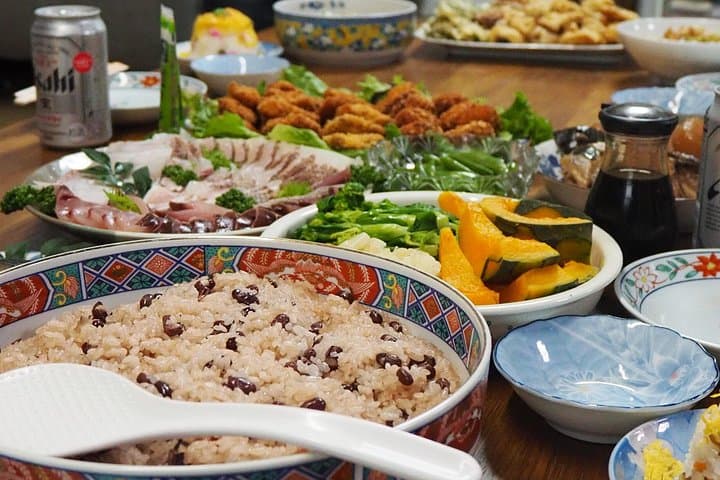

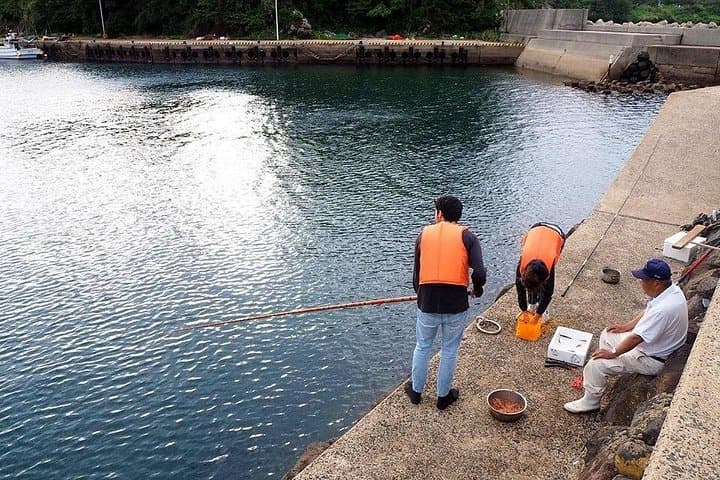
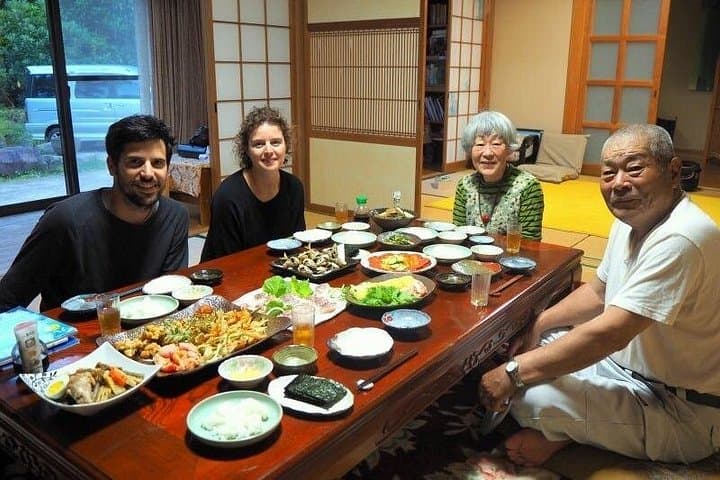
The boat rocks gentle and steady as you push away from a rocky shore strewn with black basalt and seaweed. Salt spray and a cool wind carry the call of cormorants while a local otoosan slides a rod into your hands and points to a likely swell where mackerel or rockfish gather. You’re not a tourist on a separate itinerary here — you’re part of a short community ritual: catch, clean, cook, and sit at a low table to eat what you helped bring in.
The boat rocks gentle and steady as you push away from a rocky shore strewn with black basalt and seaweed. Salt spray and a cool wind carry the call of cormorants while a local otoosan slides a rod into your hands and points to a likely swell where mackerel or rockfish gather. You’re not a tourist on a separate itinerary here — you’re part of a short community ritual: catch, clean, cook, and sit at a low table to eat what you helped bring in.
Ojika Island sits on the edge of the Amakusa–Goto archipelago, where volcanic geology shapes a saw-tooth coastline and narrow coves shelter traditional fishing hamlets. The island’s human history is tied to fishing, sea routes to Kyushu and Korea, and a cautious rebirth as a slow-travel destination where visitors are invited into family life rather than shown attractions.
Expect hands-on learning: basic rod-and-line techniques from your host, a short walk from the harbor to a tiled home, and a kitchen where okaasan demonstrates filleting and simple local preparations—grilling, soy-simmer, and miso-based flavors. Conversation is part of the meal; translation may be partial but stories and laughter cross the language gap.
Practical guidance: arrive with weather-appropriate layers and non-slip shoes, keep seasickness meds handy if you’re sensitive, and plan for a roughly four-hour private experience that’s physically easy but socially immersive. This is a cultural exchange as much as a day of fishing—leave room in your itinerary for quiet walks on coastal paths the next day.