THE ADVENTURE COLLECTIVE® · Independent discovery and booking for outdoor travel

Glide through papyrus channels in a traditional mokoro and walk island trails where wildlife edges close. This day tour from Maun pairs calm canoe travel with a guided bush walk for an intimate Okavango experience.
Glide through papyrus channels in a traditional mokoro and walk island trails where wildlife edges close. This day tour from Maun pairs calm canoe travel with a guided bush walk for an intimate Okavango experience.
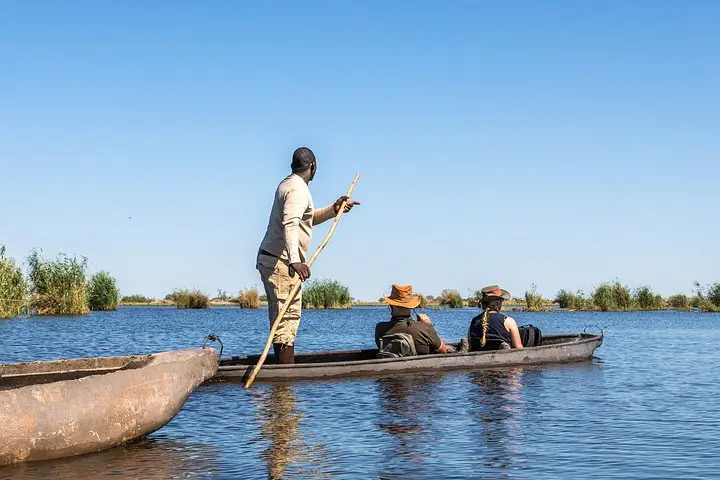
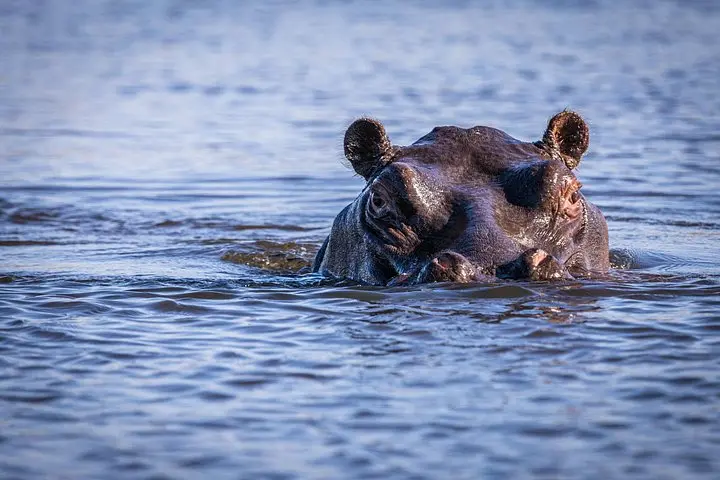
A low, wooden hull parts reed-choked water and the mokoro slips forward with a soft, patient rhythm. The poler stands at the stern, long pole in hand, reading currents like a local language; water lilies brush the gunwale and kingfishers flash against pale papyrus. You move slow enough to hear the delta—bird calls, the occasional snort on a distant channel—while the landscape rearranges itself in slow motion.
Verified experiences and guided adventures in the surrounding area.
Operated by Keya Botswana Tours · Maun, North-West District
A low, wooden hull parts reed-choked water and the mokoro slips forward with a soft, patient rhythm. The poler stands at the stern, long pole in hand, reading currents like a local language; water lilies brush the gunwale and kingfishers flash against pale papyrus. You move slow enough to hear the delta—bird calls, the occasional snort on a distant channel—while the landscape rearranges itself in slow motion.
The Okavango is an inland delta fed by Angolan rains that swell and slide across Kalahari sands each year, creating shifting islands and channels. People from Maun and nearby villages have guided mokoro for generations—skills passed hand-to-hand, pole-to-pole. Geology here is simple and dramatic: floodwater sculpting islands, peat and sand deposits, and a seasonal pulse that concentrates wildlife when the plains dry.
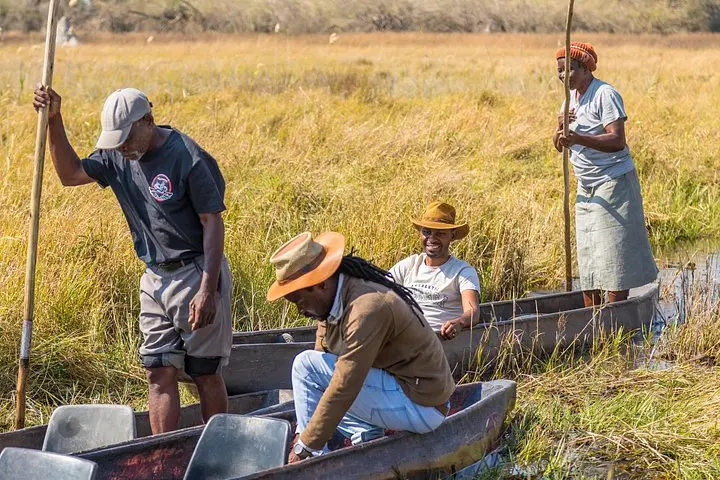
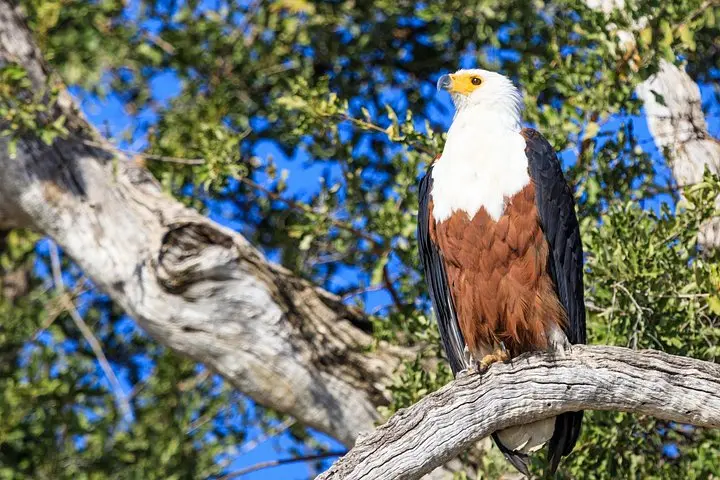
On this day tour expect a calm paddling section led by experienced polers, followed by a guided walking safari on an island. The walking is short and low-impact but can put you close to spoor, birds, and grazing herbivores; guides manage wildlife distance. Practicalities: sunscreen, a wide-brim hat, and binoculars improve the experience; waterproof bags protect gear. Respect guide instructions—mokoro are stable but not immune to tipping—and carry modest local cash for tips. The tour runs about eight hours including transfers from Maun, with bottled water and lunch provided. For anyone who wants nature unhurried and very close, this mokoro day is a precise, elemental way to meet the Okavango.
Yes; mokoro are stable and guides assist boarding. Life jackets may be available—check with the operator and follow guide instructions.
Children are generally permitted but policies vary; infants may need to sit on laps and guides assess safety—confirm age limits when booking.
Light, neutral-colored clothing, closed-toe shoes, and layers for morning coolness; long sleeves and insect repellent help reduce bites.
This tour is not recommended for pregnant travelers due to boat transfers and the potential for uneven ground on the walk; consult your doctor and the operator.
Keya Botswana Tours operates guided outdoor trips and adventures with an emphasis on safety, stewardship, and memorable experiences.
A low, wooden hull parts reed-choked water and the mokoro slips forward with a soft, patient rhythm. The poler stands at the stern, long pole in hand, reading currents like a local language; water lilies brush the gunwale and kingfishers flash against pale papyrus. You move slow enough to hear the delta—bird calls, the occasional snort on a distant channel—while the landscape rearranges itself in slow motion.
A low, wooden hull parts reed-choked water and the mokoro slips forward with a soft, patient rhythm. The poler stands at the stern, long pole in hand, reading currents like a local language; water lilies brush the gunwale and kingfishers flash against pale papyrus. You move slow enough to hear the delta—bird calls, the occasional snort on a distant channel—while the landscape rearranges itself in slow motion.
The Okavango is an inland delta fed by Angolan rains that swell and slide across Kalahari sands each year, creating shifting islands and channels. People from Maun and nearby villages have guided mokoro for generations—skills passed hand-to-hand, pole-to-pole. Geology here is simple and dramatic: floodwater sculpting islands, peat and sand deposits, and a seasonal pulse that concentrates wildlife when the plains dry.
On this day tour expect a calm paddling section led by experienced polers, followed by a guided walking safari on an island. The walking is short and low-impact but can put you close to spoor, birds, and grazing herbivores; guides manage wildlife distance. Practicalities: sunscreen, a wide-brim hat, and binoculars improve the experience; waterproof bags protect gear. Respect guide instructions—mokoro are stable but not immune to tipping—and carry modest local cash for tips. The tour runs about eight hours including transfers from Maun, with bottled water and lunch provided. For anyone who wants nature unhurried and very close, this mokoro day is a precise, elemental way to meet the Okavango.