THE ADVENTURE COLLECTIVE® · Independent discovery and booking for outdoor travel

Move from Maun into the flooded channels of the Okavango and the elephant-rich banks of Chobe on an eight-day wilderness circuit. Expect mokoro excursions, open-vehicle game drives, bush camps with bucket showers, and strong chances to see elephants, lions, and wild dogs.
Move from Maun into the flooded channels of the Okavango and the elephant-rich banks of Chobe on an eight-day wilderness circuit. Expect mokoro excursions, open-vehicle game drives, bush camps with bucket showers, and strong chances to see elephants, lions, and wild dogs.
You step from the vehicle into the thin, dry air of the Kalahari edge and the delta answers with a different voice — reed channels sigh, birds call sharply, and the river pulls gray elephants to the bank. Over eight days you'll move from Maun's dusty gateway into the flooded arteries of the Okavango, across Khwai and Moremi's mosaic of woodland and floodplain, then out to Savute marsh and the Chobe riverfront where elephants outnumber people.
Verified experiences and guided adventures in the surrounding area.
Operated by Sky Adventure Tours & Safaris · Maun, North-West District
You step from the vehicle into the thin, dry air of the Kalahari edge and the delta answers with a different voice — reed channels sigh, birds call sharply, and the river pulls gray elephants to the bank. Over eight days you'll move from Maun's dusty gateway into the flooded arteries of the Okavango, across Khwai and Moremi's mosaic of woodland and floodplain, then out to Savute marsh and the Chobe riverfront where elephants outnumber people.
This route threads geology, culture and predator country: the Okavango is an inland delta formed by seasonal floods that pour from the Angolan highlands and fan into a complex of channels and islands. Centuries-old San rock paintings linger in Savute and the Khwai area, reminders of human presence long before organized reserves. Local guides blend animal behaviour, flood-season timing, and cultural context to sharpen every sighting.
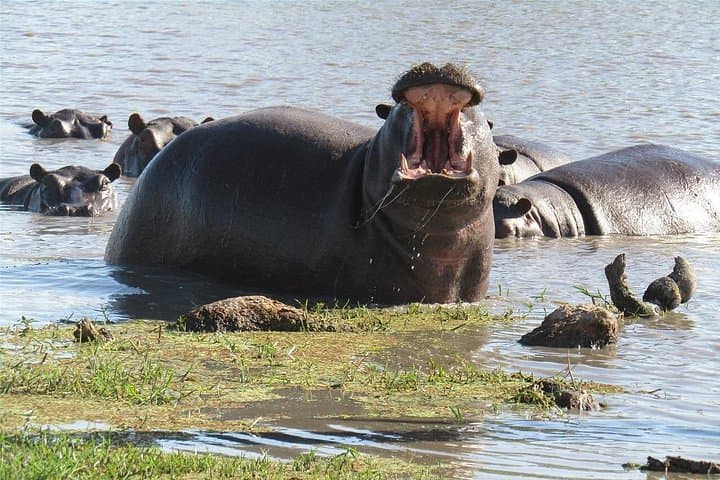
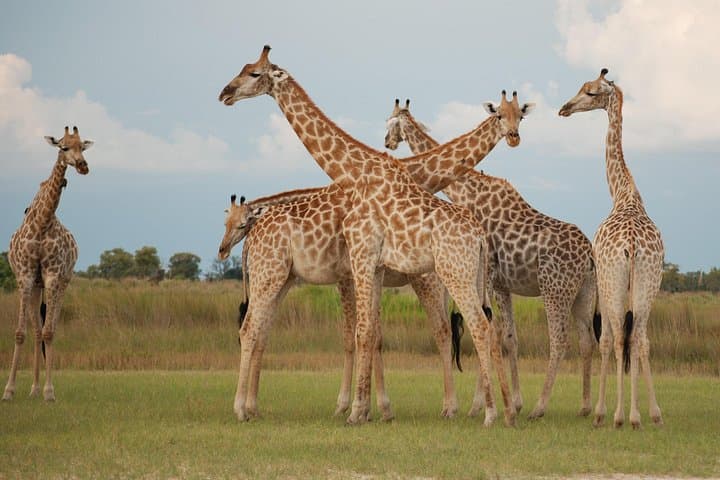
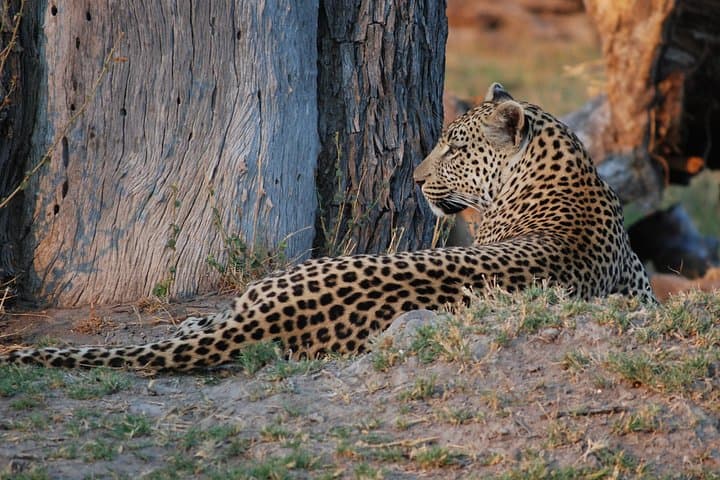
Expect mokoro paddles whispering through papyrus, open-vehicle game drives at dawn and dusk, bucket showers beside a cleared bush campsite, and a boat cruise on the Chobe where hippos grumble and elephants drink at sunset. Wildlife is the constant: elephants, lion, leopard, wild dog, and water birds dominate sighting lists.
Practical notes: camping is in cleared private sites with bedding provided; bring layered clothing for cool mornings, reliable binoculars, strong insect repellent, and photocopies of passports for park entry. The dry winter months (May–Oct) give the best visibility for game; the green summer brings dramatic birdlife and flowing channels. Hydrate, respect quiet while on mokoro, and follow guides’ instructions — they keep you close to the wild and out of harm’s way.
No — guides manage navigation, spotting and safety; basic mobility for getting in and out of vehicles and walking around camps is helpful.
Meals listed in the itinerary (breakfasts, lunches, dinners) and bottled water are included; alcoholic drinks are often provided at camp as noted.
Check routine vaccinations and consult a travel clinic about malaria prophylaxis for northern Botswana; bring a basic first-aid kit and any personal medications.
Yes — cleared bush camps use canvas tents with bedding; bucket or solar-heated showers and simple toilet facilities are provided at campsites.
Sky Adventure Tours & Safaris operates guided outdoor trips and adventures with an emphasis on safety, stewardship, and memorable experiences.

You step from the vehicle into the thin, dry air of the Kalahari edge and the delta answers with a different voice — reed channels sigh, birds call sharply, and the river pulls gray elephants to the bank. Over eight days you'll move from Maun's dusty gateway into the flooded arteries of the Okavango, across Khwai and Moremi's mosaic of woodland and floodplain, then out to Savute marsh and the Chobe riverfront where elephants outnumber people.
You step from the vehicle into the thin, dry air of the Kalahari edge and the delta answers with a different voice — reed channels sigh, birds call sharply, and the river pulls gray elephants to the bank. Over eight days you'll move from Maun's dusty gateway into the flooded arteries of the Okavango, across Khwai and Moremi's mosaic of woodland and floodplain, then out to Savute marsh and the Chobe riverfront where elephants outnumber people.
This route threads geology, culture and predator country: the Okavango is an inland delta formed by seasonal floods that pour from the Angolan highlands and fan into a complex of channels and islands. Centuries-old San rock paintings linger in Savute and the Khwai area, reminders of human presence long before organized reserves. Local guides blend animal behaviour, flood-season timing, and cultural context to sharpen every sighting.
Expect mokoro paddles whispering through papyrus, open-vehicle game drives at dawn and dusk, bucket showers beside a cleared bush campsite, and a boat cruise on the Chobe where hippos grumble and elephants drink at sunset. Wildlife is the constant: elephants, lion, leopard, wild dog, and water birds dominate sighting lists.
Practical notes: camping is in cleared private sites with bedding provided; bring layered clothing for cool mornings, reliable binoculars, strong insect repellent, and photocopies of passports for park entry. The dry winter months (May–Oct) give the best visibility for game; the green summer brings dramatic birdlife and flowing channels. Hydrate, respect quiet while on mokoro, and follow guides’ instructions — they keep you close to the wild and out of harm’s way.