THE ADVENTURE COLLECTIVE® · Independent discovery and booking for outdoor travel

Board a small dive boat from Motobu and make two guided dives at Minna, Sesoko or nearby Motobu reefs. Professional instructors, free photo/video and a focus on safe, beginner-friendly dives make this a compact introduction to Okinawa’s coral sea.
Board a small dive boat from Motobu and make two guided dives at Minna, Sesoko or nearby Motobu reefs. Professional instructors, free photo/video and a focus on safe, beginner-friendly dives make this a compact introduction to Okinawa’s coral sea.
The boat cuts through turquoise water before dawn, the hull throwing off a line of spray that dares you ashore of everyday life. In Motobu’s waters the sea pulls and pushes with a clear intent: to show coral gardens, caverns and the slow amble of green turtles as you slip into a world measured by breath and pressure.
Verified experiences and guided adventures in the surrounding area.
Operated by TEERA SCUBA VENTURES, OKINAWA · Motobu, Okinawa Prefecture
The boat cuts through turquoise water before dawn, the hull throwing off a line of spray that dares you ashore of everyday life. In Motobu’s waters the sea pulls and pushes with a clear intent: to show coral gardens, caverns and the slow amble of green turtles as you slip into a world measured by breath and pressure.
This stretch of northern Okinawa sits on the Ryukyu Arc—limestone and volcanic islands built by tectonic lift and coral growth. The reefs here feed local communities and reflect centuries of Ryukyuan fishing culture; modern dive operators balance tourism with traditions of sea stewardship. Expect fringing coral, shallow bommies, and occasional currents that funnel plankton and attract reef fish.
Practically: tours run about four hours and include two guided boat dives (typical bottom time 40–50 minutes each, sites chosen day-of for weather). Participants must be certified divers; instructors provide close supervision and free photo/video of your dives. Boats launch from Motobu area piers; seasickness medication, reef-safe sunscreen, and a snug mask are simple precautions. Entry is typically backroll or giant stride; expect ladders or assisted exits aboard.
Timing matters—morning trips often bring calmer seas and clearer visibility. Respect the reef: no touching, no chasing wildlife. If you’re new to boat diving, briefings cover signals, weights, and emergency procedures; instructors tailor support for beginners.
This is a hands-on, sensory adventure: salt stings, small fish inspecting your fins, and a guide’s torch revealing crevices that feel as alive as any forest floor.
Yes—this trip is for certified divers only; you must present a valid scuba certification and complete health and weight questions at check‑in.
Operators will cancel for unsafe sea conditions; bookings typically allow rescheduling or refunds per the provider’s policy when the operator cancels.
Yes—digital photos and video from the dive are provided at no extra cost and typically delivered after the trip.
Groups are kept small with experienced instructors; exact ratios vary but operators emphasize close supervision for beginners.
TEERA SCUBA VENTURES, OKINAWA operates guided outdoor trips and adventures with an emphasis on safety, stewardship, and memorable experiences.
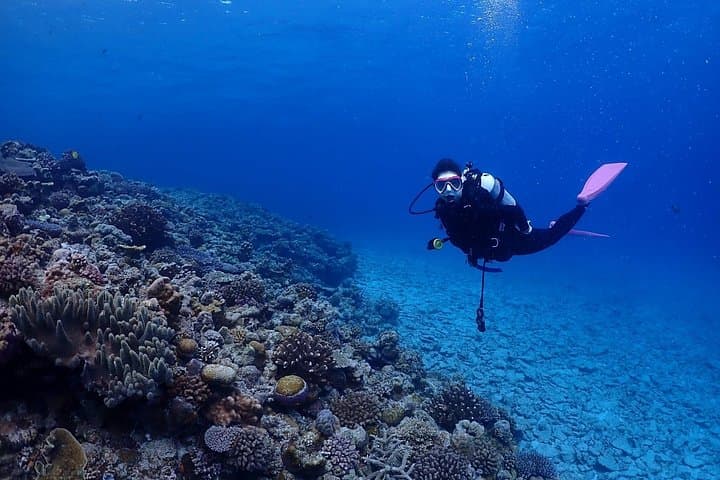


The boat cuts through turquoise water before dawn, the hull throwing off a line of spray that dares you ashore of everyday life. In Motobu’s waters the sea pulls and pushes with a clear intent: to show coral gardens, caverns and the slow amble of green turtles as you slip into a world measured by breath and pressure.
The boat cuts through turquoise water before dawn, the hull throwing off a line of spray that dares you ashore of everyday life. In Motobu’s waters the sea pulls and pushes with a clear intent: to show coral gardens, caverns and the slow amble of green turtles as you slip into a world measured by breath and pressure.
This stretch of northern Okinawa sits on the Ryukyu Arc—limestone and volcanic islands built by tectonic lift and coral growth. The reefs here feed local communities and reflect centuries of Ryukyuan fishing culture; modern dive operators balance tourism with traditions of sea stewardship. Expect fringing coral, shallow bommies, and occasional currents that funnel plankton and attract reef fish.
Practically: tours run about four hours and include two guided boat dives (typical bottom time 40–50 minutes each, sites chosen day-of for weather). Participants must be certified divers; instructors provide close supervision and free photo/video of your dives. Boats launch from Motobu area piers; seasickness medication, reef-safe sunscreen, and a snug mask are simple precautions. Entry is typically backroll or giant stride; expect ladders or assisted exits aboard.
Timing matters—morning trips often bring calmer seas and clearer visibility. Respect the reef: no touching, no chasing wildlife. If you’re new to boat diving, briefings cover signals, weights, and emergency procedures; instructors tailor support for beginners.
This is a hands-on, sensory adventure: salt stings, small fish inspecting your fins, and a guide’s torch revealing crevices that feel as alive as any forest floor.