THE ADVENTURE COLLECTIVE® · Independent discovery and booking for outdoor travel

Swap neon for pine-scented air on a full-day escape to Okutama. Explore Nippara Cave, circle Lake Okutama, ride a mountain monorail and finish beneath the 60m Hossawa Falls.
Swap neon for pine-scented air on a full-day escape to Okutama. Explore Nippara Cave, circle Lake Okutama, ride a mountain monorail and finish beneath the 60m Hossawa Falls.
You peel away from Tokyo's concrete hum and within an hour the purr of the city is a memory. Mountain air tugs at the windows as the road drops into Hatonosu Valley; the river ahead dares you to slow down and look. Nippara Cave yawns cool and dark, Lake Okutama mirrors the ridge lines, and Hossawa Falls throws itself over rock in four dramatic steps.
Verified experiences and guided adventures in the surrounding area.
Operated by Tokyo Okutama Tour · Okutama, Tokyo
You peel away from Tokyo's concrete hum and within an hour the purr of the city is a memory. Mountain air tugs at the windows as the road drops into Hatonosu Valley; the river ahead dares you to slow down and look. Nippara Cave yawns cool and dark, Lake Okutama mirrors the ridge lines, and Hossawa Falls throws itself over rock in four dramatic steps.
This corner of western Tokyo has a long human story: settlement patterns shaped by forestry and river transport, and a living craft culture around Hinohara's prized cypress. Geologically the area is a mix of limestone karst that carved the Nippara caverns and harder volcanic rock that forms the steep valley walls and the cataract that becomes Hossawa. Local culture folds simple mountain living, a kamameshi lunch tradition, and small shrines into daily life.
On a day tour you'll visit five to ten small sites: cave passages with stalactites, lakeside viewpoints, a hilltop picnic spot, a traditional house reached by a steep monorail, riverside walks past Kanoto Rocks, and the falls. Expect lots of short hikes, stairs, and uneven footing; much of the itinerary is roadside transfers with frequent stops.
Practical tips: wear sturdy shoes with good grip, carry layered clothing and a light rain shell, bring motion-sickness remedies if you're car-prone, and plan for a 10–14 hour day. Respect protected plants and wildlife—this is a designated natural monument area—and bring reusable water to minimize waste.
The Standard Plan does not include hotel pickup—select the correct option when booking if you need transfer; meeting location details are provided at confirmation.
Yes; the tour price covers facility entrance fees and a locally made kamameshi lunch box, plus expressway and car charges.
Infants must sit on an adult's lap; infant seats are available, but expect frequent getting in and out of the vehicle and some stair climbs.
The tour may be canceled for severe weather or natural disasters; full refunds are available if you cancel at least 24 hours before departure under standard policy.
Tokyo Okutama Tour operates guided outdoor trips and adventures with an emphasis on safety, stewardship, and memorable experiences.
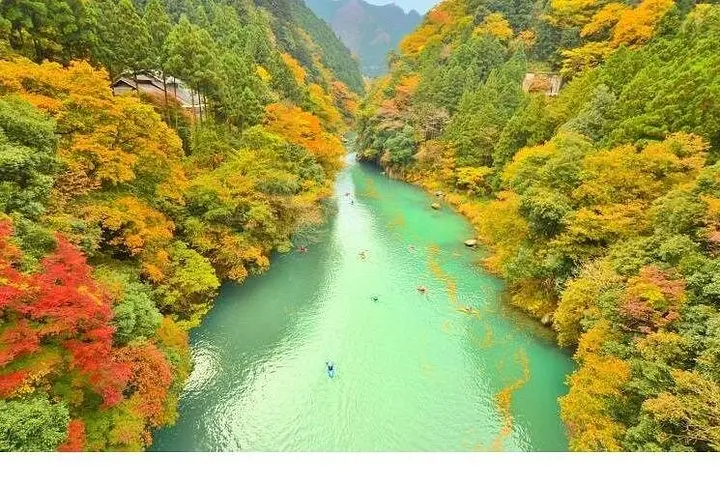
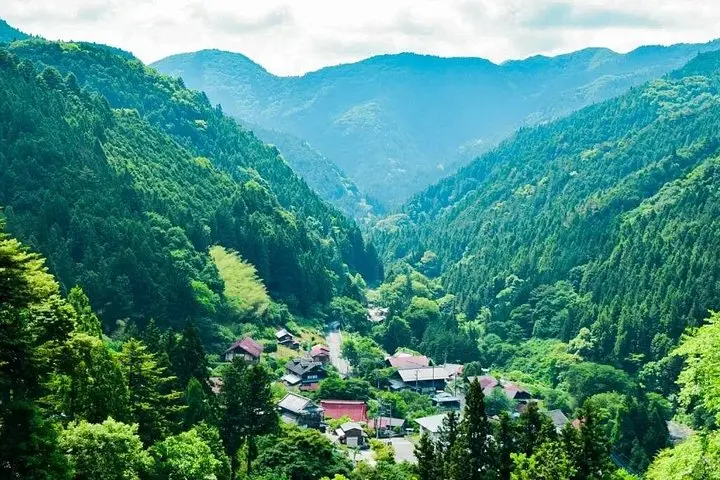
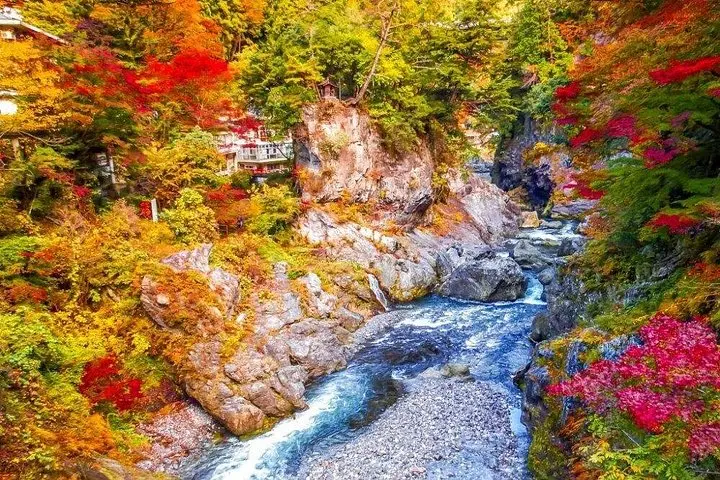
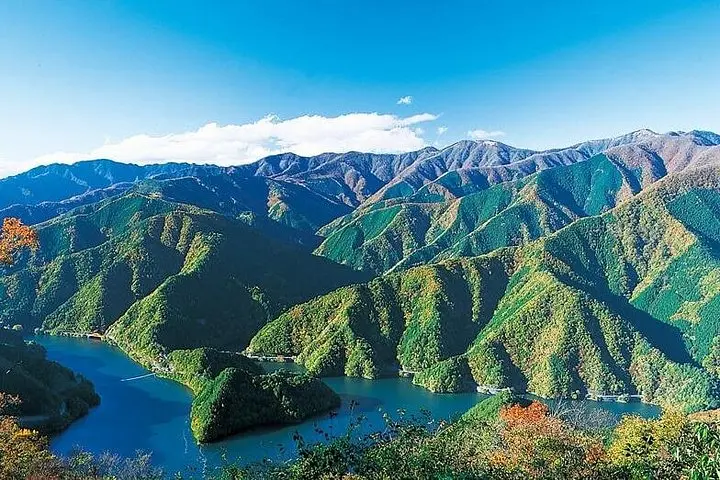
You peel away from Tokyo's concrete hum and within an hour the purr of the city is a memory. Mountain air tugs at the windows as the road drops into Hatonosu Valley; the river ahead dares you to slow down and look. Nippara Cave yawns cool and dark, Lake Okutama mirrors the ridge lines, and Hossawa Falls throws itself over rock in four dramatic steps.
You peel away from Tokyo's concrete hum and within an hour the purr of the city is a memory. Mountain air tugs at the windows as the road drops into Hatonosu Valley; the river ahead dares you to slow down and look. Nippara Cave yawns cool and dark, Lake Okutama mirrors the ridge lines, and Hossawa Falls throws itself over rock in four dramatic steps.
This corner of western Tokyo has a long human story: settlement patterns shaped by forestry and river transport, and a living craft culture around Hinohara's prized cypress. Geologically the area is a mix of limestone karst that carved the Nippara caverns and harder volcanic rock that forms the steep valley walls and the cataract that becomes Hossawa. Local culture folds simple mountain living, a kamameshi lunch tradition, and small shrines into daily life.
On a day tour you'll visit five to ten small sites: cave passages with stalactites, lakeside viewpoints, a hilltop picnic spot, a traditional house reached by a steep monorail, riverside walks past Kanoto Rocks, and the falls. Expect lots of short hikes, stairs, and uneven footing; much of the itinerary is roadside transfers with frequent stops.
Practical tips: wear sturdy shoes with good grip, carry layered clothing and a light rain shell, bring motion-sickness remedies if you're car-prone, and plan for a 10–14 hour day. Respect protected plants and wildlife—this is a designated natural monument area—and bring reusable water to minimize waste.