THE ADVENTURE COLLECTIVE® · Independent discovery and booking for outdoor travel

Step into an 18th‑century barrel house in downtown Charlotte Amalie for a guided tasting of sugarcane and molasses rums. Learn local history, smell the aroma station, and sample four curated rums in a 45‑minute cultural stop.
Step into an 18th‑century barrel house in downtown Charlotte Amalie for a guided tasting of sugarcane and molasses rums. Learn local history, smell the aroma station, and sample four curated rums in a 45‑minute cultural stop.
You step through a low wooden door and the heat of Charlotte Amalie’s harbor daylight softens to cool barrel-scented air: toasted oak, brown sugar, and a faint salt tang that follows you in from the sea. The Old Barrel House sits two blocks from the waterfront, one of the last 18th-century structures that handled casks bound for Europe. Inside, guides move between long tables and an aroma station, coaxing stories from bottles the way a captain reads the horizon.
Verified experiences and guided adventures in the surrounding area.
Operated by Rum Tours VI · Charlotte Amalie, St. Thomas
You step through a low wooden door and the heat of Charlotte Amalie’s harbor daylight softens to cool barrel-scented air: toasted oak, brown sugar, and a faint salt tang that follows you in from the sea. The Old Barrel House sits two blocks from the waterfront, one of the last 18th-century structures that handled casks bound for Europe. Inside, guides move between long tables and an aroma station, coaxing stories from bottles the way a captain reads the horizon.
The experience ties directly to the islands’ layered past. St. Thomas was part of the Danish West Indies, a hub for sugar, molasses and the rum trade; plantation economies and ship chandlers shaped the architecture and culture you see downtown. Geologically the island rests on volcanic bedrock with coral terraces nearer the shore—factors that guided plantation placement and port development. The tasting emphasizes sugarcane-derived rums and contrasts them with molasses-based spirits, and explains how French-style cognac barrels can round edges and lift tropical esters.
Practicality guides the tasting: sessions last about 45 minutes, include four to seven small pours plus water and plantain chips, and are wheelchair accessible. Bring photo ID (U.S. rules apply), taste from light to dark, and sip water between samples to reset the palate. Plan this as a short cultural stop when exploring downtown—combine it with a walk through the historic Fort Christian area or a harbor lookout.
Expect an intimate, hands-on look at a local craft where history, trade and flavor meet; leave with clear notes on production differences and a keener sense of how the sea, soil and barrels shaped these rums.
The experience runs approximately 45 minutes and includes at least four guided rum tastings, plus water and plantain chips.
Yes—surfaces and the tasting area are wheelchair accessible; note some historic nearby streets are uneven.
Yes—four to seven small pours are provided as part of the guided flight; pours are tasting-size (one to two ounces or less each).
This activity is not recommended for pregnant travelers or those with serious cardiovascular or spinal issues; check with the operator before booking.
Rum Tours VI operates guided outdoor trips and adventures with an emphasis on safety, stewardship, and memorable experiences.
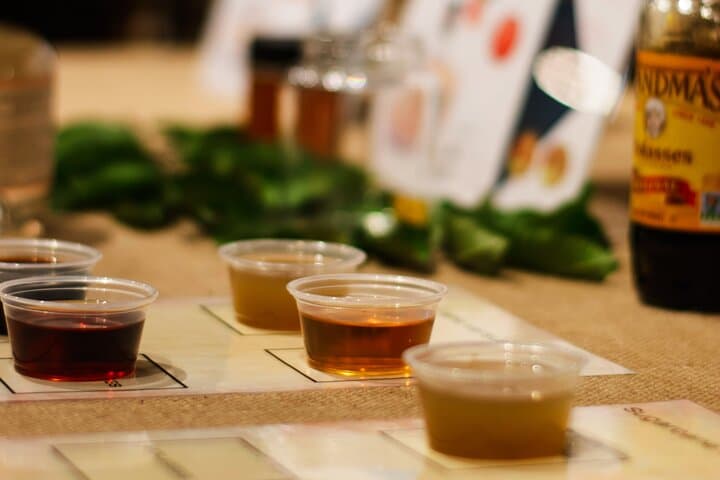
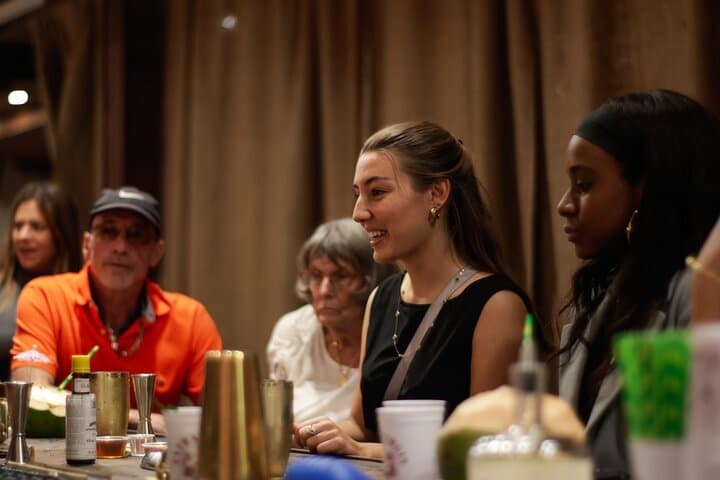


You step through a low wooden door and the heat of Charlotte Amalie’s harbor daylight softens to cool barrel-scented air: toasted oak, brown sugar, and a faint salt tang that follows you in from the sea. The Old Barrel House sits two blocks from the waterfront, one of the last 18th-century structures that handled casks bound for Europe. Inside, guides move between long tables and an aroma station, coaxing stories from bottles the way a captain reads the horizon.
You step through a low wooden door and the heat of Charlotte Amalie’s harbor daylight softens to cool barrel-scented air: toasted oak, brown sugar, and a faint salt tang that follows you in from the sea. The Old Barrel House sits two blocks from the waterfront, one of the last 18th-century structures that handled casks bound for Europe. Inside, guides move between long tables and an aroma station, coaxing stories from bottles the way a captain reads the horizon.
The experience ties directly to the islands’ layered past. St. Thomas was part of the Danish West Indies, a hub for sugar, molasses and the rum trade; plantation economies and ship chandlers shaped the architecture and culture you see downtown. Geologically the island rests on volcanic bedrock with coral terraces nearer the shore—factors that guided plantation placement and port development. The tasting emphasizes sugarcane-derived rums and contrasts them with molasses-based spirits, and explains how French-style cognac barrels can round edges and lift tropical esters.
Practicality guides the tasting: sessions last about 45 minutes, include four to seven small pours plus water and plantain chips, and are wheelchair accessible. Bring photo ID (U.S. rules apply), taste from light to dark, and sip water between samples to reset the palate. Plan this as a short cultural stop when exploring downtown—combine it with a walk through the historic Fort Christian area or a harbor lookout.
Expect an intimate, hands-on look at a local craft where history, trade and flavor meet; leave with clear notes on production differences and a keener sense of how the sea, soil and barrels shaped these rums.