THE ADVENTURE COLLECTIVE® · Independent discovery and booking for outdoor travel

Wander Khari Baoli’s spice-scented alleys, bargain in kinari bazaars and finish with a family lunch inside Masterji Kee Haveli. This five-hour Old Delhi walk blends history, food and local craftsmanship into an evocative urban adventure.
Wander Khari Baoli’s spice-scented alleys, bargain in kinari bazaars and finish with a family lunch inside Masterji Kee Haveli. This five-hour Old Delhi walk blends history, food and local craftsmanship into an evocative urban adventure.
You step from the tuk-tuk into a corridor of sound: bicycle bells, hawkers calling prices, and the rasp of rickshaw wheels on uneven stone. Narrow lanes squeeze between shuttered storefronts and open-fronted shops piled high with bolts of fabric, brassware and sacks of turmeric and chilies whose scents dare you to keep walking.
Verified experiences and guided adventures in the surrounding area.
Operated by Masterji kee haveli dot com · New Delhi, Delhi
You step from the tuk-tuk into a corridor of sound: bicycle bells, hawkers calling prices, and the rasp of rickshaw wheels on uneven stone. Narrow lanes squeeze between shuttered storefronts and open-fronted shops piled high with bolts of fabric, brassware and sacks of turmeric and chilies whose scents dare you to keep walking.
Old Delhi grew around the Mughal-era Chandni Chowk; Khari Baoli, Asia’s largest wholesale spice market, has been trading for centuries. The area’s layered history shows in carved wooden balconies and havelis—Masterji Kee Haveli is one of the last family-run mansions where five generations keep recipes and stories alive.
Culturally, the tour is equal parts commerce and social theatre: bargaining is expected, chai stalls are meeting points, and vendors move with practiced choreography. Though geology plays a quiet role here (the Yamuna plain’s alluvial soils supported the city’s growth), the real texture is human-made—brick lanes, flaking lime plaster, and copper wares polished by hands.
Practical guidance: the walk covers about 3–4 km over five hours, with frequent stops and short rickshaw hops. Wear sturdy, breathable shoes and bring small-denomination cash for purchases and street snacks. Go early to avoid the hottest part of the day and to see markets at their busiest. Photography is welcomed but ask before shooting inside homes and small workshops. Respectful dress helps when visiting family-run haveli spaces. Expect crowded lanes and a slow, sensory-paced stroll that rewards curiosity with spice-scented alleys and a home-cooked meal in a living heritage house.
The operator selects safe, well-known vendors and offers a home-cooked lunch at the haveli; if you have dietary restrictions, notify at booking.
Yes—private pickup and drop-off to/from your hotel are included in the tour price.
Much of Old Delhi’s lanes are narrow, uneven and crowded; the route is not fully wheelchair accessible and may be difficult for mobility aids.
Yes—bargaining is standard in bazaars; start around 40–60% of the asking price and negotiate politely.
Masterji kee haveli dot com operates guided outdoor trips and adventures with an emphasis on safety, stewardship, and memorable experiences.
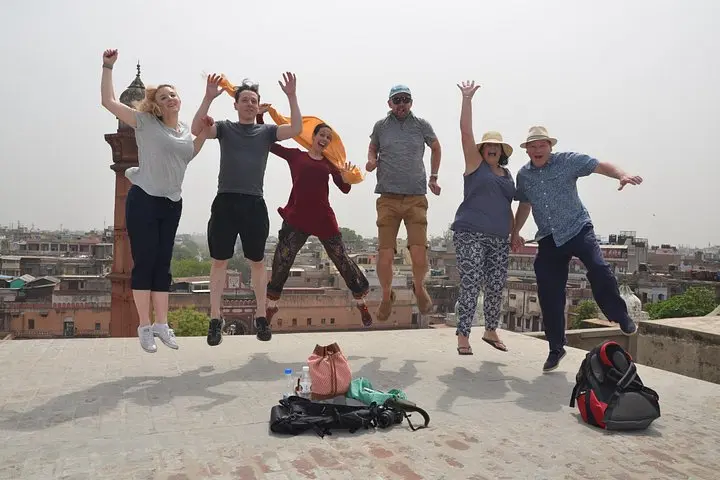
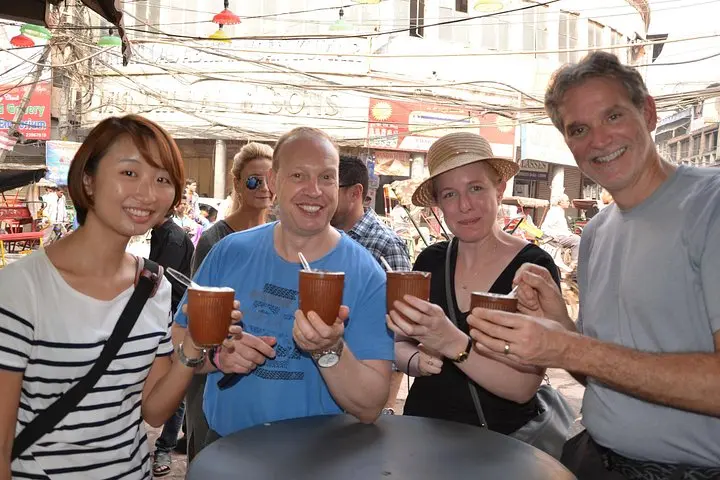

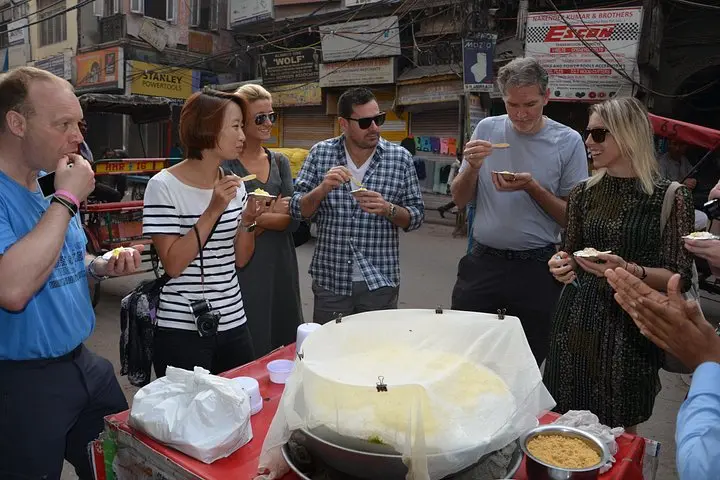
You step from the tuk-tuk into a corridor of sound: bicycle bells, hawkers calling prices, and the rasp of rickshaw wheels on uneven stone. Narrow lanes squeeze between shuttered storefronts and open-fronted shops piled high with bolts of fabric, brassware and sacks of turmeric and chilies whose scents dare you to keep walking.
You step from the tuk-tuk into a corridor of sound: bicycle bells, hawkers calling prices, and the rasp of rickshaw wheels on uneven stone. Narrow lanes squeeze between shuttered storefronts and open-fronted shops piled high with bolts of fabric, brassware and sacks of turmeric and chilies whose scents dare you to keep walking.
Old Delhi grew around the Mughal-era Chandni Chowk; Khari Baoli, Asia’s largest wholesale spice market, has been trading for centuries. The area’s layered history shows in carved wooden balconies and havelis—Masterji Kee Haveli is one of the last family-run mansions where five generations keep recipes and stories alive.
Culturally, the tour is equal parts commerce and social theatre: bargaining is expected, chai stalls are meeting points, and vendors move with practiced choreography. Though geology plays a quiet role here (the Yamuna plain’s alluvial soils supported the city’s growth), the real texture is human-made—brick lanes, flaking lime plaster, and copper wares polished by hands.
Practical guidance: the walk covers about 3–4 km over five hours, with frequent stops and short rickshaw hops. Wear sturdy, breathable shoes and bring small-denomination cash for purchases and street snacks. Go early to avoid the hottest part of the day and to see markets at their busiest. Photography is welcomed but ask before shooting inside homes and small workshops. Respectful dress helps when visiting family-run haveli spaces. Expect crowded lanes and a slow, sensory-paced stroll that rewards curiosity with spice-scented alleys and a home-cooked meal in a living heritage house.