THE ADVENTURE COLLECTIVE® · Independent discovery and booking for outdoor travel

Taste your way through Old Delhi with a knowledgeable guide: street snacks, a sit-down local meal, and historical stops like Jama Masjid. This 4–6 hour tour pairs transport with insider context to help you eat well and explore safely.
Taste your way through Old Delhi with a knowledgeable guide: street snacks, a sit-down local meal, and historical stops like Jama Masjid. This 4–6 hour tour pairs transport with insider context to help you eat well and explore safely.
Morning light cuts through a narrower lane than you expected, dust motes turning saffron from frying oil as a vendor flips a paratha. The alleys of Old Delhi dare you to follow the scent—cardamom, ghee, smoke—and the guide pulls the map into focus: Jama Masjid towering to the south, Chandni Chowk’s market arteries branching like a living grid.
Verified experiences and guided adventures in the surrounding area.
Operated by Agora Voyages Pvt. Ltd. · New Delhi, Delhi
Morning light cuts through a narrower lane than you expected, dust motes turning saffron from frying oil as a vendor flips a paratha. The alleys of Old Delhi dare you to follow the scent—cardamom, ghee, smoke—and the guide pulls the map into focus: Jama Masjid towering to the south, Chandni Chowk’s market arteries branching like a living grid.
This part of the city was laid out in the 17th century as Shahjahanabad, a dense urban core built near the Yamuna where trade, faith and food converged. Stones and brick tell a history of markets and migrations; recipes carry the layered influences of Mughal kitchens and Punjabi homesteads. Walking here is urban geology: narrow lanes, low thresholds, and courtyards that funnel sound and steam into the street.
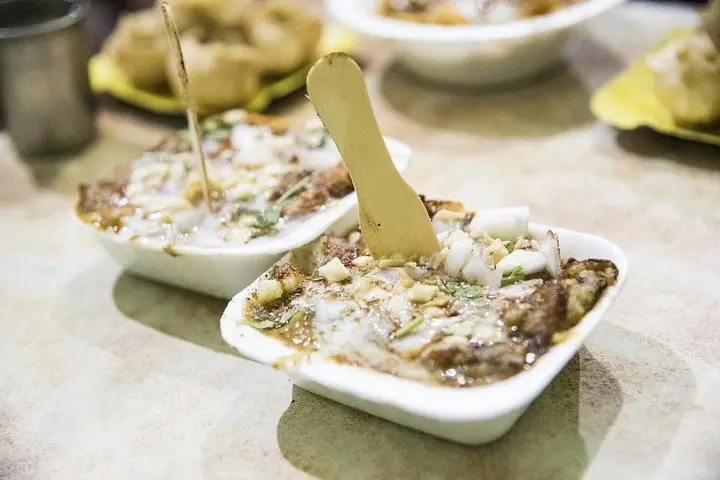
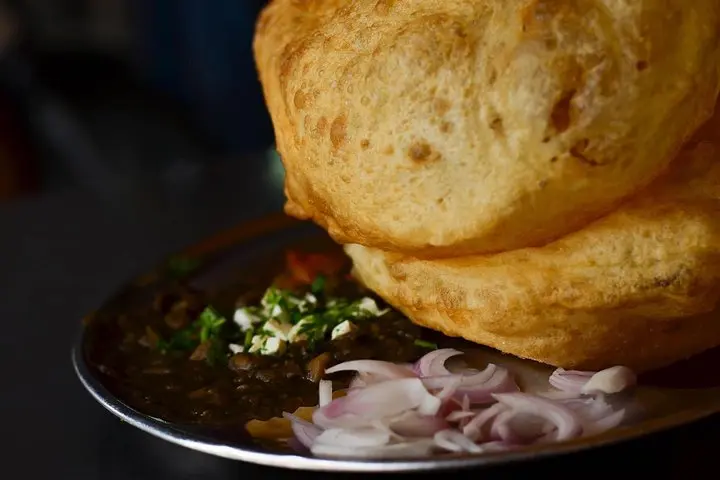
You’ll move from stalls to small eateries, sampling kebabs, chole bhature, jalebi and kulfi while the guide explains cooking techniques, vendor histories and why certain flavors dominate this neighborhood. Expect friendly negotiation over portions, brief pauses to photograph spice-sacked storefronts, and a sit-down meal in a family-run restaurant.
Practical side: the tour covers roughly 3–4 miles of walking over 4–6 hours on uneven pavements and packed crowds. Wear closed-toe shoes, bring a refillable bottle, and allow extra time if you want to explore side lanes. Carry small cash denominations and note cultural norms—covering shoulders at religious sites and asking before photographing people. Morning departures beat heat and peak crowds; evenings brighten the sweets scene. The guide handles logistics and transport, but pacing is local—curious, snack-driven, and richly sensory.
Yes—sampling at street vendors is part of the itinerary and a full sit-down meal is included when the meal option is selected.
Most guides can arrange vegetarian or mild-spice options with advance notice—disclose allergies when booking.
Yes—private AC transfer from and to your hotel is included in the tour price.
Generally yes, but consider crowd tolerance and walking distance; request a gentler pace when booking for older travelers or young children.
Agora Voyages Pvt. Ltd. operates guided outdoor trips and adventures with an emphasis on safety, stewardship, and memorable experiences.


Morning light cuts through a narrower lane than you expected, dust motes turning saffron from frying oil as a vendor flips a paratha. The alleys of Old Delhi dare you to follow the scent—cardamom, ghee, smoke—and the guide pulls the map into focus: Jama Masjid towering to the south, Chandni Chowk’s market arteries branching like a living grid.
Morning light cuts through a narrower lane than you expected, dust motes turning saffron from frying oil as a vendor flips a paratha. The alleys of Old Delhi dare you to follow the scent—cardamom, ghee, smoke—and the guide pulls the map into focus: Jama Masjid towering to the south, Chandni Chowk’s market arteries branching like a living grid.
This part of the city was laid out in the 17th century as Shahjahanabad, a dense urban core built near the Yamuna where trade, faith and food converged. Stones and brick tell a history of markets and migrations; recipes carry the layered influences of Mughal kitchens and Punjabi homesteads. Walking here is urban geology: narrow lanes, low thresholds, and courtyards that funnel sound and steam into the street.
You’ll move from stalls to small eateries, sampling kebabs, chole bhature, jalebi and kulfi while the guide explains cooking techniques, vendor histories and why certain flavors dominate this neighborhood. Expect friendly negotiation over portions, brief pauses to photograph spice-sacked storefronts, and a sit-down meal in a family-run restaurant.
Practical side: the tour covers roughly 3–4 miles of walking over 4–6 hours on uneven pavements and packed crowds. Wear closed-toe shoes, bring a refillable bottle, and allow extra time if you want to explore side lanes. Carry small cash denominations and note cultural norms—covering shoulders at religious sites and asking before photographing people. Morning departures beat heat and peak crowds; evenings brighten the sweets scene. The guide handles logistics and transport, but pacing is local—curious, snack-driven, and richly sensory.