THE ADVENTURE COLLECTIVE® · Independent discovery and booking for outdoor travel

Navigate Old Delhi by foot and cycle rickshaw on a four-hour food tour that threads Khari Baoli's spice alleys and a private haveli visit. Expect intense flavors, narrow lanes, and a hands-on cultural immersion perfect for curious eaters.
Navigate Old Delhi by foot and cycle rickshaw on a four-hour food tour that threads Khari Baoli's spice alleys and a private haveli visit. Expect intense flavors, narrow lanes, and a hands-on cultural immersion perfect for curious eaters.
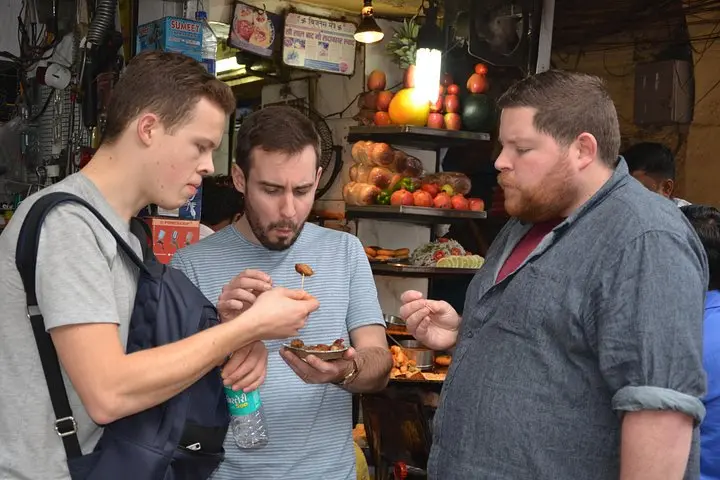
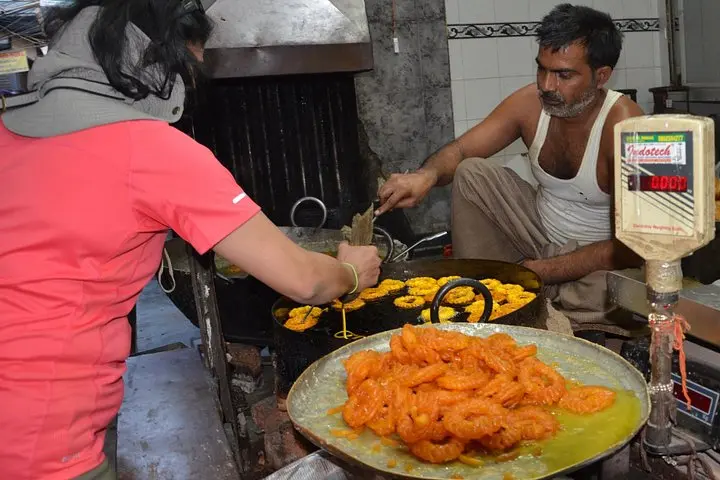
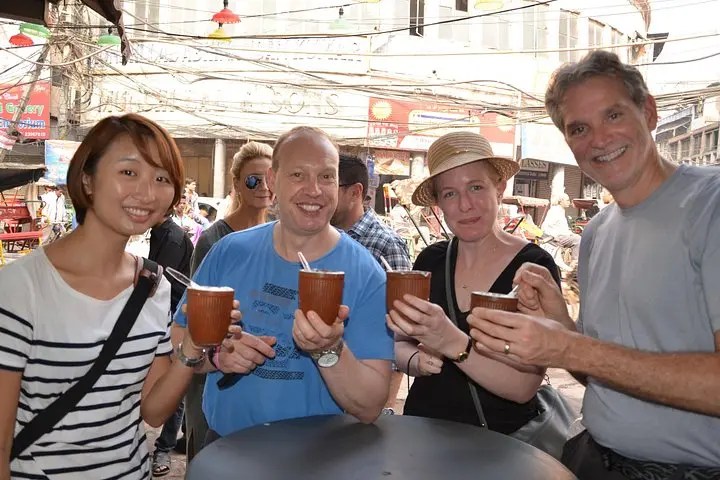
The group threads into a corridor of voices, horns and sizzling pans—rickshaw wheels click against uneven stone as steam from street kettles rises through a shaft of morning sun. Old Delhi's lanes press close around you; smells of frying gram, toasted spices and sweet jalebi pull you forward.
Verified experiences and guided adventures in the surrounding area.
Operated by Masterji kee haveli dot com · Delhi, Delhi
The group threads into a corridor of voices, horns and sizzling pans—rickshaw wheels click against uneven stone as steam from street kettles rises through a shaft of morning sun. Old Delhi's lanes press close around you; smells of frying gram, toasted spices and sweet jalebi pull you forward.
This half-day walk rides history as much as it does lanes. The route skirts 17th-century Mughal urban fabric laid down around the Red Fort and runs along the Yamuna floodplain—Delhi's flat, alluvial soils shaped where traders long ago set up wholesale markets. Khari Baoli, Asia's largest spice bazaar, has operated since the 1600s, and Masterji Kee Haveli offers a window into multi-generational domestic life inside the city wall.
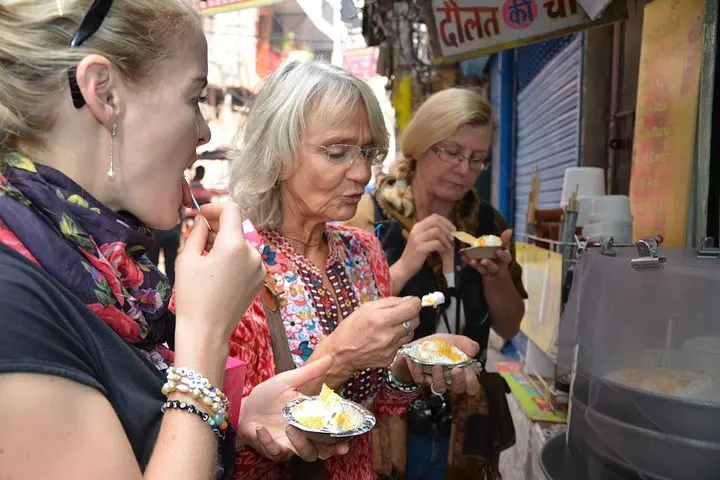
Culture is immediate here: vendors call, generations trade the same recipes, and rickshaw drivers navigate with practiced urgency. Expect bright, spicy flavors—chaat, kebabs, parathas and milk sweets—served from stainless-steel counters and family kitchens.
Practical guidance: the tour lasts about four hours and combines walking with short cycle-rickshaw rides; wear closed, comfortable shoes for uneven pavements and be ready for tight crowds and vehicle traffic. Carry a refillable water bottle, note any food allergies ahead of time, and plan for breakfast-to-lunch timing to catch cooler air and fresher frying oil. Cash helps at smaller stalls, but many vendors accept mobile payments. Respect private homes you enter—and note the host family's preference about tipping. This is an urban walk where senses are busy and logistics matter: pace yourself, protect your valuables, and enjoy food that tells the city's long story.
The tour is approximately four hours and combines walking through markets with short cycle-rickshaw rides; expect several kilometers of slow-paced walking and frequent stops.
Yes—many vegetarian options are available, but inform the operator of allergies or strict restrictions before booking so they can adapt samples.
Families are welcome; infants must sit on an adult’s lap during rickshaw segments and parents should account for crowds and strong flavors.
Smaller stalls often prefer cash; some accept mobile payments. Bring small-denomination cash for quick purchases and tips when appropriate.
Masterji kee haveli dot com operates guided outdoor trips and adventures with an emphasis on safety, stewardship, and memorable experiences.
The group threads into a corridor of voices, horns and sizzling pans—rickshaw wheels click against uneven stone as steam from street kettles rises through a shaft of morning sun. Old Delhi's lanes press close around you; smells of frying gram, toasted spices and sweet jalebi pull you forward.
The group threads into a corridor of voices, horns and sizzling pans—rickshaw wheels click against uneven stone as steam from street kettles rises through a shaft of morning sun. Old Delhi's lanes press close around you; smells of frying gram, toasted spices and sweet jalebi pull you forward.
This half-day walk rides history as much as it does lanes. The route skirts 17th-century Mughal urban fabric laid down around the Red Fort and runs along the Yamuna floodplain—Delhi's flat, alluvial soils shaped where traders long ago set up wholesale markets. Khari Baoli, Asia's largest spice bazaar, has operated since the 1600s, and Masterji Kee Haveli offers a window into multi-generational domestic life inside the city wall.
Culture is immediate here: vendors call, generations trade the same recipes, and rickshaw drivers navigate with practiced urgency. Expect bright, spicy flavors—chaat, kebabs, parathas and milk sweets—served from stainless-steel counters and family kitchens.
Practical guidance: the tour lasts about four hours and combines walking with short cycle-rickshaw rides; wear closed, comfortable shoes for uneven pavements and be ready for tight crowds and vehicle traffic. Carry a refillable water bottle, note any food allergies ahead of time, and plan for breakfast-to-lunch timing to catch cooler air and fresher frying oil. Cash helps at smaller stalls, but many vendors accept mobile payments. Respect private homes you enter—and note the host family's preference about tipping. This is an urban walk where senses are busy and logistics matter: pace yourself, protect your valuables, and enjoy food that tells the city's long story.