THE ADVENTURE COLLECTIVE® · Independent discovery and booking for outdoor travel

Walk the narrow lanes of Old Delhi to trace how Jain belief and caste history shaped vegetarian foodways, culminating in modern vegan spots and temple rooftops. This three-hour tour mixes food tastings, temple visits, and local history for a compact cultural immersion.
Walk the narrow lanes of Old Delhi to trace how Jain belief and caste history shaped vegetarian foodways, culminating in modern vegan spots and temple rooftops. This three-hour tour mixes food tastings, temple visits, and local history for a compact cultural immersion.
By the time a guide opens the iron gate into a narrow lane off Chandni Chowk, the city tightens around you: stalls press their colors against the walls, steam rises from frying pans and pigeons thread between rooftop eaves. The walk moves at footstep speed—through red sandstone courtyards, past a small bird hospital, up to a quiet Jain temple where worn stone blocks keep the cool.
Verified experiences and guided adventures in the surrounding area.
Operated by MamaIndia · Delhi, Delhi
By the time a guide opens the iron gate into a narrow lane off Chandni Chowk, the city tightens around you: stalls press their colors against the walls, steam rises from frying pans and pigeons thread between rooftop eaves. The walk moves at footstep speed—through red sandstone courtyards, past a small bird hospital, up to a quiet Jain temple where worn stone blocks keep the cool.
Old Delhi began as Shahjahanabad in the 17th century, laid out by Mughal planners who shaped the city with red sandstone and tight bazaars. The tour connects that built history with food history: Jain communities influenced vegetarian practice here for centuries, and the route traces those practices from ritual kitchens and temple bookshops to the first fully vegan cafés in the neighbourhood.
Participants should expect three hours of easy walking on uneven flagstones, narrow alleys and occasional stairs; crowds and heat change the pace. Tastings are small, curated snacks from local vegan vendors—make dietary restrictions clear before you go. Guides narrate family stories, temple lore and the social forces that made vegetarianism common, pausing on hidden rooftops for alleyway views and archival fragments carved in stone.
Practicalities matter: mornings are cooler and less crowded, Metro access to Chandni Chowk is straightforward, and respectful behaviour at religious sites (removing shoes, quiet voices) is required. Bring grippy shoes, a refillable water bottle and small currency for purchases to move smoothly through this living, food-forward maze.
Bring small currency for purchases, learn a few Hindi phrases, and always ask permission before photographing people or private rooftops to maintain good relations with vendors.
Yes—the tour focuses on vegan and vegetarian-Jain food spots; still notify guides of allergies to avoid cross-contact.
Most walks meet near Chandni Chowk Metro station (near the Red Fort); using the Delhi Metro is the fastest and most reliable option.
No—narrow alleys, steps and uneven flagstones make full accessibility difficult; contact the operator for current accessibility options.
Tipping is appreciated but discretionary; small cash tips are common for good service in Delhi walking tours.
MamaIndia operates guided outdoor trips and adventures with an emphasis on safety, stewardship, and memorable experiences.
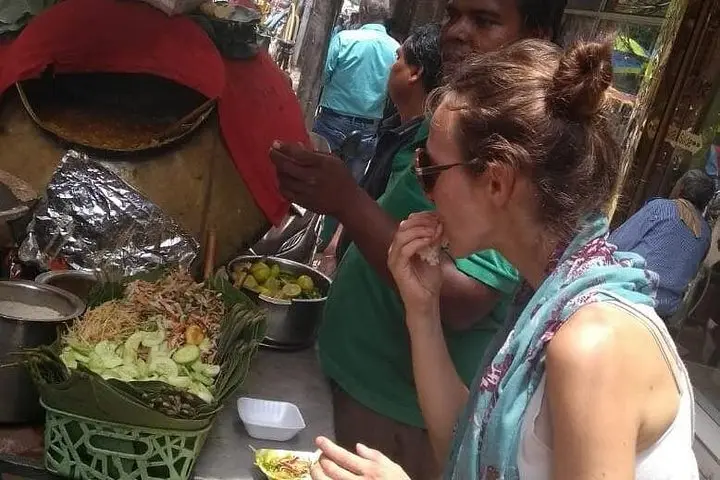
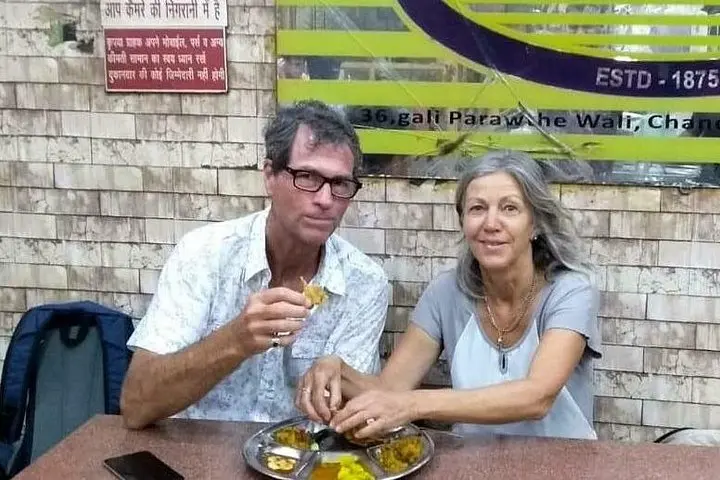
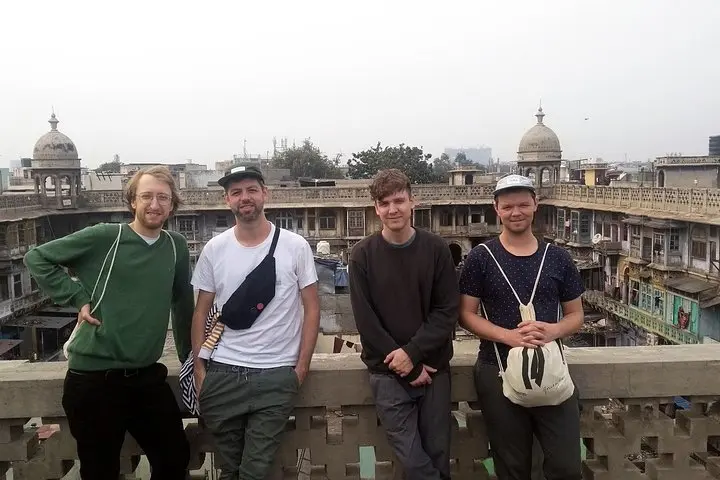
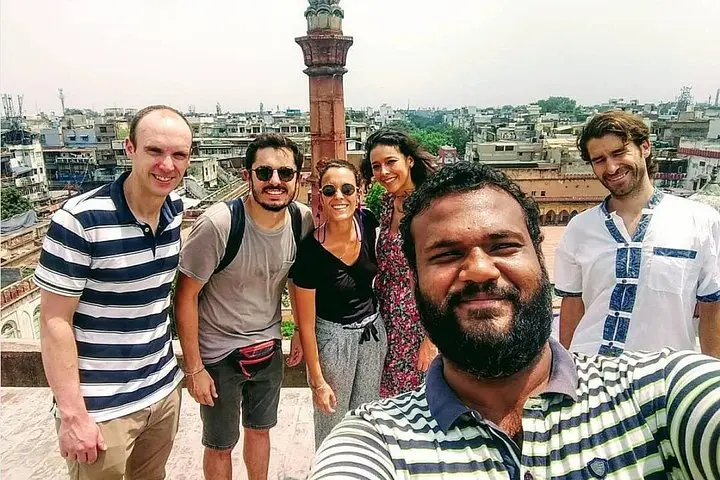
By the time a guide opens the iron gate into a narrow lane off Chandni Chowk, the city tightens around you: stalls press their colors against the walls, steam rises from frying pans and pigeons thread between rooftop eaves. The walk moves at footstep speed—through red sandstone courtyards, past a small bird hospital, up to a quiet Jain temple where worn stone blocks keep the cool.
By the time a guide opens the iron gate into a narrow lane off Chandni Chowk, the city tightens around you: stalls press their colors against the walls, steam rises from frying pans and pigeons thread between rooftop eaves. The walk moves at footstep speed—through red sandstone courtyards, past a small bird hospital, up to a quiet Jain temple where worn stone blocks keep the cool.
Old Delhi began as Shahjahanabad in the 17th century, laid out by Mughal planners who shaped the city with red sandstone and tight bazaars. The tour connects that built history with food history: Jain communities influenced vegetarian practice here for centuries, and the route traces those practices from ritual kitchens and temple bookshops to the first fully vegan cafés in the neighbourhood.
Participants should expect three hours of easy walking on uneven flagstones, narrow alleys and occasional stairs; crowds and heat change the pace. Tastings are small, curated snacks from local vegan vendors—make dietary restrictions clear before you go. Guides narrate family stories, temple lore and the social forces that made vegetarianism common, pausing on hidden rooftops for alleyway views and archival fragments carved in stone.
Practicalities matter: mornings are cooler and less crowded, Metro access to Chandni Chowk is straightforward, and respectful behaviour at religious sites (removing shoes, quiet voices) is required. Bring grippy shoes, a refillable water bottle and small currency for purchases to move smoothly through this living, food-forward maze.
Bring small currency for purchases, learn a few Hindi phrases, and always ask permission before photographing people or private rooftops to maintain good relations with vendors.