THE ADVENTURE COLLECTIVE® · Independent discovery and booking for outdoor travel

Move through the pulse of Old Delhi on a half-day walking tour that threads spicy bazaars, temple courtyards, and rickshaw-lined alleys. Perfect for travelers who want close-up cultural encounters and a practical, street-level view of Mughal-era urban life.
Move through the pulse of Old Delhi on a half-day walking tour that threads spicy bazaars, temple courtyards, and rickshaw-lined alleys. Perfect for travelers who want close-up cultural encounters and a practical, street-level view of Mughal-era urban life.
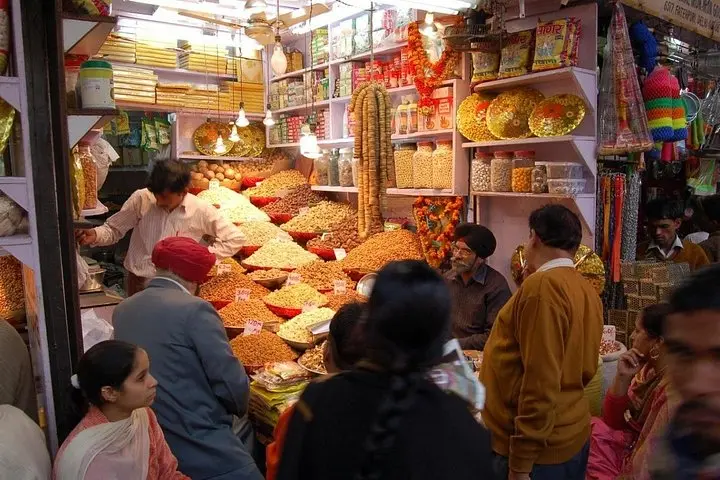
You step off the air-conditioned car into a lane where rickshaw bells insist you keep moving and the air folds around a dozen different foods being fried and spiced. Narrow alleys press in from both sides; vendors call out in practiced rhythms while carts of paranthas and poori steam at the curb. This is Old Delhi—where the city’s present tugs at the fabric of a 17th-century Mughal plan.
Verified experiences and guided adventures in the surrounding area.
Operated by SITA World Tours · New Delhi, Delhi
You step off the air-conditioned car into a lane where rickshaw bells insist you keep moving and the air folds around a dozen different foods being fried and spiced. Narrow alleys press in from both sides; vendors call out in practiced rhythms while carts of paranthas and poori steam at the curb. This is Old Delhi—where the city’s present tugs at the fabric of a 17th-century Mughal plan.
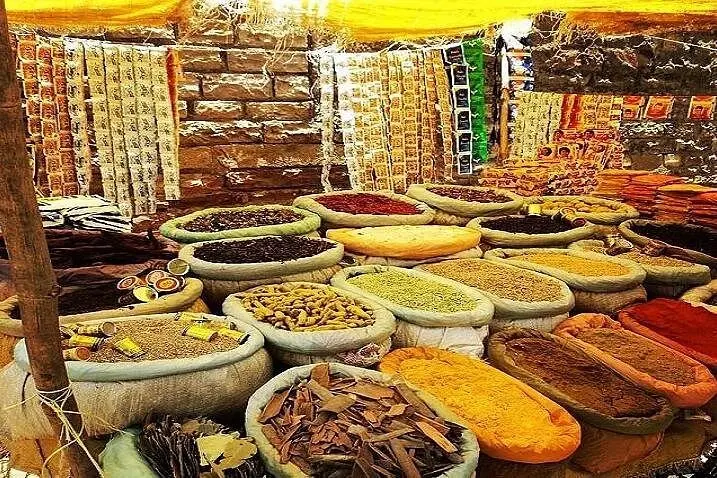
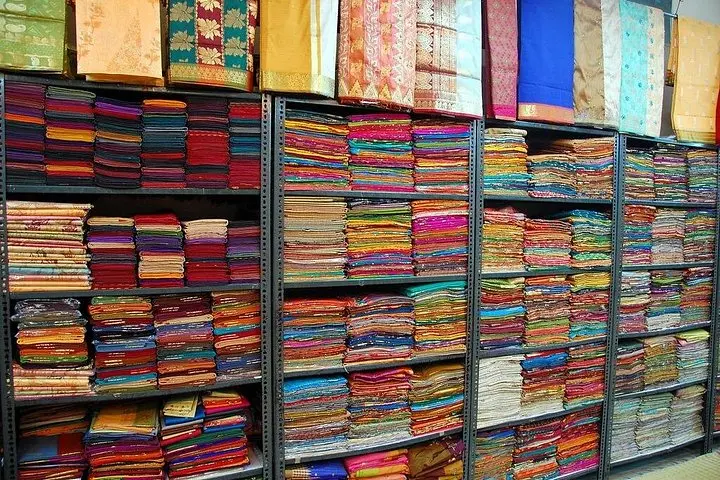
Founded in 1639 when Shah Jahan shifted the capital here, Old Delhi still carries street patterns and trading traditions from that era. The neighborhood sits on the alluvial plain of the Yamuna; its markets—Kinari for wedding cloth and Khari Baoli, Asia’s largest spice market—grew where transport and trade concentrated over centuries. Along the walk you’ll pass temples, a gurdwara, and one of the oldest Jain shrines; each place offers a short, intense window into faith and daily life.
Practical guidance: the tour runs about 4–5 hours and involves moderate walking on uneven pavements—wear closed shoes and a lightweight cover for temples (no shorts or sleeveless tops). Mornings are cooler and best for photography and street food; carry cash in small denominations for market purchases and tip rickshaw drivers when appropriate. Stay with the guide in crowded sections and be mindful of personal belongings.
Expect sensory overload in the best way: sacks of turmeric and cumin pushing color into the air, chai being poured from height, and rooftop glimpses of the Red Fort. The walk is both cultural immersion and an urban hike—fast-paced, tactile, and intensely local.
Yes—vegetarian breakfast and a traditional platter lunch are included; beverages are usually excluded.
No—narrow alleys and uneven surfaces mean it is not wheelchair accessible.
Photography policies vary; always ask permission, remove shoes where required, and respect any no-photo signs.
Hotel pickup and drop-off in New Delhi are included as part of the private tour service.
SITA World Tours operates guided outdoor trips and adventures with an emphasis on safety, stewardship, and memorable experiences.
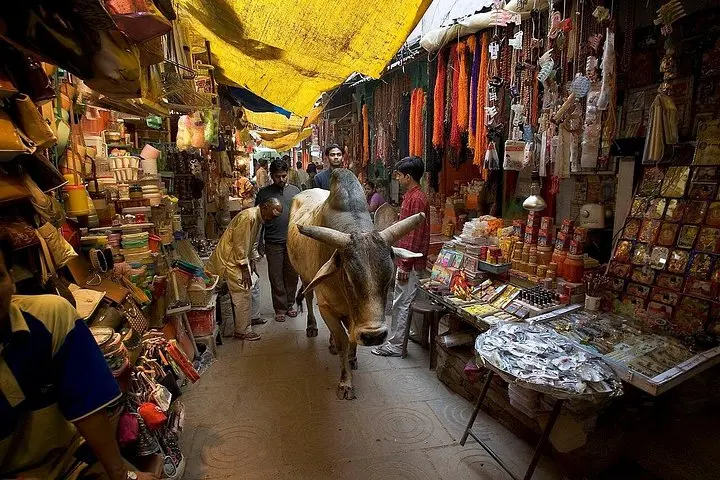
You step off the air-conditioned car into a lane where rickshaw bells insist you keep moving and the air folds around a dozen different foods being fried and spiced. Narrow alleys press in from both sides; vendors call out in practiced rhythms while carts of paranthas and poori steam at the curb. This is Old Delhi—where the city’s present tugs at the fabric of a 17th-century Mughal plan.
You step off the air-conditioned car into a lane where rickshaw bells insist you keep moving and the air folds around a dozen different foods being fried and spiced. Narrow alleys press in from both sides; vendors call out in practiced rhythms while carts of paranthas and poori steam at the curb. This is Old Delhi—where the city’s present tugs at the fabric of a 17th-century Mughal plan.
Founded in 1639 when Shah Jahan shifted the capital here, Old Delhi still carries street patterns and trading traditions from that era. The neighborhood sits on the alluvial plain of the Yamuna; its markets—Kinari for wedding cloth and Khari Baoli, Asia’s largest spice market—grew where transport and trade concentrated over centuries. Along the walk you’ll pass temples, a gurdwara, and one of the oldest Jain shrines; each place offers a short, intense window into faith and daily life.
Practical guidance: the tour runs about 4–5 hours and involves moderate walking on uneven pavements—wear closed shoes and a lightweight cover for temples (no shorts or sleeveless tops). Mornings are cooler and best for photography and street food; carry cash in small denominations for market purchases and tip rickshaw drivers when appropriate. Stay with the guide in crowded sections and be mindful of personal belongings.
Expect sensory overload in the best way: sacks of turmeric and cumin pushing color into the air, chai being poured from height, and rooftop glimpses of the Red Fort. The walk is both cultural immersion and an urban hike—fast-paced, tactile, and intensely local.