THE ADVENTURE COLLECTIVE® · Independent discovery and booking for outdoor travel

Navigate the crowded lanes of Old Dhaka by rickshaw and boat, visiting Mughal forts, Ahsan Manzil and century-old temples while sampling iconic street food. This full-day private tour pairs history, river life and local flavors for an immersive urban adventure.
Navigate the crowded lanes of Old Dhaka by rickshaw and boat, visiting Mughal forts, Ahsan Manzil and century-old temples while sampling iconic street food. This full-day private tour pairs history, river life and local flavors for an immersive urban adventure.
The day begins in a wash of color at Shahbagh flower market, where traders shout prices and garlands swing like small flags. From there the tour threads into narrow lanes, rickshaws rattling past carved wooden balconies and the Buriganga daring you from its banks — a river that has shaped the city’s life and trade for centuries.
Verified experiences and guided adventures in the surrounding area.
Operated by Dhaka Tours · Dhaka, Dhaka
The day begins in a wash of color at Shahbagh flower market, where traders shout prices and garlands swing like small flags. From there the tour threads into narrow lanes, rickshaws rattling past carved wooden balconies and the Buriganga daring you from its banks — a river that has shaped the city’s life and trade for centuries.
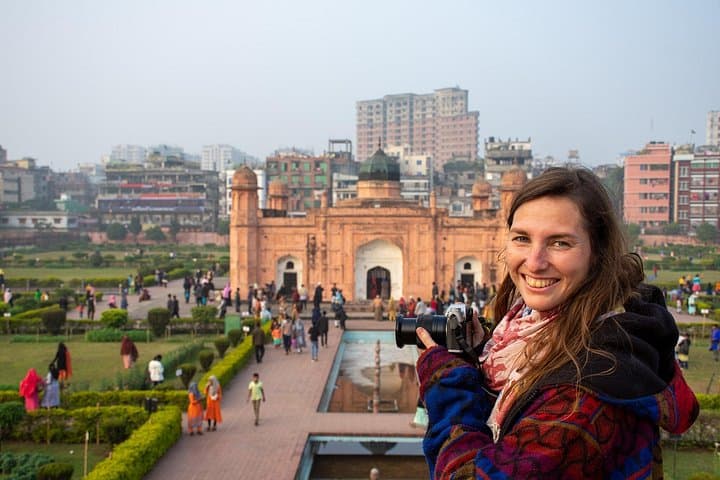
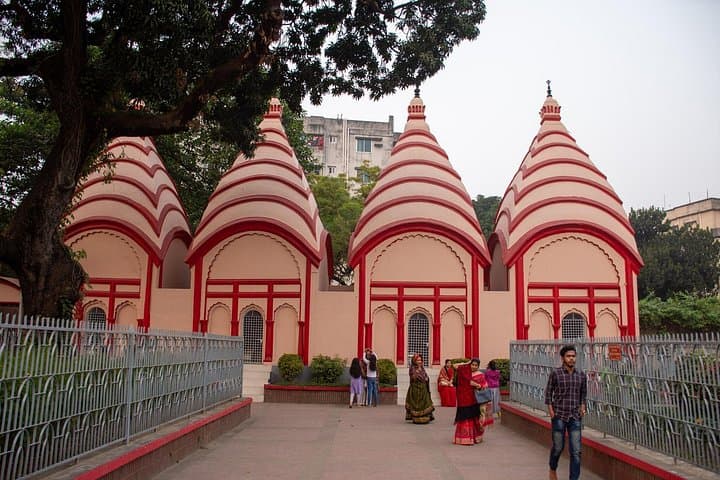
Old Dhaka is a living archive: Mughal brickwork at Lalbagh Fort, the Indo-Saracenic sweep of Ahsan Manzil, the 12th-century Dhakeshwari temple and the arcaded chambers of Bara Katra tell stories of empire, commerce and community. The Armenian Church and modest mosques speak to a patchwork of faiths and merchants who made this neighborhood a crossroads.
Geologically the area lies on the Ganges-Brahmaputra floodplain, so waterways and seasonal rise govern daily rhythms; culturally, food stalls and rickshaw art are as instructive as any museum. A short boat ride on the Buriganga offers a different perspective — river traffic, timber yards and ferry life framed against the palace pink of Ahsan Manzil.
Practically, expect an urban walk of several miles over uneven pavements, frequent stops for photos and food, and at least one brief boat crossing. Bring a refillable water bottle, sun protection, and modest clothing for temple and mosque visits. Timing matters: mornings are cooler and less crowded; avoid monsoon downpours if you want dry streets. Guides usually manage permits and directions, so this private, full-day outing is equal parts history lesson, street-food crawl and riverside reconnaissance—best for travelers who like their culture served loud, local and immediate.
This is a full-day private tour of about 8 hours, including a short boat ride and multiple stops around Old Dhaka.
Street food tastings are typically arranged but not always included in the base price—confirm with the operator before booking.
Many historic sites and narrow lanes aren’t wheelchair-friendly; contact the operator to discuss specific accessibility needs.
Local guides commonly speak English and Bengali; confirm language options when booking for other languages.
Dhaka Tours operates guided outdoor trips and adventures with an emphasis on safety, stewardship, and memorable experiences.

The day begins in a wash of color at Shahbagh flower market, where traders shout prices and garlands swing like small flags. From there the tour threads into narrow lanes, rickshaws rattling past carved wooden balconies and the Buriganga daring you from its banks — a river that has shaped the city’s life and trade for centuries.
The day begins in a wash of color at Shahbagh flower market, where traders shout prices and garlands swing like small flags. From there the tour threads into narrow lanes, rickshaws rattling past carved wooden balconies and the Buriganga daring you from its banks — a river that has shaped the city’s life and trade for centuries.
Old Dhaka is a living archive: Mughal brickwork at Lalbagh Fort, the Indo-Saracenic sweep of Ahsan Manzil, the 12th-century Dhakeshwari temple and the arcaded chambers of Bara Katra tell stories of empire, commerce and community. The Armenian Church and modest mosques speak to a patchwork of faiths and merchants who made this neighborhood a crossroads.
Geologically the area lies on the Ganges-Brahmaputra floodplain, so waterways and seasonal rise govern daily rhythms; culturally, food stalls and rickshaw art are as instructive as any museum. A short boat ride on the Buriganga offers a different perspective — river traffic, timber yards and ferry life framed against the palace pink of Ahsan Manzil.
Practically, expect an urban walk of several miles over uneven pavements, frequent stops for photos and food, and at least one brief boat crossing. Bring a refillable water bottle, sun protection, and modest clothing for temple and mosque visits. Timing matters: mornings are cooler and less crowded; avoid monsoon downpours if you want dry streets. Guides usually manage permits and directions, so this private, full-day outing is equal parts history lesson, street-food crawl and riverside reconnaissance—best for travelers who like their culture served loud, local and immediate.