
Old Dubai Creek Walk: Private Bur Dubai Culture Tour, Bazaars & Abra Ride
Step off the skyscraper circuit and into Old Dubai: a guided two-hour walk through Al Fahidi, the Dubai Museum, colorful lanes and the bustling souks lining Dubai Creek, finished with a traditional abra crossing. Expect history, textiles, gold, and practical market tips.
An Adventure In Dubai.
Step off the skyscraper circuit and into Old Dubai: a guided two-hour walk through Al Fahidi, the Dubai Museum, colorful lanes and the bustling souks lining Dubai Creek, finished with a traditional abra crossing. Expect history, textiles, gold, and practical market tips.
Read the full experience
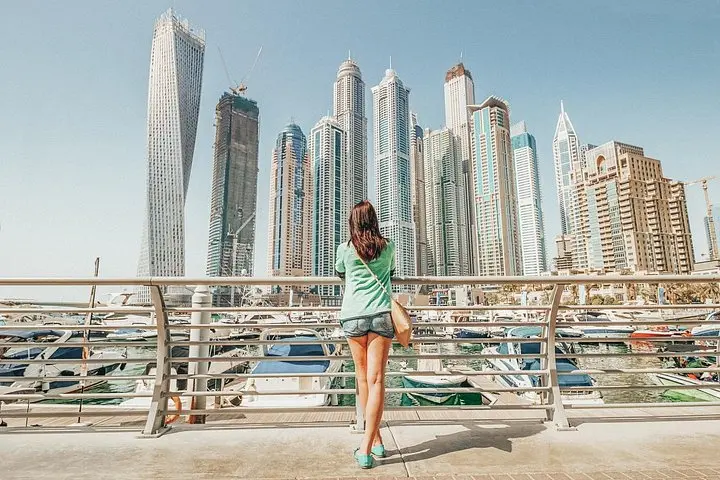
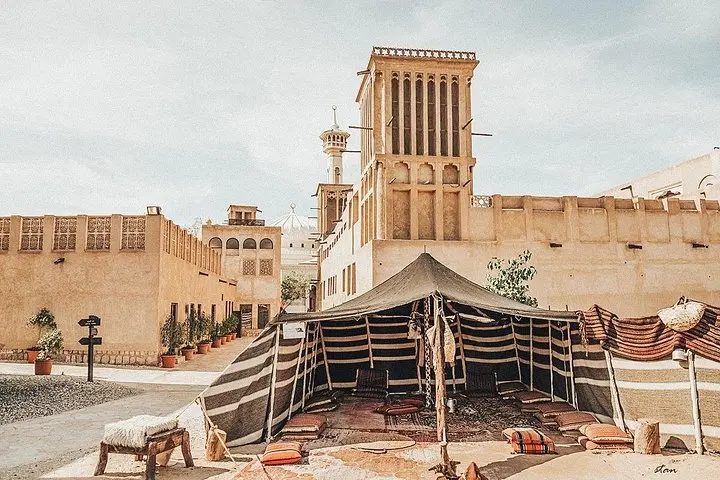
The guide leads the group out of Dubai’s glass-and-steel skyline and into narrow lanes that still remember the city before oil. Salt tang from the Creek hangs in the air; wind towers silhouette against low-slung buildings as the group steps into Al Fahidi’s 19th-century streets. Conversation drifts between traders, boatmen and the clack of wooden abra oars.
The guide leads the group out of Dubai’s glass-and-steel skyline and into narrow lanes that still remember the city before oil. Salt tang from the Creek hangs in the air; wind towers silhouette against low-slung buildings as the group steps into Al Fahidi’s 19th-century streets. Conversation drifts between traders, boatmen and the clack of wooden abra oars.
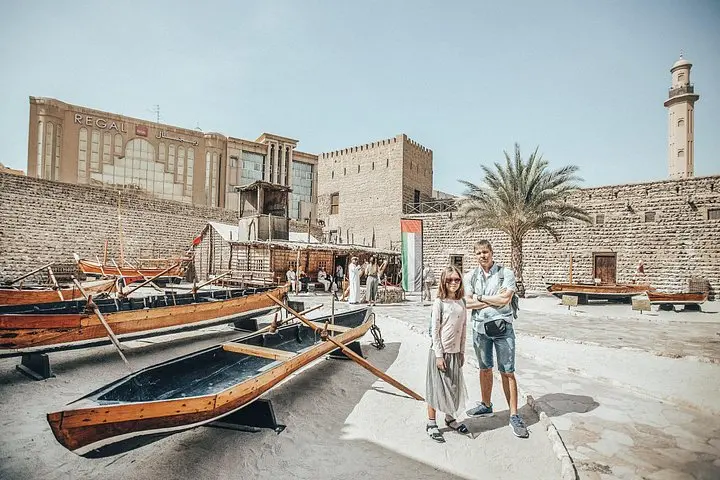
Al Fahidi Fort — built in 1787 — anchors the history lesson: a defensive stronghold that later became a sheikh’s residence and, since 1971, Dubai Museum. Geologically the Creek is a tidal inlet carved into coastal sediments and mangrove flats that, for centuries, linked the Arabian Gulf to trade routes across India and East Africa. Culturally the area is a mosaic — Arabic souks, a narrow Hindi Lane, and textile alleys where merchants still display bolts of silk and embroidered cloth.
Travelers should expect a mix of easy walking, market crowds, and a short traditional abra crossing that offers shifting views of Deira’s glittering shops and Bur Dubai’s low-rise heritage. Practicalities matter: plan for sun, tight alleys, and bargaining at stalls. Wear breathable shoes, carry water, and allow time to pause at the Coffee Museum or an art gallery in Al Fahidi.
This two-hour private tour is best early morning or late afternoon to avoid heat and dense crowds. It’s a concise primer on Dubai’s past and present — part history lesson, part sensory market immersion, and a reminder that the city’s origin story runs along a narrow, lively waterway.
Frequently asked questions
Yes; the walk is short and mostly flat, but parents and older travelers should plan for heat, crowds, and some standing during museum stops.
This itinerary notes the museum visit but check the booking details — admission may or may not be included depending on the operator.
Small vendors prefer UAE dirham cash; larger shops accept cards. Bring dirhams for bargaining and small purchases.
Individual abra rides across the Creek are short — typically 3–7 minutes depending on traffic and your pick-up point.
About This Experience
Friendly Local Guides operates guided outdoor trips and adventures with an emphasis on safety, stewardship, and memorable experiences.
Adventure tips
Recommended gear
- Reusable water bottle: Staying hydrated is critical in Dubai’s heat, especially during market walking and abra transfers.
- Breathable walking shoes: Comfortable, closed or sturdy sandals help navigate crowded alleys and uneven pavements.
- Light sun hat & sunscreen: Protects against strong UV exposure during outdoor stretches and on the abra.
- Small daypack or crossbody bag: Keeps valuables secure and hands free for photography and bargaining.
Photos of the experience

Related adventures & guides
Read the full experience
The guide leads the group out of Dubai’s glass-and-steel skyline and into narrow lanes that still remember the city before oil. Salt tang from the Creek hangs in the air; wind towers silhouette against low-slung buildings as the group steps into Al Fahidi’s 19th-century streets. Conversation drifts between traders, boatmen and the clack of wooden abra oars.
The guide leads the group out of Dubai’s glass-and-steel skyline and into narrow lanes that still remember the city before oil. Salt tang from the Creek hangs in the air; wind towers silhouette against low-slung buildings as the group steps into Al Fahidi’s 19th-century streets. Conversation drifts between traders, boatmen and the clack of wooden abra oars.
Al Fahidi Fort — built in 1787 — anchors the history lesson: a defensive stronghold that later became a sheikh’s residence and, since 1971, Dubai Museum. Geologically the Creek is a tidal inlet carved into coastal sediments and mangrove flats that, for centuries, linked the Arabian Gulf to trade routes across India and East Africa. Culturally the area is a mosaic — Arabic souks, a narrow Hindi Lane, and textile alleys where merchants still display bolts of silk and embroidered cloth.
Travelers should expect a mix of easy walking, market crowds, and a short traditional abra crossing that offers shifting views of Deira’s glittering shops and Bur Dubai’s low-rise heritage. Practicalities matter: plan for sun, tight alleys, and bargaining at stalls. Wear breathable shoes, carry water, and allow time to pause at the Coffee Museum or an art gallery in Al Fahidi.
This two-hour private tour is best early morning or late afternoon to avoid heat and dense crowds. It’s a concise primer on Dubai’s past and present — part history lesson, part sensory market immersion, and a reminder that the city’s origin story runs along a narrow, lively waterway.
Make a day of it nearby.
Verified experiences and guided adventures in the surrounding area.