THE ADVENTURE COLLECTIVE® · Independent discovery and booking for outdoor travel

Share a courtyard meal in Al Fahidi where wind towers channel cool air and hosts serve Arabic coffee, dates and traditional Emirati dishes. A 90-minute guided talk invites questions about culture, dress and daily life in old Dubai.
Share a courtyard meal in Al Fahidi where wind towers channel cool air and hosts serve Arabic coffee, dates and traditional Emirati dishes. A 90-minute guided talk invites questions about culture, dress and daily life in old Dubai.
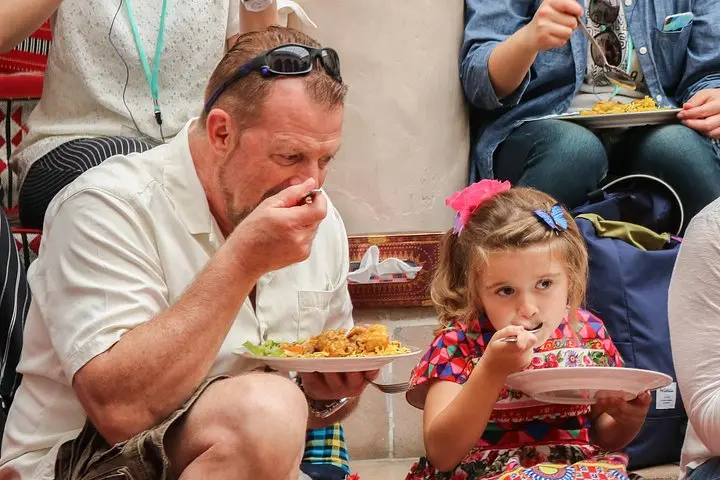
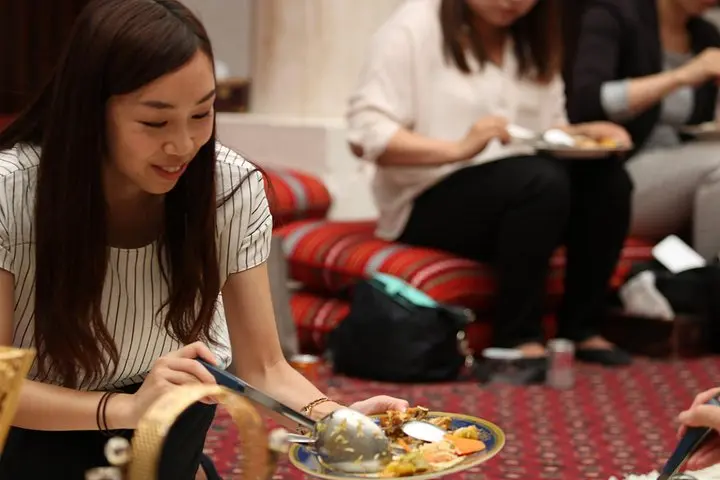
You step off the sunlit lane into a shaded courtyard where a wooden door swings open to the low hum of conversation and the smell of freshly brewed Arabic coffee. Wind towers rise above mud-brick walls, funneling a cool draft that makes the courtyard an unexpected refuge from Dubai's heat. Plates of slow-simmered stews, dates and ligamat arrive in turn; the host pours coffee with a steady, welcoming hand.
Verified experiences and guided adventures in the surrounding area.
Operated by Sheikh Mohammed Centre for Cultural Understanding · Dubai, Dubai
You step off the sunlit lane into a shaded courtyard where a wooden door swings open to the low hum of conversation and the smell of freshly brewed Arabic coffee. Wind towers rise above mud-brick walls, funneling a cool draft that makes the courtyard an unexpected refuge from Dubai's heat. Plates of slow-simmered stews, dates and ligamat arrive in turn; the host pours coffee with a steady, welcoming hand.
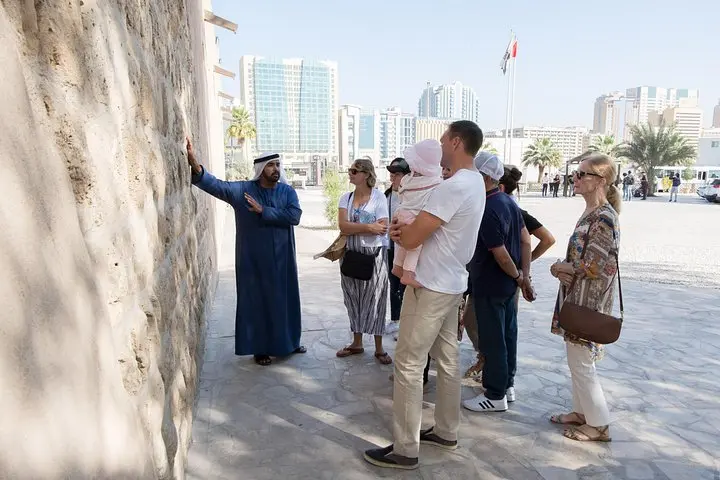
Al Fahidi (also called Al Bastakiya) grew from 19th-century trading ties to Persia and India; its narrow alleys and barjeel (wind-tower) houses reflect practical coastal architecture designed for the tidal creek and alluvial flats that shaped old Dubai. The program centers on guided Q&A and lived cultural context — religion, greetings, social customs and the significance of food and dress — delivered in an informal, conversational way.
Practical notes: the session lasts about 90 minutes in a traditional wind-tower house and accepts small groups (up to nine). Hosts encourage questions and may invite volunteers to try on Emirati dress; expect Arabic coffee, dates, local dishes and a final tea. Accessibility-friendly seating is available, and the location is a short walk from Dubai Creek and public transit.
Plan to arrive with modest clothing and comfortable shoes for the cobbled lanes, and bring a water bottle for the walk between sites. Early evening sessions are ideal for cooler temperatures and softer light for photos. Respectful curiosity makes the experience richer — ask about the food, the architecture and the stories behind the garments.
Yes — the venue notes wheelchair accessibility; contact the operator ahead to confirm specific access arrangements and any assistance needs.
Yes — hosts can usually accommodate common needs (vegetarian, halal); disclose allergies or restrictions when booking.
No — this is an authentic Emirati cultural meal focused on traditional non-alcoholic hospitality like coffee, tea and dates.
Children are welcome but must be accompanied by an adult; the program is family-friendly and age-appropriate conversation is encouraged.
Sheikh Mohammed Centre for Cultural Understanding operates guided outdoor trips and adventures with an emphasis on safety, stewardship, and memorable experiences.
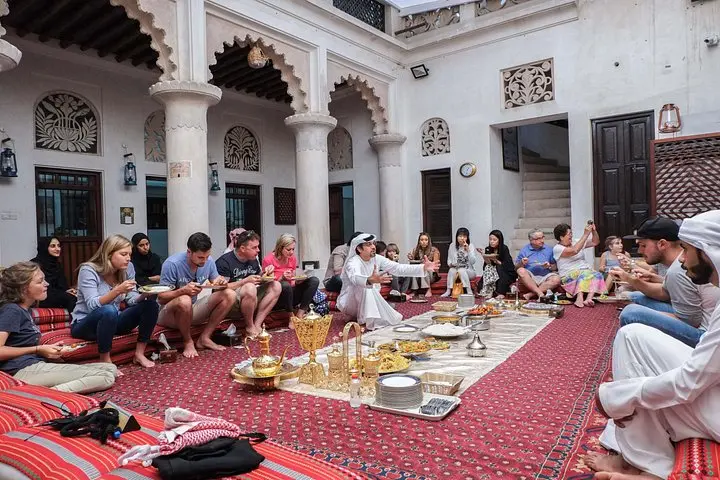
You step off the sunlit lane into a shaded courtyard where a wooden door swings open to the low hum of conversation and the smell of freshly brewed Arabic coffee. Wind towers rise above mud-brick walls, funneling a cool draft that makes the courtyard an unexpected refuge from Dubai's heat. Plates of slow-simmered stews, dates and ligamat arrive in turn; the host pours coffee with a steady, welcoming hand.
You step off the sunlit lane into a shaded courtyard where a wooden door swings open to the low hum of conversation and the smell of freshly brewed Arabic coffee. Wind towers rise above mud-brick walls, funneling a cool draft that makes the courtyard an unexpected refuge from Dubai's heat. Plates of slow-simmered stews, dates and ligamat arrive in turn; the host pours coffee with a steady, welcoming hand.
Al Fahidi (also called Al Bastakiya) grew from 19th-century trading ties to Persia and India; its narrow alleys and barjeel (wind-tower) houses reflect practical coastal architecture designed for the tidal creek and alluvial flats that shaped old Dubai. The program centers on guided Q&A and lived cultural context — religion, greetings, social customs and the significance of food and dress — delivered in an informal, conversational way.
Practical notes: the session lasts about 90 minutes in a traditional wind-tower house and accepts small groups (up to nine). Hosts encourage questions and may invite volunteers to try on Emirati dress; expect Arabic coffee, dates, local dishes and a final tea. Accessibility-friendly seating is available, and the location is a short walk from Dubai Creek and public transit.
Plan to arrive with modest clothing and comfortable shoes for the cobbled lanes, and bring a water bottle for the walk between sites. Early evening sessions are ideal for cooler temperatures and softer light for photos. Respectful curiosity makes the experience richer — ask about the food, the architecture and the stories behind the garments.