THE ADVENTURE COLLECTIVE® · Independent discovery and booking for outdoor travel

Walk through Old Dubai’s narrow lanes, ride a traditional abra across Dubai Creek, and explore the Al Fahidi neighbourhood, the Dubai Museum, and the gold and spice souks in a focused 3–4 hour cultural tour. Ideal for travelers who want history and local color without a full-day commitment.
Walk through Old Dubai’s narrow lanes, ride a traditional abra across Dubai Creek, and explore the Al Fahidi neighbourhood, the Dubai Museum, and the gold and spice souks in a focused 3–4 hour cultural tour. Ideal for travelers who want history and local color without a full-day commitment.
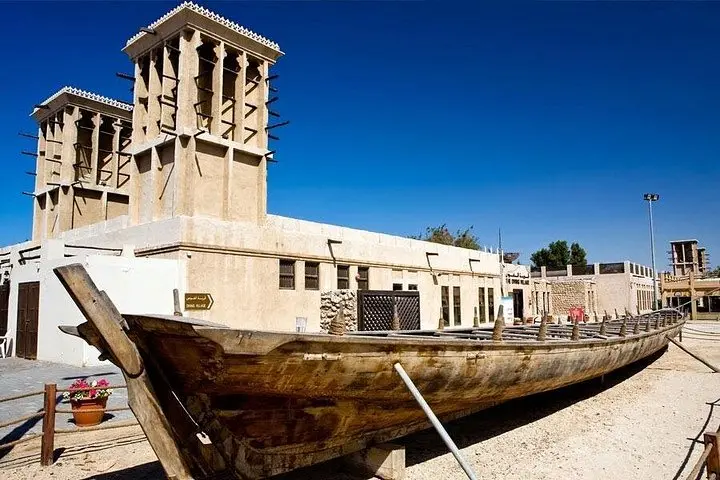
The morning light on Dubai Creek slips silver across dhow hulls as a guide leads the group through narrow lanes where wind towers still shade courtyards. This half-day walking tour moves at a city’s pulse—footsteps on stone, the creek’s current nudging wooden abras, and the soft clink of gold in the souk—offering a compact, tangible view of Old Dubai.
Verified experiences and guided adventures in the surrounding area.
Operated by MY NEXT TRIP TOURISM · Dubai, Dubai
The morning light on Dubai Creek slips silver across dhow hulls as a guide leads the group through narrow lanes where wind towers still shade courtyards. This half-day walking tour moves at a city’s pulse—footsteps on stone, the creek’s current nudging wooden abras, and the soft clink of gold in the souk—offering a compact, tangible view of Old Dubai.
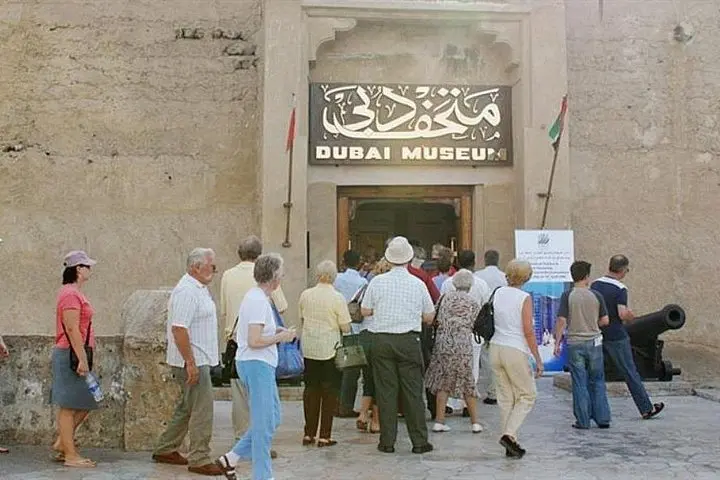
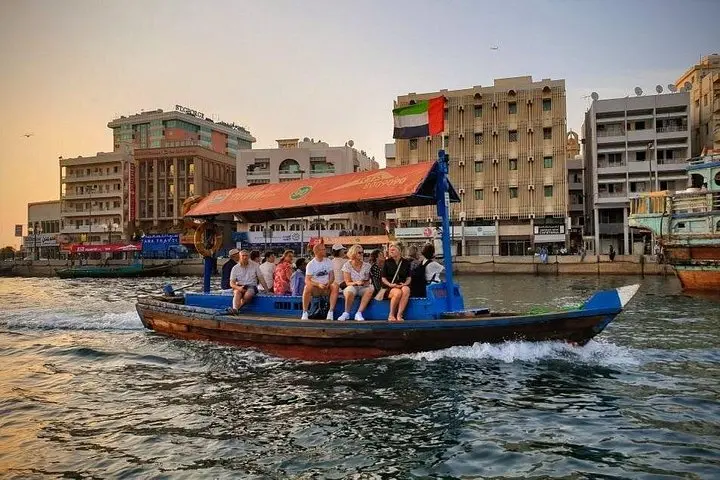
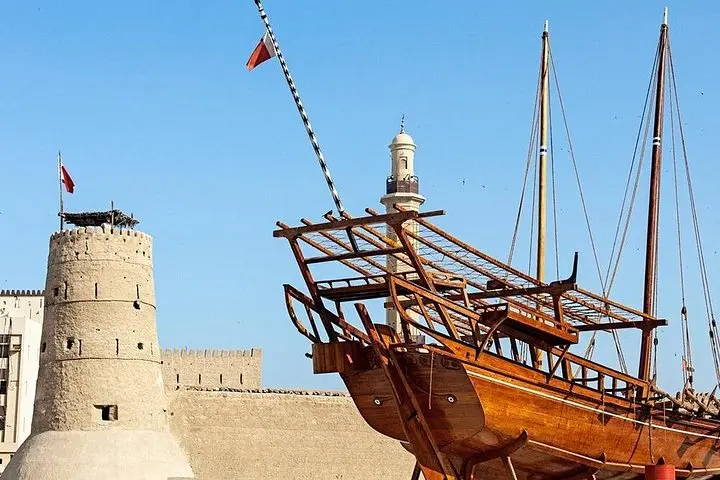
The route touches Al Seef’s waterfront redevelopment, the compact alleys of Al Fahidi (Al Bastakiya), and Al Fahidi Fort, home to the Dubai Museum. Geologically the creek carved the shoreline that allowed early pearling and trade; culturally, those channels shaped Dubai’s mercantile DNA and its cosmopolitan markets. The Abra crossing between Bur Dubai and Deira still feels like a small act of history—boats ferrying people where bridges now span.
Expect 3–4 hours of mostly flat walking with short vehicle transfers; the tour includes Dubai Museum entry and an abra ride, plus guided stops at the spice and gold souks for browsing. The guide fills context—trade routes, architectural details, and etiquette for market haggling—while pointing out lesser-noticed features like restored courtyard homes and traditional wind towers.
Practical guidance: go early to avoid heat, wear closed shoes for uneven pavements, carry a reusable water bottle (bottled water is provided), and dress respectfully—shoulders and knees covered in market and religious areas. Bring small local currency for purchases and tipping. The tour offers hotel pickup in Dubai City and is suitable for most fitness levels; those with serious mobility or health concerns should check accessibility in advance.
Yes, the tour offers pickup from hotels or locations within Dubai City—confirm your pickup point when booking.
The tour includes entry to Dubai Museum and an abra ride; check your booking confirmation for specifics.
Suitable for most families; infants must sit on an adult’s lap and the pace is generally easy, but crowded markets can be cramped.
Yes—stops at the gold and spice souks allow time to browse and purchase; guides can offer haggling tips but purchases are at your discretion.
MY NEXT TRIP TOURISM operates guided outdoor trips and adventures with an emphasis on safety, stewardship, and memorable experiences.
The morning light on Dubai Creek slips silver across dhow hulls as a guide leads the group through narrow lanes where wind towers still shade courtyards. This half-day walking tour moves at a city’s pulse—footsteps on stone, the creek’s current nudging wooden abras, and the soft clink of gold in the souk—offering a compact, tangible view of Old Dubai.
The morning light on Dubai Creek slips silver across dhow hulls as a guide leads the group through narrow lanes where wind towers still shade courtyards. This half-day walking tour moves at a city’s pulse—footsteps on stone, the creek’s current nudging wooden abras, and the soft clink of gold in the souk—offering a compact, tangible view of Old Dubai.
The route touches Al Seef’s waterfront redevelopment, the compact alleys of Al Fahidi (Al Bastakiya), and Al Fahidi Fort, home to the Dubai Museum. Geologically the creek carved the shoreline that allowed early pearling and trade; culturally, those channels shaped Dubai’s mercantile DNA and its cosmopolitan markets. The Abra crossing between Bur Dubai and Deira still feels like a small act of history—boats ferrying people where bridges now span.
Expect 3–4 hours of mostly flat walking with short vehicle transfers; the tour includes Dubai Museum entry and an abra ride, plus guided stops at the spice and gold souks for browsing. The guide fills context—trade routes, architectural details, and etiquette for market haggling—while pointing out lesser-noticed features like restored courtyard homes and traditional wind towers.
Practical guidance: go early to avoid heat, wear closed shoes for uneven pavements, carry a reusable water bottle (bottled water is provided), and dress respectfully—shoulders and knees covered in market and religious areas. Bring small local currency for purchases and tipping. The tour offers hotel pickup in Dubai City and is suitable for most fitness levels; those with serious mobility or health concerns should check accessibility in advance.