THE ADVENTURE COLLECTIVE® · Independent discovery and booking for outdoor travel

Walk the older streets of Dubai, cross the creek on a traditional abra and haggle in the spice and gold souks with a private local guide. This 3–4 hour tour blends history, culture, and accessible urban exploration away from the skyscrapers.
Walk the older streets of Dubai, cross the creek on a traditional abra and haggle in the spice and gold souks with a private local guide. This 3–4 hour tour blends history, culture, and accessible urban exploration away from the skyscrapers.
The sun cuts across Dubai Creek, turning the water to a strip of mirrored light as a wooden abra slips quietly between banks lined with low sandstone houses and windtowers. You step from an air‑conditioned vehicle into the narrow alleys of Al Fahidi, where the city’s older rhythms—coffee, calligraphy, and commerce—still set the pace.
Verified experiences and guided adventures in the surrounding area.
Operated by Trip Habibi Tourism LLC · Dubai, Dubai
The sun cuts across Dubai Creek, turning the water to a strip of mirrored light as a wooden abra slips quietly between banks lined with low sandstone houses and windtowers. You step from an air‑conditioned vehicle into the narrow alleys of Al Fahidi, where the city’s older rhythms—coffee, calligraphy, and commerce—still set the pace.
This private heritage walk threads Al Seef and Al Fahidi Village, follows the creek aboard a traditional abra, and drops you into the spice and gold souks of Deira. The area evolved from fishing and pearling camps into a trading hub; the creek once ferried dhows loaded with dates, spices, and silk. Geologically the creek is a tidal inlet carved by centuries of ebb and flow, shaping the shoreline and neighborhoods that sprang up to service the trade.
Culturally the tour traces everyday life—majlis houses, the Coffee Museum, and markets where men and women still haggle for saffron and textiles. Your local guide explains dress codes, mosque etiquette, and how Dubai’s rapid modernization sits beside active preservation projects.
Practically: the route is flat and accessible, lasting about 3–4 hours with short walking sections and several stops. Expect narrow lanes, uneven paving in older quarters, and the brief splash of the abra ride. Bring modest layers for mosque entry, a refillable water bottle, and small bills for market purchases. Morning or late‑afternoon departures avoid the heat and make colors and aromas of the souks sharper. This is a paced, sensory tour—best for travelers who want context and close‑up encounters with Dubai’s living heritage.
Yes—the traditional abra crossing of Dubai Creek is included as part of the itinerary.
Many areas visited are accessible and transport is wheelchair friendly, but some historic alleys may be tighter; notify the operator for specific arrangements.
Modest attire is required; the tour provides or suggests traditional dress options for an immersive visit, but bringing a shawl helps.
Yes—this listing is a private guided tour with a flexible itinerary and pick‑up/drop‑off anywhere in Dubai.
Trip Habibi Tourism LLC operates guided outdoor trips and adventures with an emphasis on safety, stewardship, and memorable experiences.
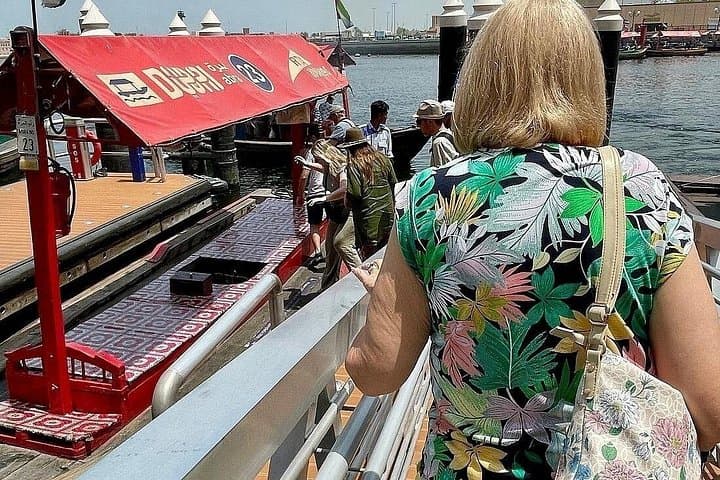
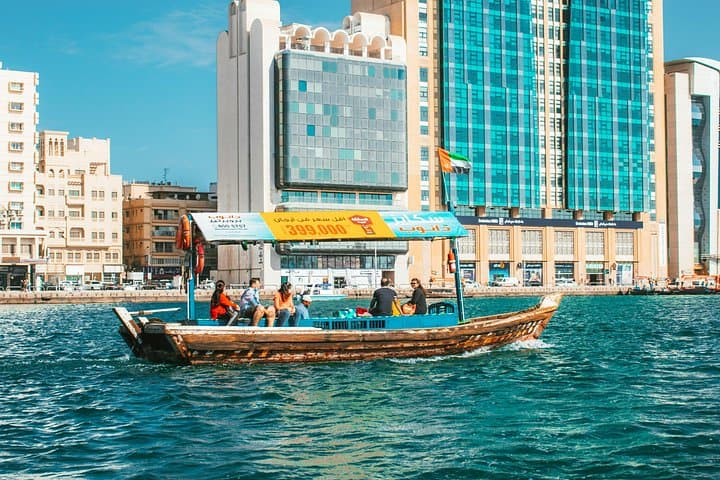
The sun cuts across Dubai Creek, turning the water to a strip of mirrored light as a wooden abra slips quietly between banks lined with low sandstone houses and windtowers. You step from an air‑conditioned vehicle into the narrow alleys of Al Fahidi, where the city’s older rhythms—coffee, calligraphy, and commerce—still set the pace.
The sun cuts across Dubai Creek, turning the water to a strip of mirrored light as a wooden abra slips quietly between banks lined with low sandstone houses and windtowers. You step from an air‑conditioned vehicle into the narrow alleys of Al Fahidi, where the city’s older rhythms—coffee, calligraphy, and commerce—still set the pace.
This private heritage walk threads Al Seef and Al Fahidi Village, follows the creek aboard a traditional abra, and drops you into the spice and gold souks of Deira. The area evolved from fishing and pearling camps into a trading hub; the creek once ferried dhows loaded with dates, spices, and silk. Geologically the creek is a tidal inlet carved by centuries of ebb and flow, shaping the shoreline and neighborhoods that sprang up to service the trade.
Culturally the tour traces everyday life—majlis houses, the Coffee Museum, and markets where men and women still haggle for saffron and textiles. Your local guide explains dress codes, mosque etiquette, and how Dubai’s rapid modernization sits beside active preservation projects.
Practically: the route is flat and accessible, lasting about 3–4 hours with short walking sections and several stops. Expect narrow lanes, uneven paving in older quarters, and the brief splash of the abra ride. Bring modest layers for mosque entry, a refillable water bottle, and small bills for market purchases. Morning or late‑afternoon departures avoid the heat and make colors and aromas of the souks sharper. This is a paced, sensory tour—best for travelers who want context and close‑up encounters with Dubai’s living heritage.