THE ADVENTURE COLLECTIVE® · Independent discovery and booking for outdoor travel

Walk the bones of Old Dubai along the Creek: wind-tower lanes, aromatic spice alleys, and small museums that map the city’s trading past. This 3-hour guided stroll pairs cultural context with practical tips for navigating markets and historic sites.
Walk the bones of Old Dubai along the Creek: wind-tower lanes, aromatic spice alleys, and small museums that map the city’s trading past. This 3-hour guided stroll pairs cultural context with practical tips for navigating markets and historic sites.
The morning air along Dubai Creek carries a specific, salty tang; the water nudges boats past wooden abra docks while narrow alleys in Al Fahidi funnel light and sound into a centuries-old rhythm. On foot, you move through wind-tower houses, past cafés folding open to the lane, and into markets where spices send warm threads of aroma through the crowd.
Verified experiences and guided adventures in the surrounding area.
Operated by The Dubai Host · Dubai, Dubai
The morning air along Dubai Creek carries a specific, salty tang; the water nudges boats past wooden abra docks while narrow alleys in Al Fahidi funnel light and sound into a centuries-old rhythm. On foot, you move through wind-tower houses, past cafés folding open to the lane, and into markets where spices send warm threads of aroma through the crowd.
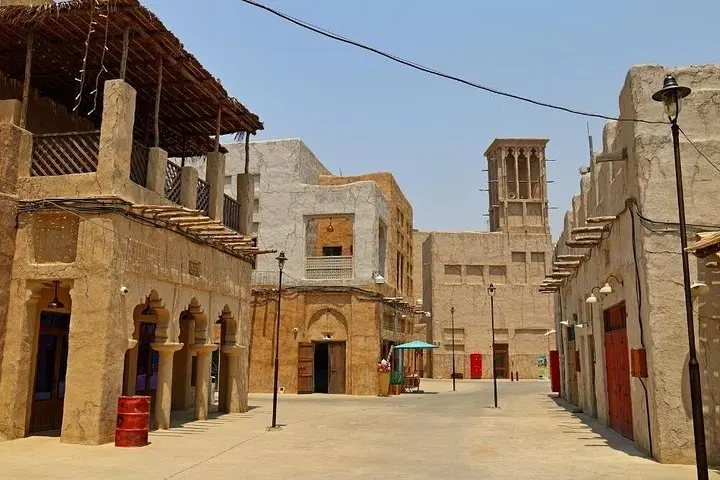
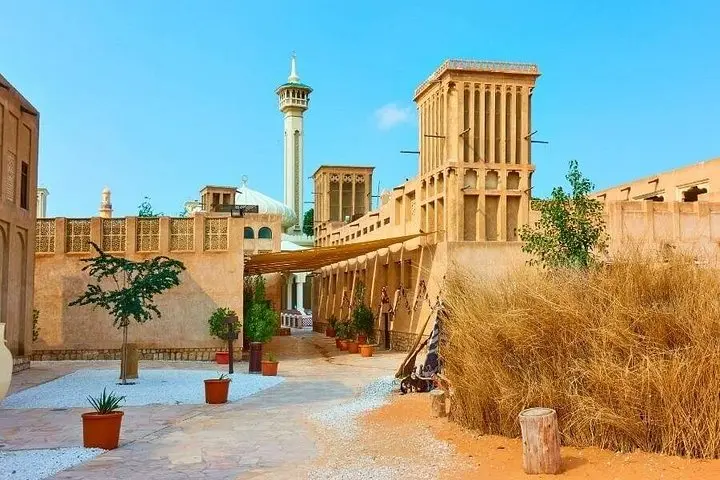
This walk stitches together Dubai’s trading past—pearling, dhow trade and spice routes—into a compact urban landscape. Al Fahidi’s limestone and gypsum facades show traditional Gulf architecture; the nearby souks trace commerce routes that once connected Arabia to India and East Africa. Cultural notes surface in small places: a family-run goldsmith’s counter, a coffee roaster demonstrating age-old techniques, and Shaikh Saeed House’s photographs that map the city’s leap from creekside port to global hub.
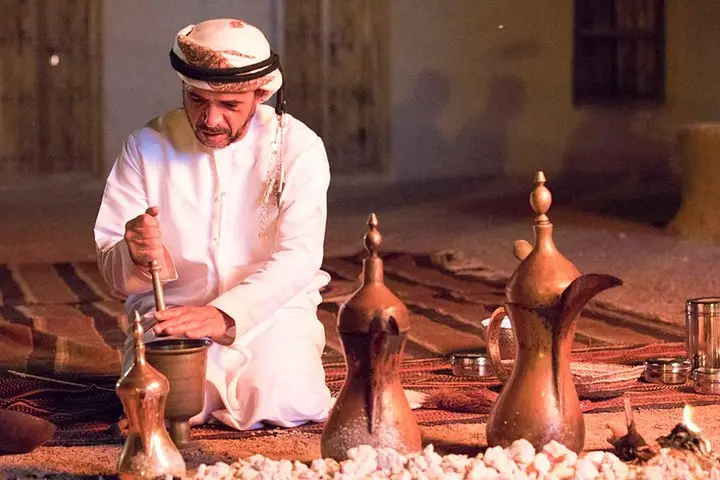
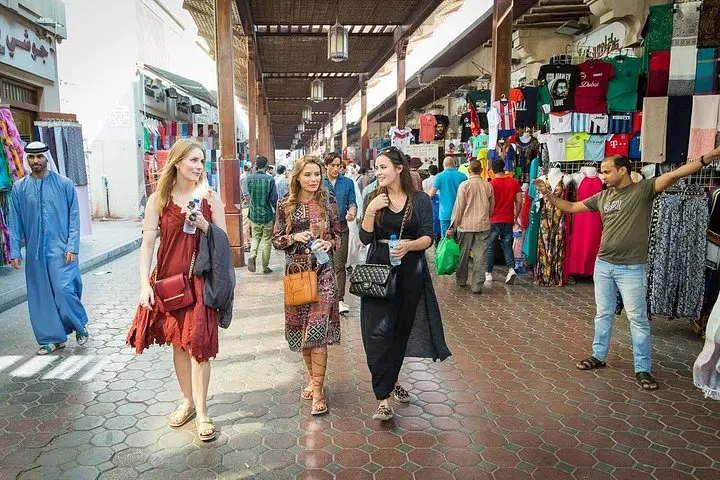
Expect stone-paved lanes, occasional low doorways, and open-air markets where bargaining is part of the culture. The Coffee Museum offers hands-on roasting demos; the Spice and Textile souks present dense color and scent that demand slower senses. Practicalities matter here: plan for shade breaks, carry water, and wear shoes that handle uneven paving.
Timing changes the mood—early morning brings cooler temperatures and quiet alleys; late afternoon amplifies the souks’ bustle and the Creek’s amber light. A guide translates signs, points out architectural details, and steers you to local snacks and quieter courtyards. The result is a short, walkable immersion that rewards curiosity and sensible pacing.
Some small museum admissions (like the Coffee Museum) are included per the itinerary; optional entries such as certain heritage houses may be subject to availability and fees.
Many areas and transport options noted are wheelchair accessible, but some narrow alleyways and market lanes can be tight—notify the operator of specific needs when booking.
Yes—stroller access is possible and the route is suitable for families, though infants may need to sit on laps during parts of the walk and buses if used.
Tipping is discretionary; 10–15% of the tour cost or a small cash amount per person is appreciated for personalized, knowledgeable service.
The Dubai Host operates guided outdoor trips and adventures with an emphasis on safety, stewardship, and memorable experiences.
The morning air along Dubai Creek carries a specific, salty tang; the water nudges boats past wooden abra docks while narrow alleys in Al Fahidi funnel light and sound into a centuries-old rhythm. On foot, you move through wind-tower houses, past cafés folding open to the lane, and into markets where spices send warm threads of aroma through the crowd.
The morning air along Dubai Creek carries a specific, salty tang; the water nudges boats past wooden abra docks while narrow alleys in Al Fahidi funnel light and sound into a centuries-old rhythm. On foot, you move through wind-tower houses, past cafés folding open to the lane, and into markets where spices send warm threads of aroma through the crowd.
This walk stitches together Dubai’s trading past—pearling, dhow trade and spice routes—into a compact urban landscape. Al Fahidi’s limestone and gypsum facades show traditional Gulf architecture; the nearby souks trace commerce routes that once connected Arabia to India and East Africa. Cultural notes surface in small places: a family-run goldsmith’s counter, a coffee roaster demonstrating age-old techniques, and Shaikh Saeed House’s photographs that map the city’s leap from creekside port to global hub.
Expect stone-paved lanes, occasional low doorways, and open-air markets where bargaining is part of the culture. The Coffee Museum offers hands-on roasting demos; the Spice and Textile souks present dense color and scent that demand slower senses. Practicalities matter here: plan for shade breaks, carry water, and wear shoes that handle uneven paving.
Timing changes the mood—early morning brings cooler temperatures and quiet alleys; late afternoon amplifies the souks’ bustle and the Creek’s amber light. A guide translates signs, points out architectural details, and steers you to local snacks and quieter courtyards. The result is a short, walkable immersion that rewards curiosity and sensible pacing.