THE ADVENTURE COLLECTIVE® · Independent discovery and booking for outdoor travel

Trace Dubai’s trade roots on a sensory two-hour walk through Al Fahidi, glide across Dubai Creek by abra, and bargain through the Spice and Gold Souks with a local guide. Perfect for travelers who want the city’s human story beyond skyscrapers.
Trace Dubai’s trade roots on a sensory two-hour walk through Al Fahidi, glide across Dubai Creek by abra, and bargain through the Spice and Gold Souks with a local guide. Perfect for travelers who want the city’s human story beyond skyscrapers.
You step off the tram into a network of narrow lanes where wind towers cast long, geometric shadows and the air smells faintly of cardamom and roasted coffee.
Verified experiences and guided adventures in the surrounding area.
Operated by Tour With Locals · Dubai, Dubai
You step off the tram into a network of narrow lanes where wind towers cast long, geometric shadows and the air smells faintly of cardamom and roasted coffee.
This two-hour walking tour threads through Al Fahidi Historical District, follows the curve of Dubai Creek, and delivers you into the bustle of the Spice and Gold Souks. The creek itself seems to dare you to slow down — wooden abras slice across its surface in a rhythm that once drove a regional trade economy.
Al Fahidi preserves pre-oil architecture: gypsum-and-palm wind towers, low courtyards, and museums that trace Dubai’s life as a pearling and trading port. The Spice Souk and Gold Souk continue that lineage, where haggling is practical currency and scents and sparkle tell the story of global commerce that passed this waterfront for centuries.
Expect short stops at the Coffee Museum, Dubai Museum (Al Fahidi Fort), a brief abra crossing, and guided time inside both souks. The walk is flat and accessible but sensory: close-quarters markets, uneven historic paved alleys, and the occasional passing delivery cart.
Practical pointers: go early to avoid midday heat, carry small bills for purchases and the abra, wear closed-toe shoes for narrow alleys, and dress respectfully (shoulders and knees covered). Bring a refillable water bottle and a compact pack for purchases. The guide’s local knowledge is the value here — they point out architectural details, explain spice blends, and steer you toward authentic buys.
This is an urban adventure that trades sky-high views for texture, taste, and a hands-on look at the city’s living history.
The abra crossing is short — typically 5–10 minutes — enough for a waterfront perspective and photos, and the fare is minimal.
Yes — the route is generally stroller- and wheelchair-accessible with mostly flat surfaces; notify the operator of special needs when booking.
No — shopping is optional; the guide will point out reputable shops if you want to purchase spices, textiles, or jewelry.
This specific tour is offered with an English-speaking local guide; check booking details for other language options or private guide requests.
Tour With Locals operates guided outdoor trips and adventures with an emphasis on safety, stewardship, and memorable experiences.
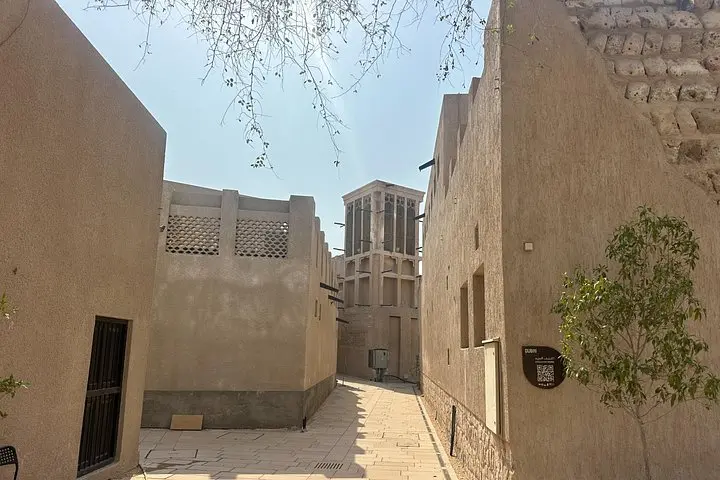
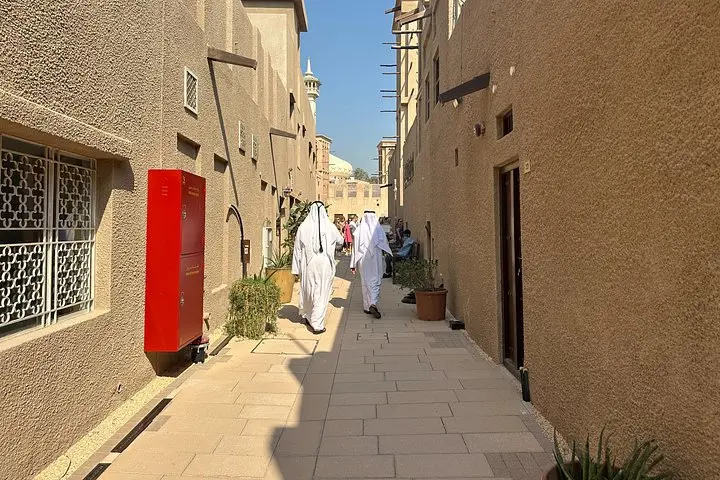
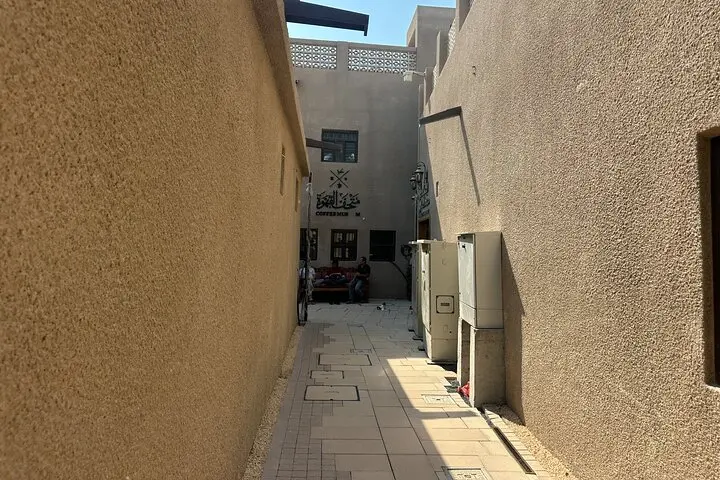
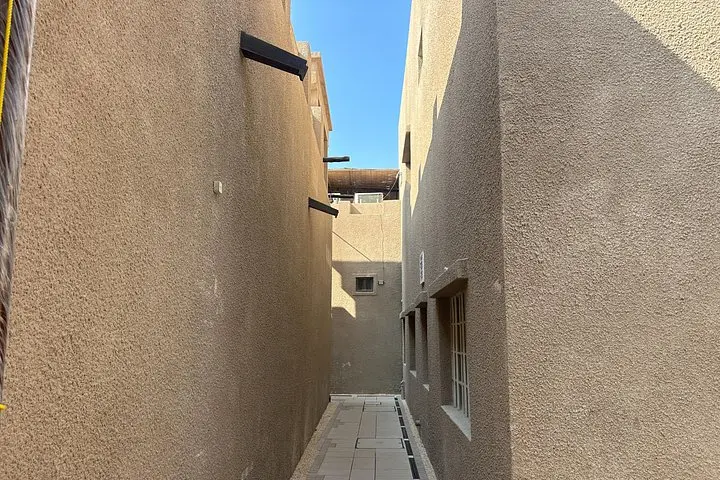
You step off the tram into a network of narrow lanes where wind towers cast long, geometric shadows and the air smells faintly of cardamom and roasted coffee.
You step off the tram into a network of narrow lanes where wind towers cast long, geometric shadows and the air smells faintly of cardamom and roasted coffee.
This two-hour walking tour threads through Al Fahidi Historical District, follows the curve of Dubai Creek, and delivers you into the bustle of the Spice and Gold Souks. The creek itself seems to dare you to slow down — wooden abras slice across its surface in a rhythm that once drove a regional trade economy.
Al Fahidi preserves pre-oil architecture: gypsum-and-palm wind towers, low courtyards, and museums that trace Dubai’s life as a pearling and trading port. The Spice Souk and Gold Souk continue that lineage, where haggling is practical currency and scents and sparkle tell the story of global commerce that passed this waterfront for centuries.
Expect short stops at the Coffee Museum, Dubai Museum (Al Fahidi Fort), a brief abra crossing, and guided time inside both souks. The walk is flat and accessible but sensory: close-quarters markets, uneven historic paved alleys, and the occasional passing delivery cart.
Practical pointers: go early to avoid midday heat, carry small bills for purchases and the abra, wear closed-toe shoes for narrow alleys, and dress respectfully (shoulders and knees covered). Bring a refillable water bottle and a compact pack for purchases. The guide’s local knowledge is the value here — they point out architectural details, explain spice blends, and steer you toward authentic buys.
This is an urban adventure that trades sky-high views for texture, taste, and a hands-on look at the city’s living history.