THE ADVENTURE COLLECTIVE® · Independent discovery and booking for outdoor travel

Walk Al Fahidi’s wind-tower lanes, cross Dubai Creek by abra and haggle through spice and gold souks on a three‑hour guided tour that blends history, local flavors and practical urban navigation tips.
Walk Al Fahidi’s wind-tower lanes, cross Dubai Creek by abra and haggle through spice and gold souks on a three‑hour guided tour that blends history, local flavors and practical urban navigation tips.
Dawn light slides across wind towers as the creek exhales salt and diesel; you step off the metro into alleys where teak doors and gypsum walls still hold the city’s earlier rhythms. This three-hour walking tour threads Al Fahidi’s narrow lanes, crosses the creek by abra and drops you into the spice-scented corridors of Deira’s souks—an urban route that reads like a living trade map.
Verified experiences and guided adventures in the surrounding area.
Operated by Tour With Me · Dubai, Dubai
Dawn light slides across wind towers as the creek exhales salt and diesel; you step off the metro into alleys where teak doors and gypsum walls still hold the city’s earlier rhythms. This three-hour walking tour threads Al Fahidi’s narrow lanes, crosses the creek by abra and drops you into the spice-scented corridors of Deira’s souks—an urban route that reads like a living trade map.
Dubai Creek carved a trading lifeline into the peninsula long before skyscrapers rose. From pearl-diving dhows to 19th-century textile stalls, the area grew around tidal channels and dhow moorings; Al Fahidi Fort (late 18th century) marks one of the oldest surviving structures. Architecture here is practical: barjeel wind-towers were early “air conditioning,” while forts and souks reflect mercantile culture and regional materials.
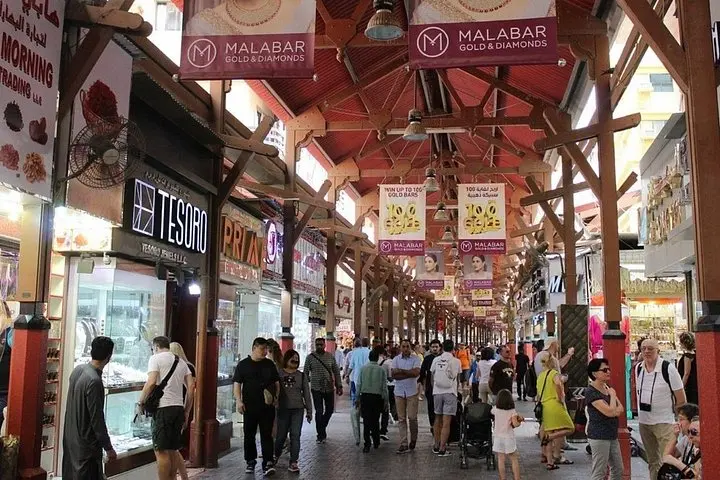
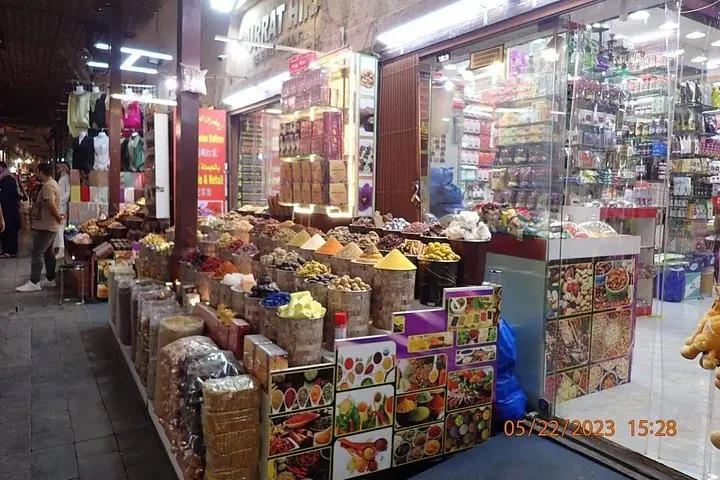
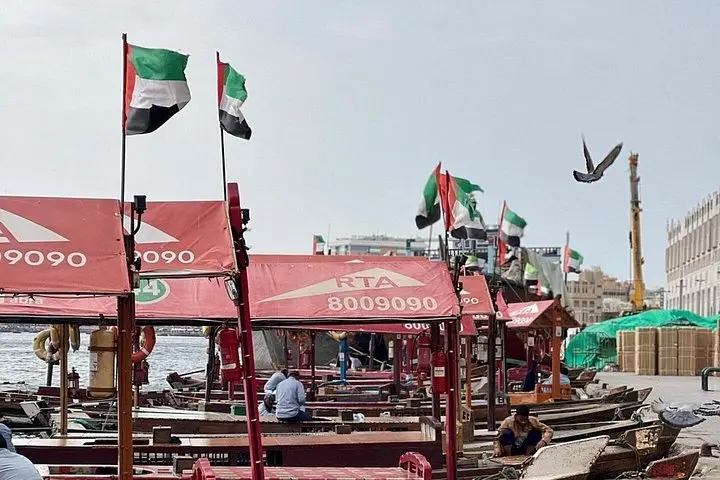
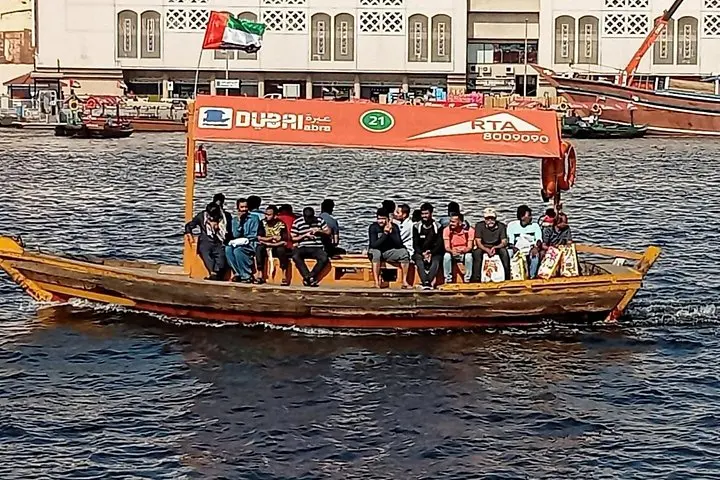
Expect sensory contrasts: the abra’s wooden hull rocks beneath you as gulls and egrets inspect the water; spice souks throw cardamom and turmeric into the air; gold shops glitter with generations of craftsmanship. Guides translate local stories—how merchants navigated tides and tariffs—while coffee and bottled water punctuate the walk.
Practical edge: start at Al Fahidi (Sharaf DG) in the morning or late afternoon to avoid heat and crowds. Wear breathable shoes for paved cobbles and narrow walkways; carry small-denomination AED for purchases and tips. Haggling is customary but polite; follow your guide into quieter lanes for authentic cafés. The route is flat and family-friendly, but cobbles and occasional crowds mean a steady pace and attention to personal items. This is urban exploration with the atmosphere of a working port—direct, tactile, and alive.
Yes — the traditional abra crossing of Dubai Creek is part of the itinerary and included in the tour.
The typical meeting point is Al Fahidi Metro Station (Sharaf DG); your booking confirmation will list the exact meeting spot and time.
This walking tour focuses on outdoor neighborhoods and souks; admissions (if any) to paid museums are generally not included unless specified.
The route is family-friendly but narrow lanes and cobbles can be awkward with large strollers; lightweight or baby‑carrier options work best.
Tour With Me operates guided outdoor trips and adventures with an emphasis on safety, stewardship, and memorable experiences.
Dawn light slides across wind towers as the creek exhales salt and diesel; you step off the metro into alleys where teak doors and gypsum walls still hold the city’s earlier rhythms. This three-hour walking tour threads Al Fahidi’s narrow lanes, crosses the creek by abra and drops you into the spice-scented corridors of Deira’s souks—an urban route that reads like a living trade map.
Dawn light slides across wind towers as the creek exhales salt and diesel; you step off the metro into alleys where teak doors and gypsum walls still hold the city’s earlier rhythms. This three-hour walking tour threads Al Fahidi’s narrow lanes, crosses the creek by abra and drops you into the spice-scented corridors of Deira’s souks—an urban route that reads like a living trade map.
Dubai Creek carved a trading lifeline into the peninsula long before skyscrapers rose. From pearl-diving dhows to 19th-century textile stalls, the area grew around tidal channels and dhow moorings; Al Fahidi Fort (late 18th century) marks one of the oldest surviving structures. Architecture here is practical: barjeel wind-towers were early “air conditioning,” while forts and souks reflect mercantile culture and regional materials.
Expect sensory contrasts: the abra’s wooden hull rocks beneath you as gulls and egrets inspect the water; spice souks throw cardamom and turmeric into the air; gold shops glitter with generations of craftsmanship. Guides translate local stories—how merchants navigated tides and tariffs—while coffee and bottled water punctuate the walk.
Practical edge: start at Al Fahidi (Sharaf DG) in the morning or late afternoon to avoid heat and crowds. Wear breathable shoes for paved cobbles and narrow walkways; carry small-denomination AED for purchases and tips. Haggling is customary but polite; follow your guide into quieter lanes for authentic cafés. The route is flat and family-friendly, but cobbles and occasional crowds mean a steady pace and attention to personal items. This is urban exploration with the atmosphere of a working port—direct, tactile, and alive.