THE ADVENTURE COLLECTIVE® · Independent discovery and booking for outdoor travel

Cross Dubai Creek by abra and step into Al Fahidi’s alleys where wind-tower houses and glittering souks tell the city’s trading story. This four-hour walking tour mixes museums, markets, and a short boat crossing to showcase Old Dubai’s living past.
Cross Dubai Creek by abra and step into Al Fahidi’s alleys where wind-tower houses and glittering souks tell the city’s trading story. This four-hour walking tour mixes museums, markets, and a short boat crossing to showcase Old Dubai’s living past.
The tour begins on the water: a small wooden abra cuts across Dubai Creek, and the city’s two halves peel away as you glide under low bridges. Salt-sweet air and the shout of market vendors fill the short crossing, then you step into narrow alleys between low wind-tower houses where shadows keep the heat at bay.
Verified experiences and guided adventures in the surrounding area.
Operated by AW Tourism · Dubai, Dubai
The tour begins on the water: a small wooden abra cuts across Dubai Creek, and the city’s two halves peel away as you glide under low bridges. Salt-sweet air and the shout of market vendors fill the short crossing, then you step into narrow alleys between low wind-tower houses where shadows keep the heat at bay.
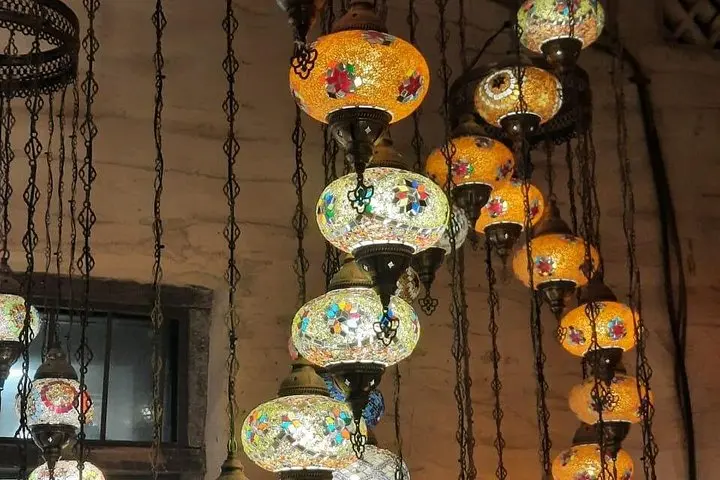
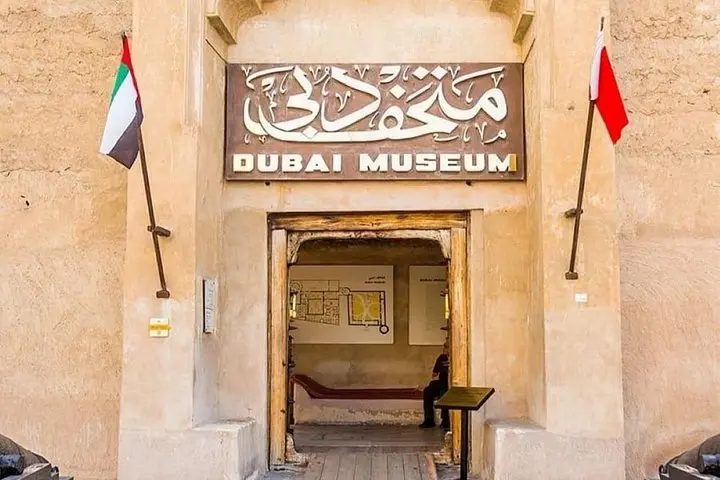
Al Fahidi Historical Neighbourhood preserves the mid-19th-century urban fabric that made Dubai a pearling and trading hub. The Creek itself is a tidal inlet carved into recent Holocene sediment — every tide redraws the shoreline that defined the emirate’s early economy. Wander past restored courtyard homes, the Coffee Museum, and the old souks where spices, textiles, and gold trade track layers of migration and commerce.
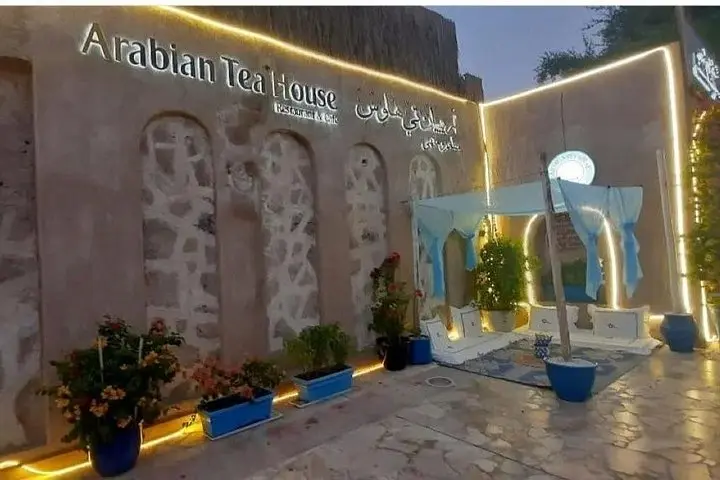
Culturally, this area still operates on personal exchange: markets favor negotiation, and small cafés serve blends with centuries-old preparation methods. The Abra ride is practical and fast—boats run every few minutes and are the simplest way to cross the Creek.
Practical guidance: plan a morning or late-afternoon start to avoid peak heat, bring sun protection and comfortable shoes for cobbled lanes, and carry small bills for souk purchases. Photography is welcomed in public spaces but be discreet around people and private homes. The route is largely flat and suitable for most fitness levels; expect four hours to move at an easy pace with short stops at museums and markets. Finally, respect local customs on dress and behavior to keep the focus on discovery rather than disruption.
The guided itinerary runs about four hours, including short stops at museums, souks, and an abra crossing.
Yes—this route is stroller-accessible and described as physically easy, though some alleys are narrow.
This walking tour includes exterior visits and context; individual museum admissions may require separate tickets.
Guides commonly operate in English; check the booking page or contact the operator for other language options.
AW Tourism operates guided outdoor trips and adventures with an emphasis on safety, stewardship, and memorable experiences.
The tour begins on the water: a small wooden abra cuts across Dubai Creek, and the city’s two halves peel away as you glide under low bridges. Salt-sweet air and the shout of market vendors fill the short crossing, then you step into narrow alleys between low wind-tower houses where shadows keep the heat at bay.
The tour begins on the water: a small wooden abra cuts across Dubai Creek, and the city’s two halves peel away as you glide under low bridges. Salt-sweet air and the shout of market vendors fill the short crossing, then you step into narrow alleys between low wind-tower houses where shadows keep the heat at bay.
Al Fahidi Historical Neighbourhood preserves the mid-19th-century urban fabric that made Dubai a pearling and trading hub. The Creek itself is a tidal inlet carved into recent Holocene sediment — every tide redraws the shoreline that defined the emirate’s early economy. Wander past restored courtyard homes, the Coffee Museum, and the old souks where spices, textiles, and gold trade track layers of migration and commerce.
Culturally, this area still operates on personal exchange: markets favor negotiation, and small cafés serve blends with centuries-old preparation methods. The Abra ride is practical and fast—boats run every few minutes and are the simplest way to cross the Creek.
Practical guidance: plan a morning or late-afternoon start to avoid peak heat, bring sun protection and comfortable shoes for cobbled lanes, and carry small bills for souk purchases. Photography is welcomed in public spaces but be discreet around people and private homes. The route is largely flat and suitable for most fitness levels; expect four hours to move at an easy pace with short stops at museums and markets. Finally, respect local customs on dress and behavior to keep the focus on discovery rather than disruption.