THE ADVENTURE COLLECTIVE® · Independent discovery and booking for outdoor travel

Walk Al Fahidi’s shaded lanes, taste cardamom coffee at the Coffee Museum, cross Dubai Creek by abra, and browse textile, spice and gold souks on a 3.5-hour private historical tour. Discover the trading roots that shaped modern Dubai while getting practical tips for navigating markets and heat.
Walk Al Fahidi’s shaded lanes, taste cardamom coffee at the Coffee Museum, cross Dubai Creek by abra, and browse textile, spice and gold souks on a 3.5-hour private historical tour. Discover the trading roots that shaped modern Dubai while getting practical tips for navigating markets and heat.
You step from a humid, modern street into a cool maze of limestone lanes; wind towers lean over narrow courtyards where shade gathers like a quiet companion. The afternoon light slides along ochre plaster as your guide leads you through Al Fahidi’s alleys toward the Coffee Museum, where cardamom-scented Arabic coffee is poured and dates are passed around.
Verified experiences and guided adventures in the surrounding area.
Operated by Noha · Dubai, Dubai
You step from a humid, modern street into a cool maze of limestone lanes; wind towers lean over narrow courtyards where shade gathers like a quiet companion. The afternoon light slides along ochre plaster as your guide leads you through Al Fahidi’s alleys toward the Coffee Museum, where cardamom-scented Arabic coffee is poured and dates are passed around.
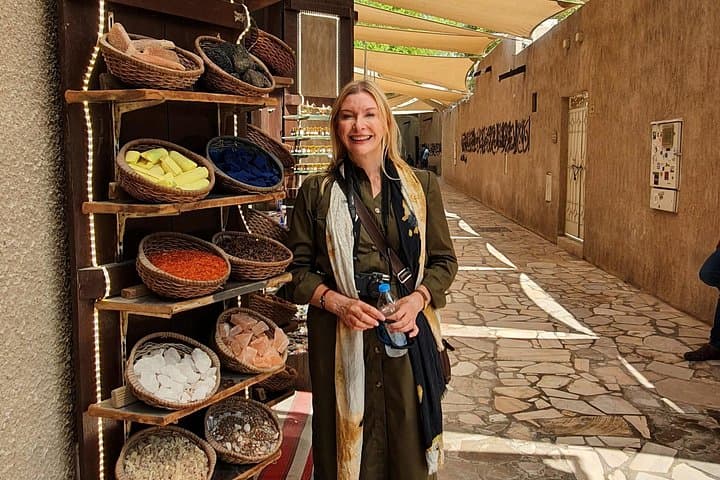
This is Old Dubai: a working port turned trading hub whose story runs from pearling and dhow voyages to the 18th-century Al Fahidi Fort, now the Dubai Museum. Geology here is subtle—sand, rock and tidal creek shaping commerce rather than peaks—and the Creek itself still cleaves the city, its wooden abras ferrying people as they have for generations. Culture reveals itself in bazaars: silks in the Textile Souk, the pungent spice piles, and the glitter of the Gold Souk, all set against a backdrop of Emirati architecture and Persian-influenced wind towers.
Practical side: the tour is about 3.5 hours on foot over mostly flat, paved surfaces with many stops and an abra crossing. Wear breathable shoes and sun protection; expect occasional crowds and tight market aisles. Bring cash for small purchases, and plan for heat—mornings or late afternoons are more comfortable. The route is stroller accessible and public transport is nearby. This private guided walk mixes sensory discovery with historical context, offering a compact, walkable primer on how Dubai’s trading past shaped its present. Ideal for travelers who want texture and stories rather than skyline selfies.
The tour lasts approximately 3.5 hours (210 minutes) with multiple stops including a Coffee Museum visit and an abra crossing.
The tour is stroller accessible and primarily on flat, paved surfaces, though some souk areas can be crowded and narrow.
Yes—entrance to included sites, traditional Arabic coffee and date tasting, abra ticket and listed fees are provided as noted in the itinerary.
Light, modest clothing that covers shoulders and knees is respectful in market areas; breathable fabrics and comfortable shoes are recommended.
Noha operates guided outdoor trips and adventures with an emphasis on safety, stewardship, and memorable experiences.

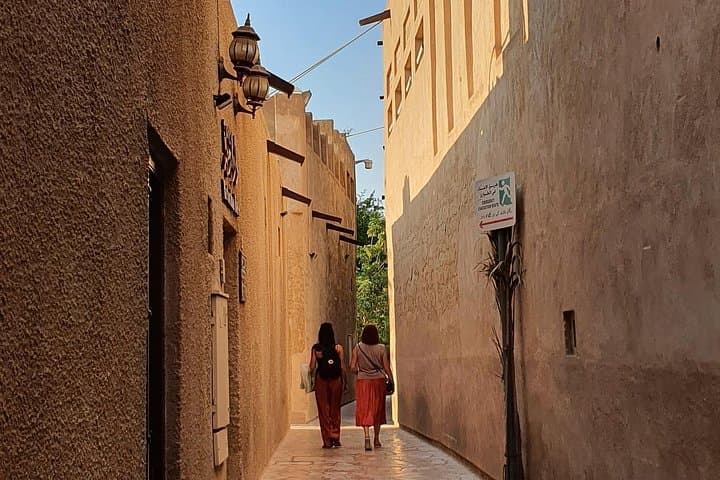

You step from a humid, modern street into a cool maze of limestone lanes; wind towers lean over narrow courtyards where shade gathers like a quiet companion. The afternoon light slides along ochre plaster as your guide leads you through Al Fahidi’s alleys toward the Coffee Museum, where cardamom-scented Arabic coffee is poured and dates are passed around.
You step from a humid, modern street into a cool maze of limestone lanes; wind towers lean over narrow courtyards where shade gathers like a quiet companion. The afternoon light slides along ochre plaster as your guide leads you through Al Fahidi’s alleys toward the Coffee Museum, where cardamom-scented Arabic coffee is poured and dates are passed around.
This is Old Dubai: a working port turned trading hub whose story runs from pearling and dhow voyages to the 18th-century Al Fahidi Fort, now the Dubai Museum. Geology here is subtle—sand, rock and tidal creek shaping commerce rather than peaks—and the Creek itself still cleaves the city, its wooden abras ferrying people as they have for generations. Culture reveals itself in bazaars: silks in the Textile Souk, the pungent spice piles, and the glitter of the Gold Souk, all set against a backdrop of Emirati architecture and Persian-influenced wind towers.
Practical side: the tour is about 3.5 hours on foot over mostly flat, paved surfaces with many stops and an abra crossing. Wear breathable shoes and sun protection; expect occasional crowds and tight market aisles. Bring cash for small purchases, and plan for heat—mornings or late afternoons are more comfortable. The route is stroller accessible and public transport is nearby. This private guided walk mixes sensory discovery with historical context, offering a compact, walkable primer on how Dubai’s trading past shaped its present. Ideal for travelers who want texture and stories rather than skyline selfies.