THE ADVENTURE COLLECTIVE® · Independent discovery and booking for outdoor travel

Walk Al Fahidi’s shaded lanes, cross Dubai Creek by abra and explore spice and gold souks with a local guide. This three-hour tour blends history, architecture and practical local knowledge for first-time visitors.
Walk Al Fahidi’s shaded lanes, cross Dubai Creek by abra and explore spice and gold souks with a local guide. This three-hour tour blends history, architecture and practical local knowledge for first-time visitors.
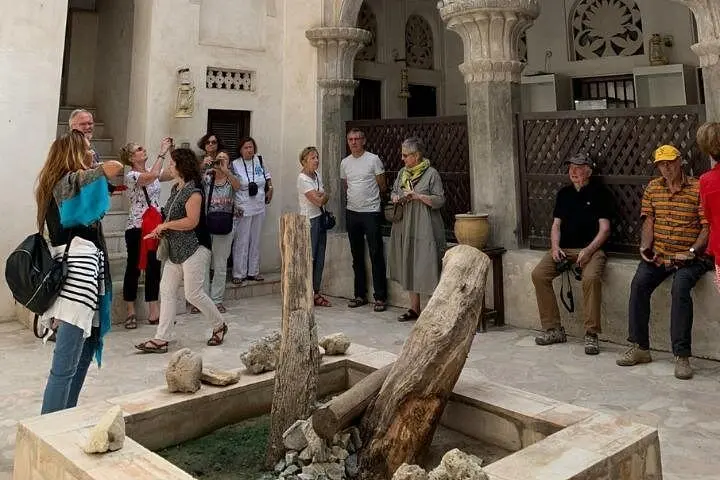
You step off a low wooden abra and the creek exhales salt and diesel; the city behind you hums, while ahead the narrow lanes of Al Fahidi Historical Neighbourhood squeeze sunlight into shaded courtyards. Wind towers rise like quiet machines, ochre plaster and carved wooden doors marking houses that once sheltered merchants and sea-faring families.
Verified experiences and guided adventures in the surrounding area.
Operated by Narmin Abdel Aziz · Dubai, Dubai
You step off a low wooden abra and the creek exhales salt and diesel; the city behind you hums, while ahead the narrow lanes of Al Fahidi Historical Neighbourhood squeeze sunlight into shaded courtyards. Wind towers rise like quiet machines, ochre plaster and carved wooden doors marking houses that once sheltered merchants and sea-faring families.
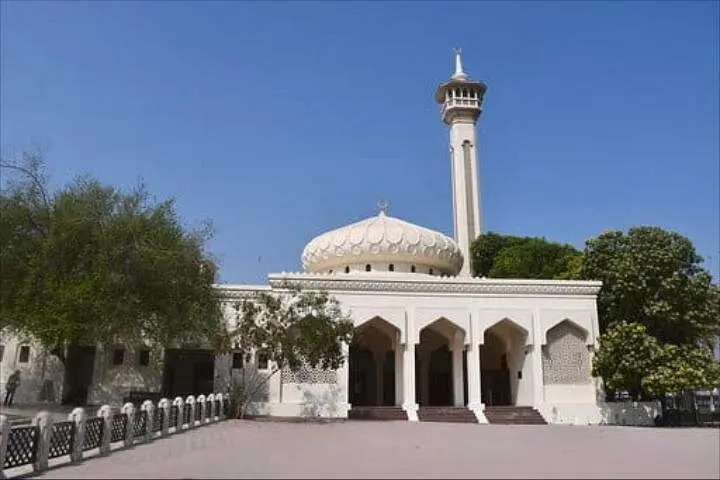
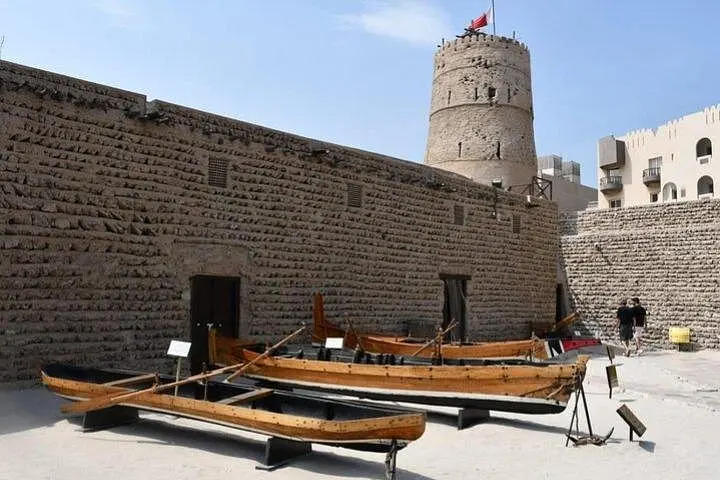
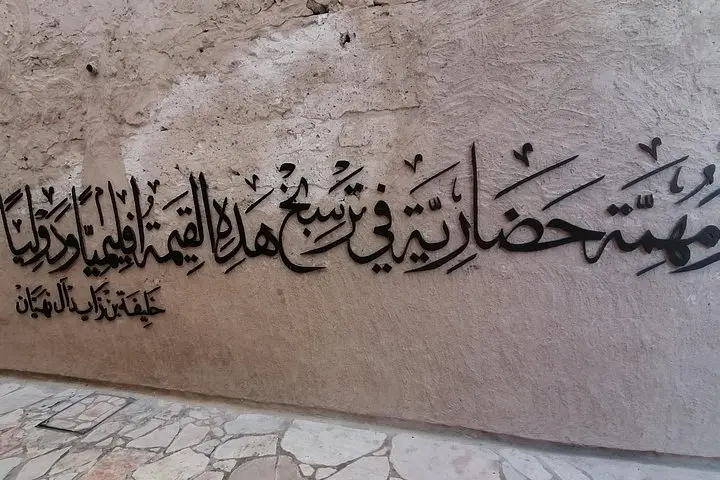
This three-hour guided walk threads history, architecture and daily life. The route usually includes Al Fahidi’s restored courtyard homes, the fort that houses Dubai Museum, a passing view of a Hindu temple, then across Dubai Creek by abra to the spice and gold souks. Geologically the creek cut a tidal estuary through arid plain; culturally it became the artery for pearling and trade that built Dubai’s first neighborhoods. Look for coral-stone foundations and gypsum mortars in older walls — simple materials, resilient in a hot, salty climate.
Plan practically: the route is flat and mostly paved, covering roughly 2–3 km at an easy pace with frequent stops. Mornings are best for cooler temperatures and stronger light for photos; mid-summer afternoons can be hot. Bring sun protection, a refillable water bottle and some small bills for souk purchases and the abra fare. Dress respectfully for a conservative, working neighborhood and follow your guide’s lead in negotiations at shops.
This tour pairs cultural context with immediate sensory detail — the scent of spices, the clack of wooden shutters and the creek’s steady pull — making old Dubai legible and walkable for first-time visitors.
The tour is about three hours and covers roughly 2–3 km at an easy pace with multiple stops for sights and explanations.
Yes—abra fees are included; the wooden boat crossing across Dubai Creek lasts just a few minutes and provides a direct link to the souks.
Yes; the route is flat and labeled physically easy, but participants should be comfortable walking short distances and standing during stops.
Lightweight, modest clothing that covers shoulders and knees is recommended, plus sun protection and small bills for purchases.
Narmin Abdel Aziz operates guided outdoor trips and adventures with an emphasis on safety, stewardship, and memorable experiences.
You step off a low wooden abra and the creek exhales salt and diesel; the city behind you hums, while ahead the narrow lanes of Al Fahidi Historical Neighbourhood squeeze sunlight into shaded courtyards. Wind towers rise like quiet machines, ochre plaster and carved wooden doors marking houses that once sheltered merchants and sea-faring families.
You step off a low wooden abra and the creek exhales salt and diesel; the city behind you hums, while ahead the narrow lanes of Al Fahidi Historical Neighbourhood squeeze sunlight into shaded courtyards. Wind towers rise like quiet machines, ochre plaster and carved wooden doors marking houses that once sheltered merchants and sea-faring families.
This three-hour guided walk threads history, architecture and daily life. The route usually includes Al Fahidi’s restored courtyard homes, the fort that houses Dubai Museum, a passing view of a Hindu temple, then across Dubai Creek by abra to the spice and gold souks. Geologically the creek cut a tidal estuary through arid plain; culturally it became the artery for pearling and trade that built Dubai’s first neighborhoods. Look for coral-stone foundations and gypsum mortars in older walls — simple materials, resilient in a hot, salty climate.
Plan practically: the route is flat and mostly paved, covering roughly 2–3 km at an easy pace with frequent stops. Mornings are best for cooler temperatures and stronger light for photos; mid-summer afternoons can be hot. Bring sun protection, a refillable water bottle and some small bills for souk purchases and the abra fare. Dress respectfully for a conservative, working neighborhood and follow your guide’s lead in negotiations at shops.
This tour pairs cultural context with immediate sensory detail — the scent of spices, the clack of wooden shutters and the creek’s steady pull — making old Dubai legible and walkable for first-time visitors.