THE ADVENTURE COLLECTIVE® · Independent discovery and booking for outdoor travel

Walk Al Fahidi’s storied alleys, glide across Dubai Creek on a traditional abra, and taste gahwa at the Coffee Museum—this 4–5 hour small-group tour pairs local stories with iconic sights. Learn practical tips for dress, timing, and making the most of the souks.
Walk Al Fahidi’s storied alleys, glide across Dubai Creek on a traditional abra, and taste gahwa at the Coffee Museum—this 4–5 hour small-group tour pairs local stories with iconic sights. Learn practical tips for dress, timing, and making the most of the souks.
You step off the air-conditioned vehicle into a lane where wind towers lean like quiet elders over sun-warmed plaster walls. Narrow alleys in Al Fahidi open into courtyards where the past feels tactile—the scent of cardamom and roasted coffee follows you as traders’ routes reassert themselves beneath your feet.
Verified experiences and guided adventures in the surrounding area.
Operated by Zee · Dubai, Dubai
You step off the air-conditioned vehicle into a lane where wind towers lean like quiet elders over sun-warmed plaster walls. Narrow alleys in Al Fahidi open into courtyards where the past feels tactile—the scent of cardamom and roasted coffee follows you as traders’ routes reassert themselves beneath your feet.
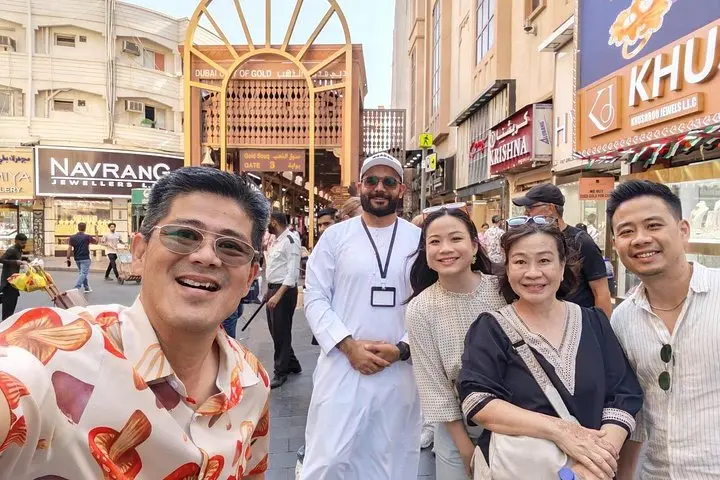
This small-group walking tour threads Dubai’s living history: Al Fahidi Historical Neigborhood’s restored coral-stone houses and wind towers that speak to pre-oil architecture; the Coffee Museum’s cups and tools that map trade routes; abra crossings over Dubai Creek that trace the city’s mercantile spine; and the aromatic stalls of the Spice Souk and glittering aisles of the Gold Souk where commerce still drives the pulse.
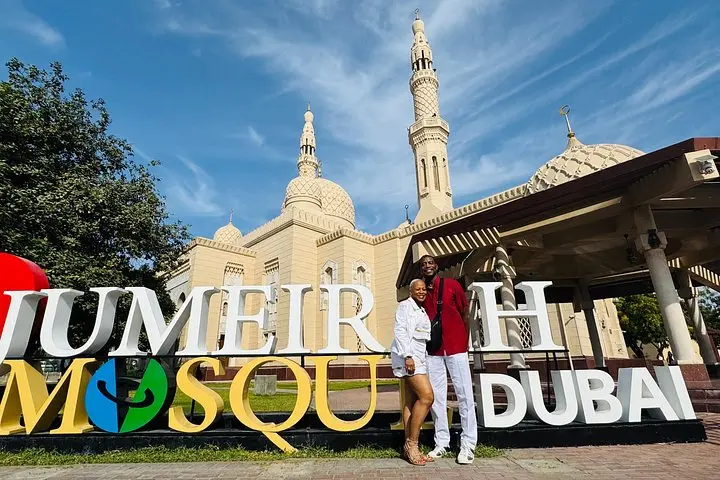
Jumeirah Mosque offers a final chapter of cultural context—white stone and horseshoe arches that illustrate modern Emirati identity shaped by Islamic art and trade wealth. The area’s geology is coastal sediment and reclaimed creek banks; history here is recent and rapid, shifting from pearling and trade to global finance over a century.
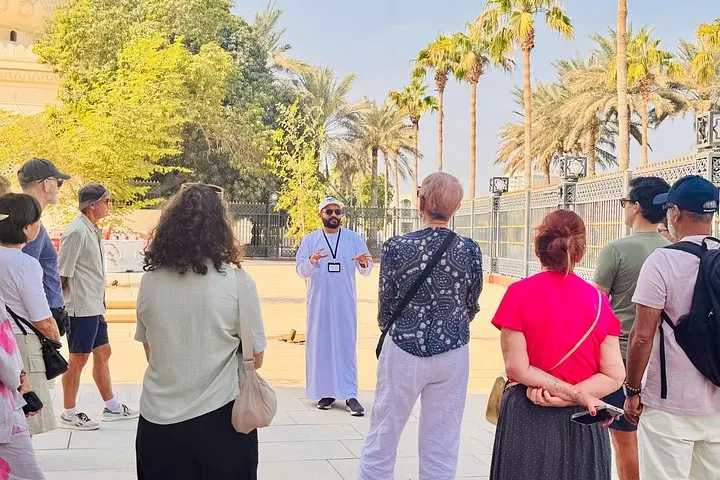
Practical guidance: expect 4–5 hours with mostly flat walking on paved lanes and occasional uneven cobbles. Dress modestly for mosque entry (shoulders and knees covered); comfortable walking shoes and sun protection are essential. Carry a refillable water bottle—bottled water is typically provided on the tour, but hydration is key in Dubai’s climate. Morning or late-afternoon departures are best for cooler light and to avoid midday heat. Bring small cash for souk purchases and practice haggling courteously—sellers expect it. With local stories from a born-and-raised guide and a max group of six, the route balances iconic stops with quieter local corners.
Yes—this tour includes entry fees for scheduled stops and the traditional abra crossing across Dubai Creek.
Visitors should cover shoulders and knees; women may be asked to wear an abaya or bring a shawl—modest, lightweight layers work best.
Yes—infants and small children can use a stroller; the tour is rated easy and suitable for a wide range of ages.
The tour runs about 240–300 minutes (4–5 hours) and is limited to a maximum of six people for a small-group experience.
Zee operates guided outdoor trips and adventures with an emphasis on safety, stewardship, and memorable experiences.
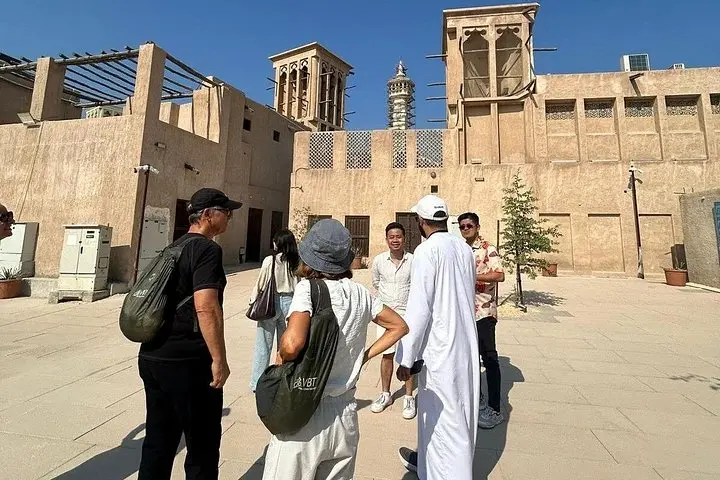
You step off the air-conditioned vehicle into a lane where wind towers lean like quiet elders over sun-warmed plaster walls. Narrow alleys in Al Fahidi open into courtyards where the past feels tactile—the scent of cardamom and roasted coffee follows you as traders’ routes reassert themselves beneath your feet.
You step off the air-conditioned vehicle into a lane where wind towers lean like quiet elders over sun-warmed plaster walls. Narrow alleys in Al Fahidi open into courtyards where the past feels tactile—the scent of cardamom and roasted coffee follows you as traders’ routes reassert themselves beneath your feet.
This small-group walking tour threads Dubai’s living history: Al Fahidi Historical Neigborhood’s restored coral-stone houses and wind towers that speak to pre-oil architecture; the Coffee Museum’s cups and tools that map trade routes; abra crossings over Dubai Creek that trace the city’s mercantile spine; and the aromatic stalls of the Spice Souk and glittering aisles of the Gold Souk where commerce still drives the pulse.
Jumeirah Mosque offers a final chapter of cultural context—white stone and horseshoe arches that illustrate modern Emirati identity shaped by Islamic art and trade wealth. The area’s geology is coastal sediment and reclaimed creek banks; history here is recent and rapid, shifting from pearling and trade to global finance over a century.
Practical guidance: expect 4–5 hours with mostly flat walking on paved lanes and occasional uneven cobbles. Dress modestly for mosque entry (shoulders and knees covered); comfortable walking shoes and sun protection are essential. Carry a refillable water bottle—bottled water is typically provided on the tour, but hydration is key in Dubai’s climate. Morning or late-afternoon departures are best for cooler light and to avoid midday heat. Bring small cash for souk purchases and practice haggling courteously—sellers expect it. With local stories from a born-and-raised guide and a max group of six, the route balances iconic stops with quieter local corners.