THE ADVENTURE COLLECTIVE® · Independent discovery and booking for outdoor travel

Walk from Al Fahidi’s wind-towered lanes to the bustling abra crossings of Dubai Creek. This three-hour guided tour mixes living history, market bargaining, and a short traditional boat ride across to Deira’s spice and gold souks.
Walk from Al Fahidi’s wind-towered lanes to the bustling abra crossings of Dubai Creek. This three-hour guided tour mixes living history, market bargaining, and a short traditional boat ride across to Deira’s spice and gold souks.
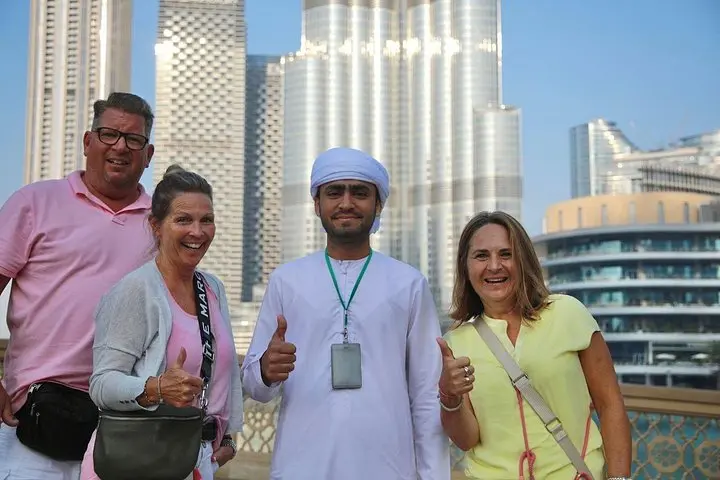
The morning air along Dubai Creek is both sharp with salt and warm with sun. You meet at Sharaf DG metro exit 4, step into alleys that narrow like chapters folding in on themselves, and feel the city change from glass-and-steel to low coral-stone houses with wind towers that catch the desert breeze.
Verified experiences and guided adventures in the surrounding area.
Operated by Asjad Ali Malik · Dubai, Dubai
The morning air along Dubai Creek is both sharp with salt and warm with sun. You meet at Sharaf DG metro exit 4, step into alleys that narrow like chapters folding in on themselves, and feel the city change from glass-and-steel to low coral-stone houses with wind towers that catch the desert breeze.
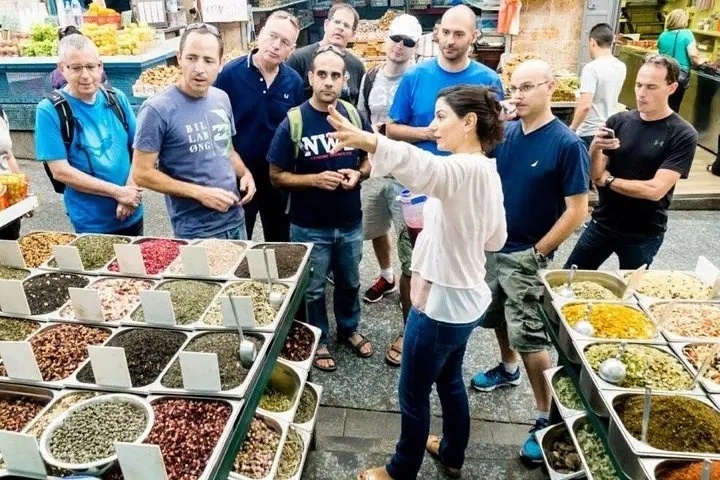
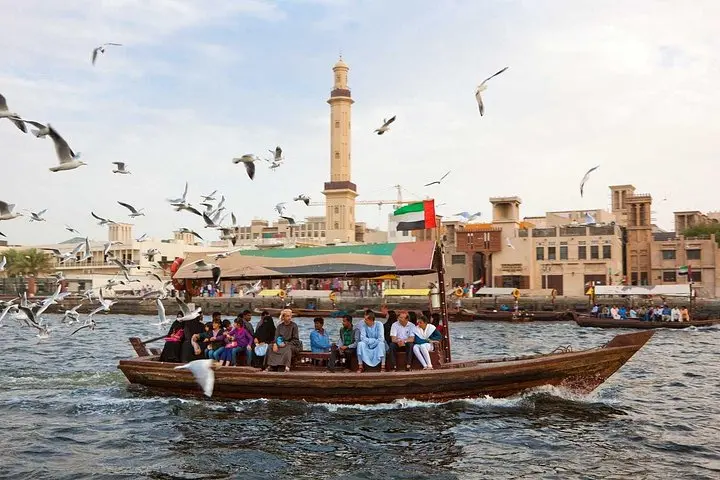
This three-hour walk threads Al Fahidi (Bastakiya), a preserved quarter that predates the United Arab Emirates and recalls Dubai’s era as a pearl and textile trading port. The creek itself is a tidal inlet carved by centuries of trade, where dhows still cut the water and abrashuttles ferry merchants and shoppers across to Deira. The Gold Souk and Spice Souk preserve commercial customs: precision bargaining, stalls stacked with saffron and cumin, and windows glittering with karat gold.
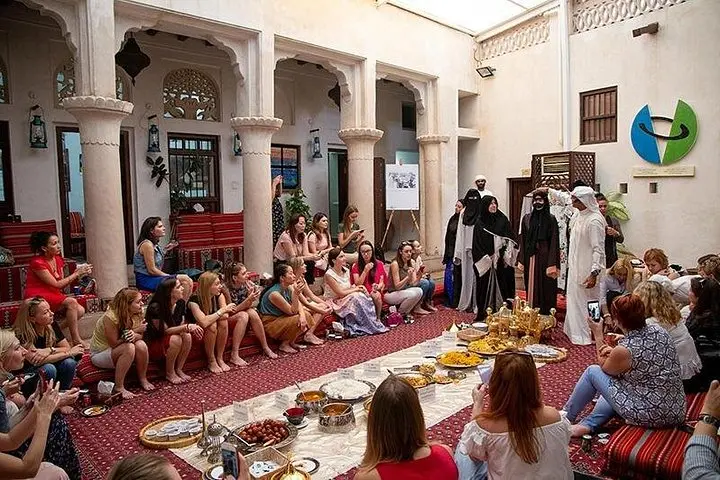
Culturally, you’ll pass the Coffee Museum’s courtyard and the Dubai Museum area, learning how wind towers, courtyards, and trading families shaped life before oil. Geologically, the creek’s sediment and reclamation projects explain Dubai’s flat, sea-level landscape and rapid shoreline changes.
Practical notes: the route is mostly flat paved streets and packed-sand alleys—comfortable shoes and sun protection matter. Expect close crowds in market lanes and step aboard an abra for a short crossing; bring small bills for purchases and the boat. Tours usually start mid-morning to avoid peak heat and end near Al Ras Metro, making public transport convenient. Carry water, wear breathable layers, and leave room in your bag for small purchases—this is equal parts history lesson and urban scavenger hunt.
Meet at Sharaf DG metro station exit 4; the tour typically finishes near Al Ras metro station exit 2 for easy public transport connections.
Yes—the short traditional abra crossing across Dubai Creek is part of the itinerary and operated by licensed boatmen; life jackets are not typical for short crossings but the boats are stable and frequently used by locals.
Some stops are exterior or walking commentary only; entrance fees (if any) for museums should be confirmed with the operator prior to booking.
The tour notes indicate stroller access is possible, but narrow lanes and crowds may make navigation slower—travelers with infants should plan accordingly.
Asjad Ali Malik operates guided outdoor trips and adventures with an emphasis on safety, stewardship, and memorable experiences.
The morning air along Dubai Creek is both sharp with salt and warm with sun. You meet at Sharaf DG metro exit 4, step into alleys that narrow like chapters folding in on themselves, and feel the city change from glass-and-steel to low coral-stone houses with wind towers that catch the desert breeze.
The morning air along Dubai Creek is both sharp with salt and warm with sun. You meet at Sharaf DG metro exit 4, step into alleys that narrow like chapters folding in on themselves, and feel the city change from glass-and-steel to low coral-stone houses with wind towers that catch the desert breeze.
This three-hour walk threads Al Fahidi (Bastakiya), a preserved quarter that predates the United Arab Emirates and recalls Dubai’s era as a pearl and textile trading port. The creek itself is a tidal inlet carved by centuries of trade, where dhows still cut the water and abrashuttles ferry merchants and shoppers across to Deira. The Gold Souk and Spice Souk preserve commercial customs: precision bargaining, stalls stacked with saffron and cumin, and windows glittering with karat gold.
Culturally, you’ll pass the Coffee Museum’s courtyard and the Dubai Museum area, learning how wind towers, courtyards, and trading families shaped life before oil. Geologically, the creek’s sediment and reclamation projects explain Dubai’s flat, sea-level landscape and rapid shoreline changes.
Practical notes: the route is mostly flat paved streets and packed-sand alleys—comfortable shoes and sun protection matter. Expect close crowds in market lanes and step aboard an abra for a short crossing; bring small bills for purchases and the boat. Tours usually start mid-morning to avoid peak heat and end near Al Ras Metro, making public transport convenient. Carry water, wear breathable layers, and leave room in your bag for small purchases—this is equal parts history lesson and urban scavenger hunt.