THE ADVENTURE COLLECTIVE® · Independent discovery and booking for outdoor travel

Walk the tight lanes of Al Fahidi with a private guide, sampling karak and street snacks while tracing Dubai’s trading past. This 90–120 minute tour mixes heritage houses, souks and an abra ride for a compact primer on Old Dubai.
Walk the tight lanes of Al Fahidi with a private guide, sampling karak and street snacks while tracing Dubai’s trading past. This 90–120 minute tour mixes heritage houses, souks and an abra ride for a compact primer on Old Dubai.
Dawn light threads through narrow lanes of Al Fahidi as the guide leads you under wooden wind towers and past low stone houses. The air holds cardamom and frying dough; shopkeepers roll shutters and the creek calls with the low slap of keels against wooden dhows. On a 90–120 minute private walk, the neighborhood unfolds like a living map of Dubai’s origins: tight streets, hidden courtyards and a constant human bustle that never feels rushed.
Verified experiences and guided adventures in the surrounding area.
Operated by KEY 2 DESTINATIONS · Dubai, Dubai
Dawn light threads through narrow lanes of Al Fahidi as the guide leads you under wooden wind towers and past low stone houses. The air holds cardamom and frying dough; shopkeepers roll shutters and the creek calls with the low slap of keels against wooden dhows. On a 90–120 minute private walk, the neighborhood unfolds like a living map of Dubai’s origins: tight streets, hidden courtyards and a constant human bustle that never feels rushed.
This quarter grew where freshwater creeks met trade routes, a practical choice that turned Dubai into a regional trading hub. Geology here is simple—sandy substrate and reclaimed creek edges—so architecture and culture tell most of the story: wind towers for passive cooling, merchant houses for family-run trade, and souks that still barter over spices, textiles and gold.
Expect a mix of paved alleys, cobblestone pockets and occasional ramps; the route is largely flat and accessible but can be uneven in older sections. The guide pauses at key spots—heritage houses, a mosque courtyard, an abra crossing—to explain history and point out local rituals. Snacks are local and straightforward: karak tea, sambousek and luqaimat, sold at street stalls and small cafés.
Practical edge: start early or after 4pm to avoid heat, carry water and small change for purchases and abra rides, and wear comfortable shoes that handle short cobbles. The tour is private and tailored—good for first-time visitors wanting orientation, shoppers hunting textiles, or anyone curious about how a trading creek became a global city.
The operator notes wheelchair and stroller accessibility; older lanes can be uneven so check with the guide about route adjustments.
Some tastings may be included depending on booking details, but bring small cash for additional snacks or purchases.
Private guides commonly offer English and may provide other languages on request; confirm language when booking.
Full refund if cancelled at least 24 hours before departure; check your booking for specifics on weather or low-participant cancellations.
KEY 2 DESTINATIONS operates guided outdoor trips and adventures with an emphasis on safety, stewardship, and memorable experiences.

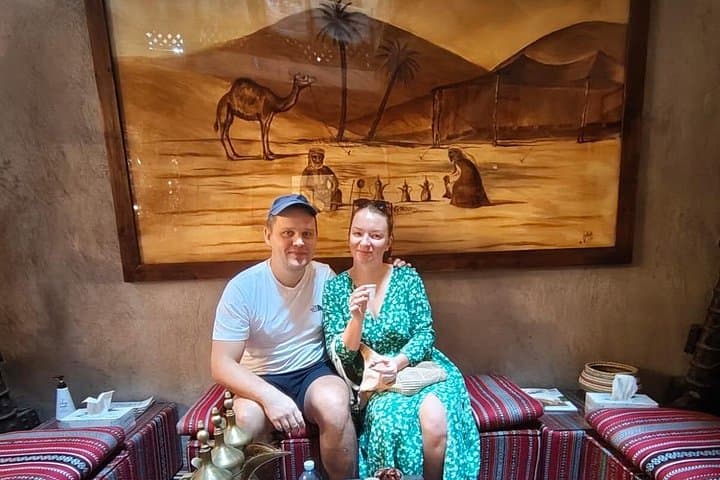
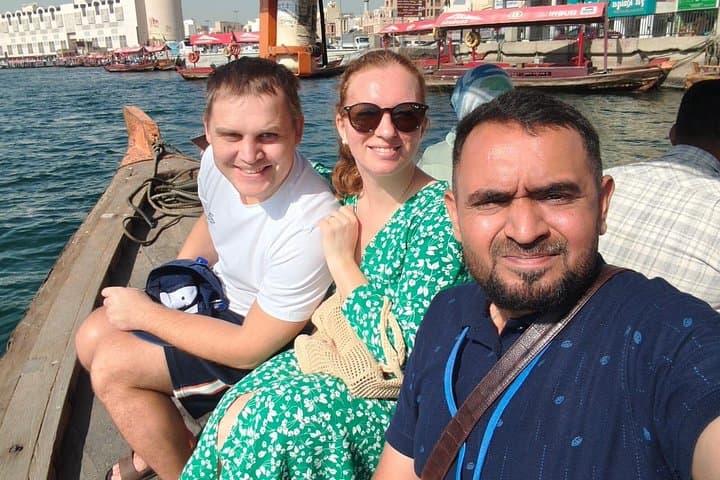

Dawn light threads through narrow lanes of Al Fahidi as the guide leads you under wooden wind towers and past low stone houses. The air holds cardamom and frying dough; shopkeepers roll shutters and the creek calls with the low slap of keels against wooden dhows. On a 90–120 minute private walk, the neighborhood unfolds like a living map of Dubai’s origins: tight streets, hidden courtyards and a constant human bustle that never feels rushed.
Dawn light threads through narrow lanes of Al Fahidi as the guide leads you under wooden wind towers and past low stone houses. The air holds cardamom and frying dough; shopkeepers roll shutters and the creek calls with the low slap of keels against wooden dhows. On a 90–120 minute private walk, the neighborhood unfolds like a living map of Dubai’s origins: tight streets, hidden courtyards and a constant human bustle that never feels rushed.
This quarter grew where freshwater creeks met trade routes, a practical choice that turned Dubai into a regional trading hub. Geology here is simple—sandy substrate and reclaimed creek edges—so architecture and culture tell most of the story: wind towers for passive cooling, merchant houses for family-run trade, and souks that still barter over spices, textiles and gold.
Expect a mix of paved alleys, cobblestone pockets and occasional ramps; the route is largely flat and accessible but can be uneven in older sections. The guide pauses at key spots—heritage houses, a mosque courtyard, an abra crossing—to explain history and point out local rituals. Snacks are local and straightforward: karak tea, sambousek and luqaimat, sold at street stalls and small cafés.
Practical edge: start early or after 4pm to avoid heat, carry water and small change for purchases and abra rides, and wear comfortable shoes that handle short cobbles. The tour is private and tailored—good for first-time visitors wanting orientation, shoppers hunting textiles, or anyone curious about how a trading creek became a global city.