THE ADVENTURE COLLECTIVE® · Independent discovery and booking for outdoor travel

Trace the old trade routes of Kathmandu at your own pace with a GPS audio guide. From Sorhakhutte to Asan and Thamel, this self‑guided walk blends market life, Newar courtyards and layered history in under three hours.
Trace the old trade routes of Kathmandu at your own pace with a GPS audio guide. From Sorhakhutte to Asan and Thamel, this self‑guided walk blends market life, Newar courtyards and layered history in under three hours.
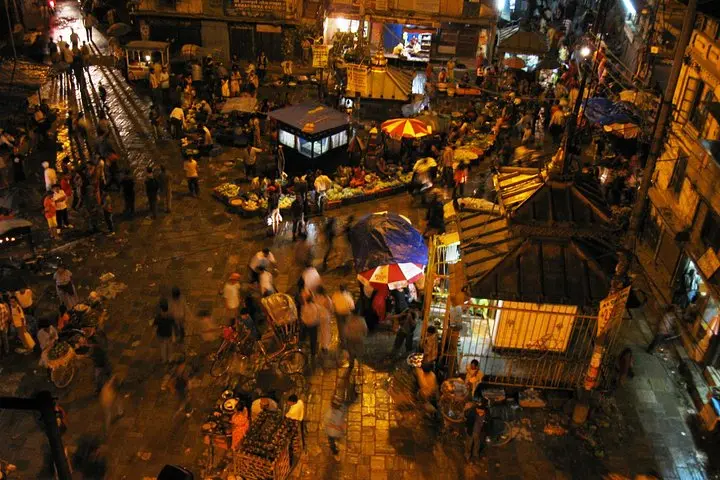
Morning light threads through narrow alleys as you tap play and step off Sorhakhutte into a city that still argues with its past. Cobbled lanes push you forward; the market at Asan announces itself with a chorus of vendors, prayer flags flapping like conversation across rooftops. The audio, voiced by Nepali writer Rabi Thapa, pulls stories from doorways — warrior kings, merchants on the trans‑Himalayan route, and mischievous tooth goddesses — layering human history over everyday commerce.
Verified experiences and guided adventures in the surrounding area.
Operated by VoiceMap Audio Tours · Kathmandu, Bagmati Province
Morning light threads through narrow alleys as you tap play and step off Sorhakhutte into a city that still argues with its past. Cobbled lanes push you forward; the market at Asan announces itself with a chorus of vendors, prayer flags flapping like conversation across rooftops. The audio, voiced by Nepali writer Rabi Thapa, pulls stories from doorways — warrior kings, merchants on the trans‑Himalayan route, and mischievous tooth goddesses — layering human history over everyday commerce.
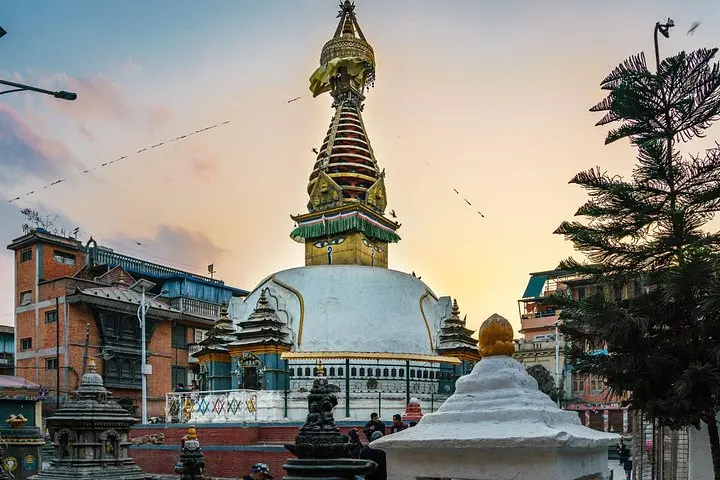
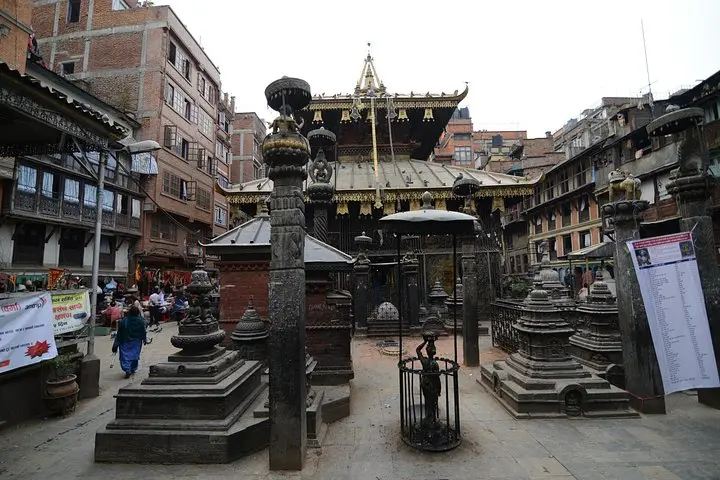
Kathmandu sits on a high intermontane plain shaped by tectonic uplift and river terraces; that geologic lift made the valley a natural crossroads for trade between India and Tibet. Thamel began life as a site of Buddhist learning before evolving into the tourist quarter it is today; Asan remains an intersection of ancient trade routes, where spices, textiles and seasonal produce converge. Temples, bahals (monastic courtyards) and chhorten punctuate the walk, offering windows into Newar culture and ritual life.
Practical guidance: download the VoiceMap app and the tour for offline use, and allow 50–150 minutes depending on stops. Expect mostly flat, paved streets and brief stair sections; the route stays within central Kathmandu so elevation change is minimal (city elevation ~1,400 m). Wear comfortable walking shoes, carry water and a small pack for purchases. Be respectful at shrines: photography rules vary and some areas require quiet or shoes off. Aim for early morning or late afternoon to avoid peak market bustle and the hottest hours; keep your belongings secure in crowded lanes.
The tour runs 50–150 minutes depending on stops; you can pause, rewind and linger at points of interest.
Bring Nepali rupees for purchases and donations; most public courtyards and markets are accessible without a guide, though some temples may ask for a small fee or have restricted areas.
Many sections are stroller‑friendly but expect narrow lanes and steps at some bahals; children should be supervised in crowded markets.
The provided tour is in English and offers lifetime access with offline download of audio, maps and geodata via the VoiceMap app.
VoiceMap Audio Tours operates guided outdoor trips and adventures with an emphasis on safety, stewardship, and memorable experiences.
Morning light threads through narrow alleys as you tap play and step off Sorhakhutte into a city that still argues with its past. Cobbled lanes push you forward; the market at Asan announces itself with a chorus of vendors, prayer flags flapping like conversation across rooftops. The audio, voiced by Nepali writer Rabi Thapa, pulls stories from doorways — warrior kings, merchants on the trans‑Himalayan route, and mischievous tooth goddesses — layering human history over everyday commerce.
Morning light threads through narrow alleys as you tap play and step off Sorhakhutte into a city that still argues with its past. Cobbled lanes push you forward; the market at Asan announces itself with a chorus of vendors, prayer flags flapping like conversation across rooftops. The audio, voiced by Nepali writer Rabi Thapa, pulls stories from doorways — warrior kings, merchants on the trans‑Himalayan route, and mischievous tooth goddesses — layering human history over everyday commerce.
Kathmandu sits on a high intermontane plain shaped by tectonic uplift and river terraces; that geologic lift made the valley a natural crossroads for trade between India and Tibet. Thamel began life as a site of Buddhist learning before evolving into the tourist quarter it is today; Asan remains an intersection of ancient trade routes, where spices, textiles and seasonal produce converge. Temples, bahals (monastic courtyards) and chhorten punctuate the walk, offering windows into Newar culture and ritual life.
Practical guidance: download the VoiceMap app and the tour for offline use, and allow 50–150 minutes depending on stops. Expect mostly flat, paved streets and brief stair sections; the route stays within central Kathmandu so elevation change is minimal (city elevation ~1,400 m). Wear comfortable walking shoes, carry water and a small pack for purchases. Be respectful at shrines: photography rules vary and some areas require quiet or shoes off. Aim for early morning or late afternoon to avoid peak market bustle and the hottest hours; keep your belongings secure in crowded lanes.