THE ADVENTURE COLLECTIVE® · Independent discovery and booking for outdoor travel

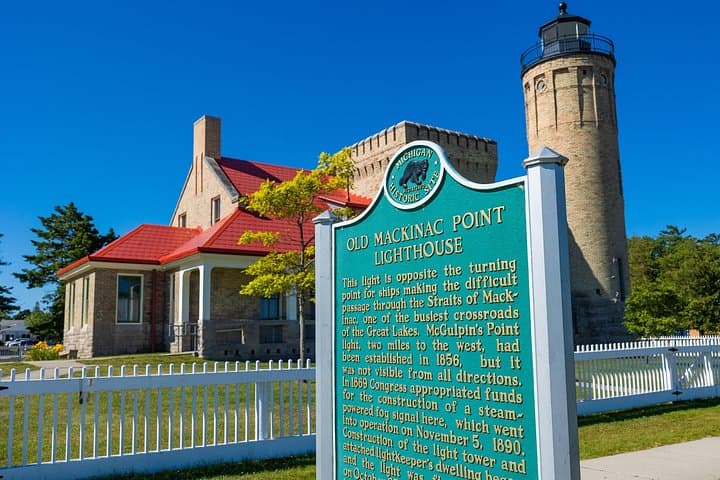
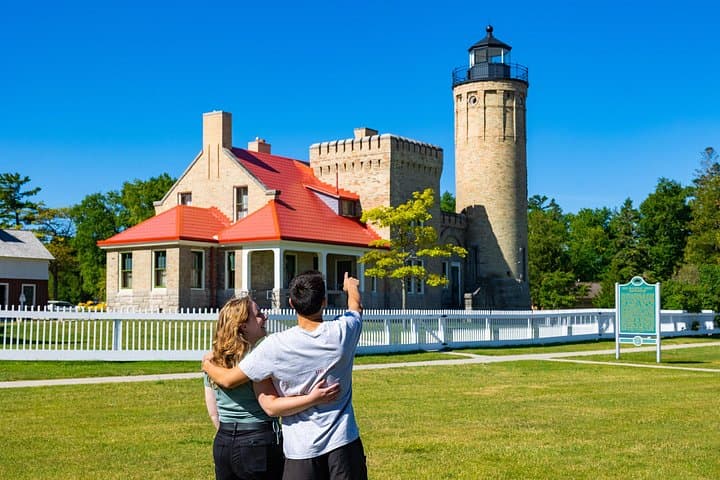
Step onto the shore where the Old Mackinac Point Lighthouse kept watch over one of North America’s busiest and most dangerous waterways. Explore restored keeper quarters, watch a historic fog signal demonstration, and climb the tower for sweeping views of the Straits and Mackinac Bridge.
Step onto the shore where the Old Mackinac Point Lighthouse kept watch over one of North America’s busiest and most dangerous waterways. Explore restored keeper quarters, watch a historic fog signal demonstration, and climb the tower for sweeping views of the Straits and Mackinac Bridge.
A brisk wind off the Straits of Mackinac lifts the edge of your jacket as you step onto the gravel path toward the low red-brick house and its iron lantern cage.
Verified experiences and guided adventures in the surrounding area.
Operated by Fort Mackinac · Mackinaw City, Michigan
A brisk wind off the Straits of Mackinac lifts the edge of your jacket as you step onto the gravel path toward the low red-brick house and its iron lantern cage.
From the shore the lighthouse stands compact and purposeful — a working answer to the sudden fog and fierce currents that turned these waters treacherous for 19th- and early-20th-century mariners. Inside, preserved rooms, lens displays and interpretive galleries place you in 1910 life: oil lamps and brass optics, the smell of salt and coal, and the steady rhythm of watchkeeping.
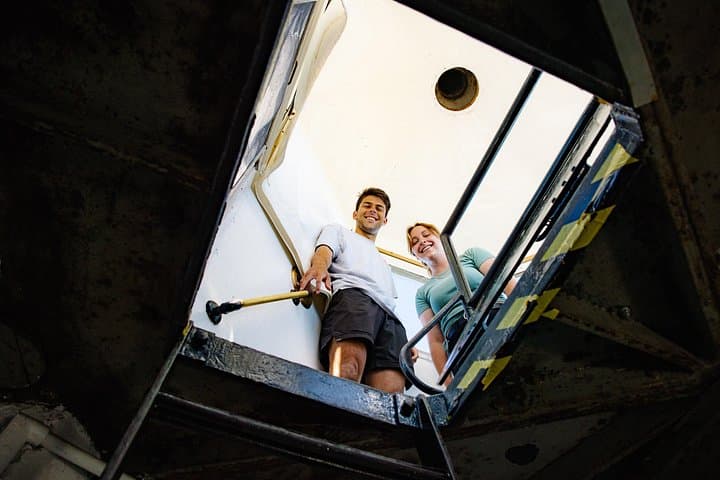
The site’s exhibits broaden the story: the Straits’ geology — shallow, shifting channels carved by glaciers — the dense shipping history, and shipwrecks now mapped on the seafloor. Costumed interpreters operate the fog signal whistle on a schedule that echoes the practical urgency of an era before GPS. Tower tours, when available, reward a short climb with panoramic views of the Mackinac Bridge and passing freighters that seem to thread the water like iron needles.
Practical note: plan 1–3 hours to explore exhibits, watch the fog whistle demo, and join a timed tower tour. The grounds are mostly level but the tower involves stairs; the house and museum are wheelchair-accessible where noted. Peak season sees steady visitor flow—arrive early for quieter exhibits and better light for photography. Bring layers against sharp straits winds, and allow time to walk the waterfront and visit the adjacent shipwreck museum for a fuller picture of marine life and maritime loss in this historic corridor.
Tower tours are included when space permits; they run on a schedule and can fill, so arrive early or check times at the visitor desk.
Most exhibits and the main house are wheelchair-accessible, but the tower requires climbing stairs and is not wheelchair-accessible.
Plan 1–3 hours to see exhibits, attend the fog signal demonstration, and join a tower tour if available.
Service animals are permitted; other pets are generally not allowed inside exhibits—confirm on-site for current policies.
Fort Mackinac operates guided outdoor trips and adventures with an emphasis on safety, stewardship, and memorable experiences.

A brisk wind off the Straits of Mackinac lifts the edge of your jacket as you step onto the gravel path toward the low red-brick house and its iron lantern cage.
A brisk wind off the Straits of Mackinac lifts the edge of your jacket as you step onto the gravel path toward the low red-brick house and its iron lantern cage.
From the shore the lighthouse stands compact and purposeful — a working answer to the sudden fog and fierce currents that turned these waters treacherous for 19th- and early-20th-century mariners. Inside, preserved rooms, lens displays and interpretive galleries place you in 1910 life: oil lamps and brass optics, the smell of salt and coal, and the steady rhythm of watchkeeping.
The site’s exhibits broaden the story: the Straits’ geology — shallow, shifting channels carved by glaciers — the dense shipping history, and shipwrecks now mapped on the seafloor. Costumed interpreters operate the fog signal whistle on a schedule that echoes the practical urgency of an era before GPS. Tower tours, when available, reward a short climb with panoramic views of the Mackinac Bridge and passing freighters that seem to thread the water like iron needles.
Practical note: plan 1–3 hours to explore exhibits, watch the fog whistle demo, and join a timed tower tour. The grounds are mostly level but the tower involves stairs; the house and museum are wheelchair-accessible where noted. Peak season sees steady visitor flow—arrive early for quieter exhibits and better light for photography. Bring layers against sharp straits winds, and allow time to walk the waterfront and visit the adjacent shipwreck museum for a fuller picture of marine life and maritime loss in this historic corridor.