THE ADVENTURE COLLECTIVE® · Independent discovery and booking for outdoor travel

Taste the coastal flavors of Old Nice on a guided walking tour that pairs socca, pissaladière, artisanal ice cream and local wine with local stories and architecture. In about 3.5 hours you’ll move through markets, ovens and centuries of culinary history.
Taste the coastal flavors of Old Nice on a guided walking tour that pairs socca, pissaladière, artisanal ice cream and local wine with local stories and architecture. In about 3.5 hours you’ll move through markets, ovens and centuries of culinary history.
A warm, sea-salted breeze meets the stone alleys of Vieux Nice as you step off the Quai des États-Unis and into a maze of narrow streets where aromas — roasting chickpea, caramelized onion, citrus and rosemary — steer the pace. The guide moves like a practiced tide, pulling the group from a century-old socca stand to a wood‑fired oven that still remembers Genoese merchants.
Verified experiences and guided adventures in the surrounding area.
Operated by eatwith · Nice, Alpes-Maritimes
A warm, sea-salted breeze meets the stone alleys of Vieux Nice as you step off the Quai des États-Unis and into a maze of narrow streets where aromas — roasting chickpea, caramelized onion, citrus and rosemary — steer the pace. The guide moves like a practiced tide, pulling the group from a century-old socca stand to a wood‑fired oven that still remembers Genoese merchants.
Old Nice was shaped by trade and empire: a Genoese port turned Provençal town with Baroque churches and tightly packed façades that record centuries of culinary layering. The geology — sun‑baked limestone and orange‑roofed hills falling to the Mediterranean — concentrates coastal produce: lemons from Menton, olives from surrounding hills, and maritime herbs that flavor local cheeses and pissaladière. Vendors, families and neighborhood storefronts reveal social history as much as the tastings do.
Expect at least five stops across roughly 3.5 hours: olive oil degustation, piping socca, cheese and charcuterie paired with Provençal wine, pissaladière from a wood oven, and artisanal ice cream and sweets. The tour blends food with short architectural pauses at churches and market stalls; it’s conversational, accessible, and largely on flat, cobbled streets.
Practical tips: wear grippy shoes for uneven cobbles, bring a light layer for sea breezes, and flag dietary restrictions before arrival. Carry a reusable water bottle and small backpack for purchases. The route is walkable for most fitness levels and runs rain or shine — though extreme weather may cancel — so plan for flexible timing and a hunger for discovery.
The tour makes at least five tasting stops, including socca, olive oil, wine and cheese pairings, pissaladière, and artisanal sweets.
Yes — the route is primarily flat and family-friendly, but participants should be comfortable walking for about 3–4 hours with short breaks.
Yes — guests may bring beverages; the tour provides bottled water and some alcohol tastings are included.
You should communicate restrictions at booking so the guide can alter stops when possible; major allergies should be flagged in advance.
eatwith operates guided outdoor trips and adventures with an emphasis on safety, stewardship, and memorable experiences.
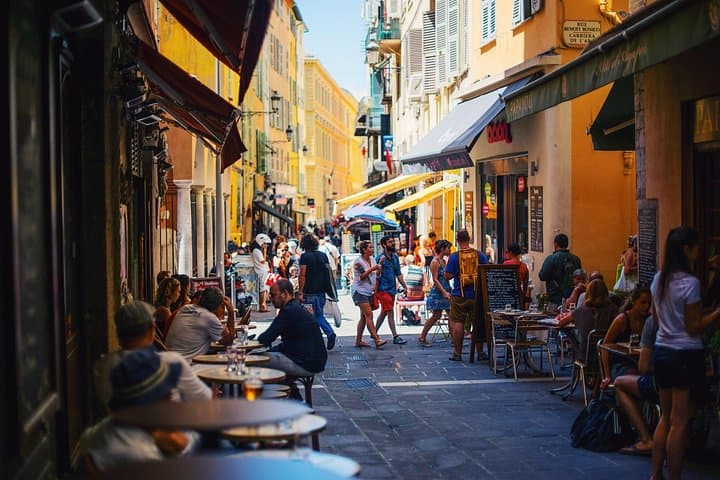
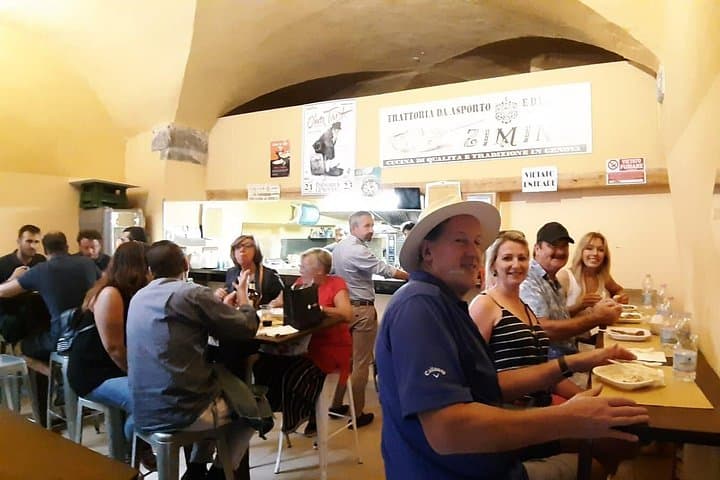
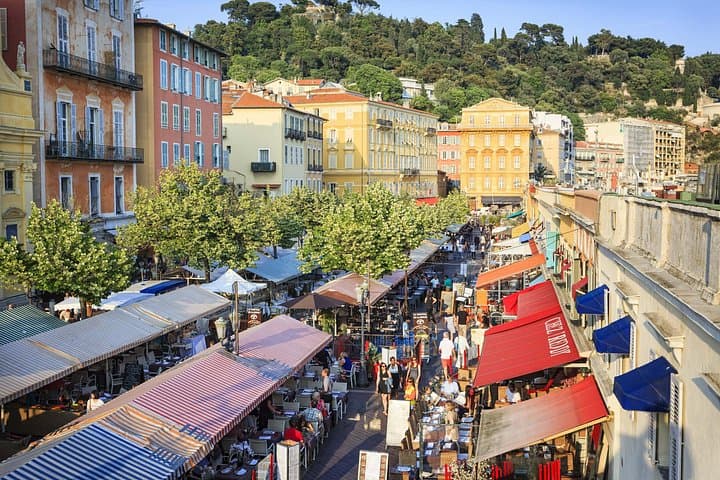
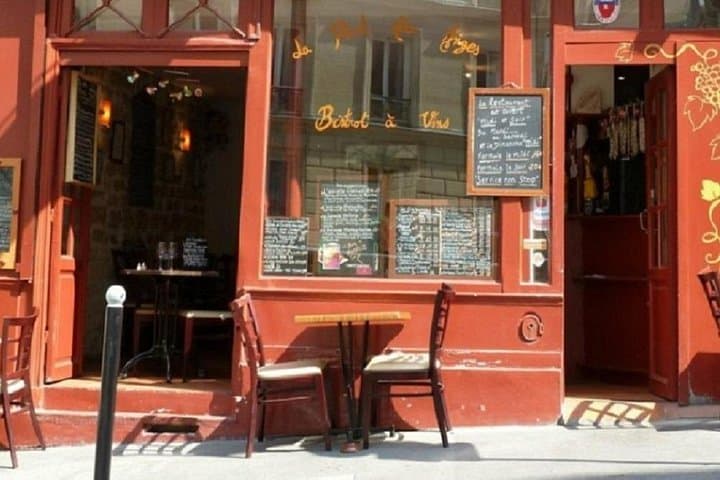
A warm, sea-salted breeze meets the stone alleys of Vieux Nice as you step off the Quai des États-Unis and into a maze of narrow streets where aromas — roasting chickpea, caramelized onion, citrus and rosemary — steer the pace. The guide moves like a practiced tide, pulling the group from a century-old socca stand to a wood‑fired oven that still remembers Genoese merchants.
A warm, sea-salted breeze meets the stone alleys of Vieux Nice as you step off the Quai des États-Unis and into a maze of narrow streets where aromas — roasting chickpea, caramelized onion, citrus and rosemary — steer the pace. The guide moves like a practiced tide, pulling the group from a century-old socca stand to a wood‑fired oven that still remembers Genoese merchants.
Old Nice was shaped by trade and empire: a Genoese port turned Provençal town with Baroque churches and tightly packed façades that record centuries of culinary layering. The geology — sun‑baked limestone and orange‑roofed hills falling to the Mediterranean — concentrates coastal produce: lemons from Menton, olives from surrounding hills, and maritime herbs that flavor local cheeses and pissaladière. Vendors, families and neighborhood storefronts reveal social history as much as the tastings do.
Expect at least five stops across roughly 3.5 hours: olive oil degustation, piping socca, cheese and charcuterie paired with Provençal wine, pissaladière from a wood oven, and artisanal ice cream and sweets. The tour blends food with short architectural pauses at churches and market stalls; it’s conversational, accessible, and largely on flat, cobbled streets.
Practical tips: wear grippy shoes for uneven cobbles, bring a light layer for sea breezes, and flag dietary restrictions before arrival. Carry a reusable water bottle and small backpack for purchases. The route is walkable for most fitness levels and runs rain or shine — though extreme weather may cancel — so plan for flexible timing and a hunger for discovery.