THE ADVENTURE COLLECTIVE® · Independent discovery and booking for outdoor travel

Walk Porto’s historic streets and taste its culinary evolution on a private 3–4 hour Old School to New School food and wine tour. From Gazela’s hotdogs to João Pupo’s modern plates, expect lively stories, riverside views, and tastes that map the city’s history.
Walk Porto’s historic streets and taste its culinary evolution on a private 3–4 hour Old School to New School food and wine tour. From Gazela’s hotdogs to João Pupo’s modern plates, expect lively stories, riverside views, and tastes that map the city’s history.
The river is at your shoulder and the cobbles underfoot click with each step as you move from the shadowed alleys of Porto’s downtown toward the sunlit terraces of the Ribeira.
Verified experiences and guided adventures in the surrounding area.
Operated by COME Porto · Porto, Porto
The river is at your shoulder and the cobbles underfoot click with each step as you move from the shadowed alleys of Porto’s downtown toward the sunlit terraces of the Ribeira.
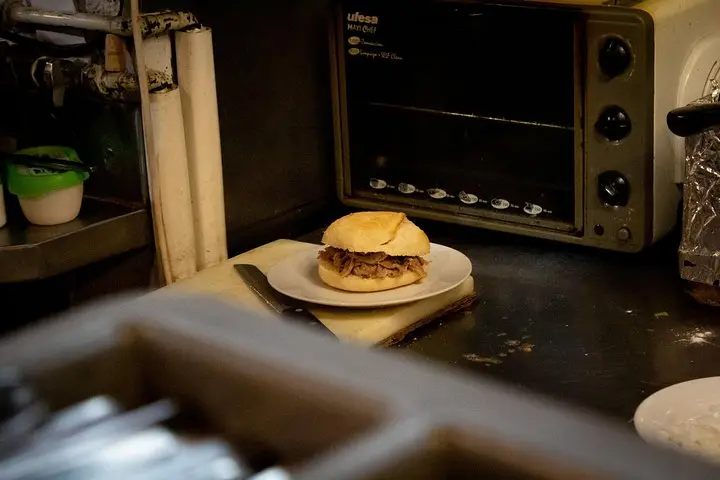
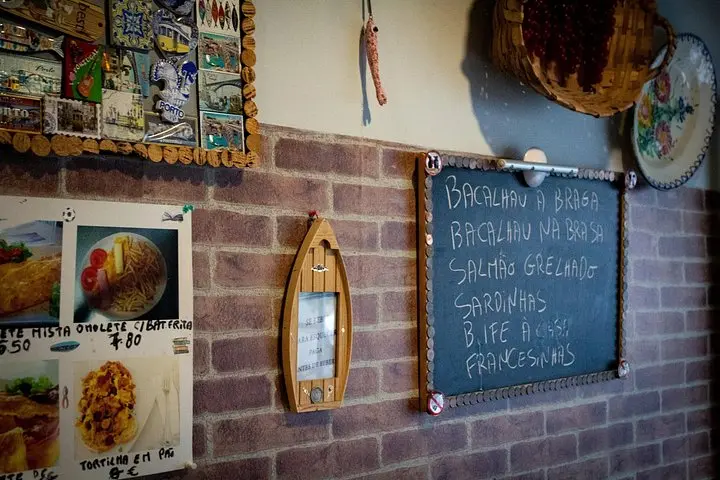
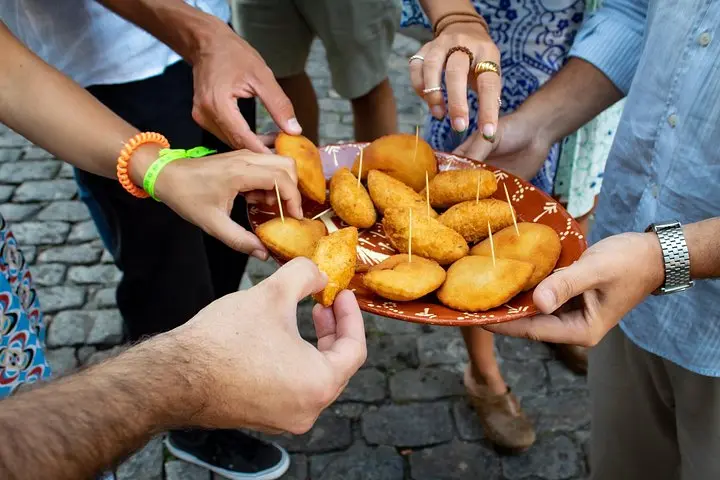
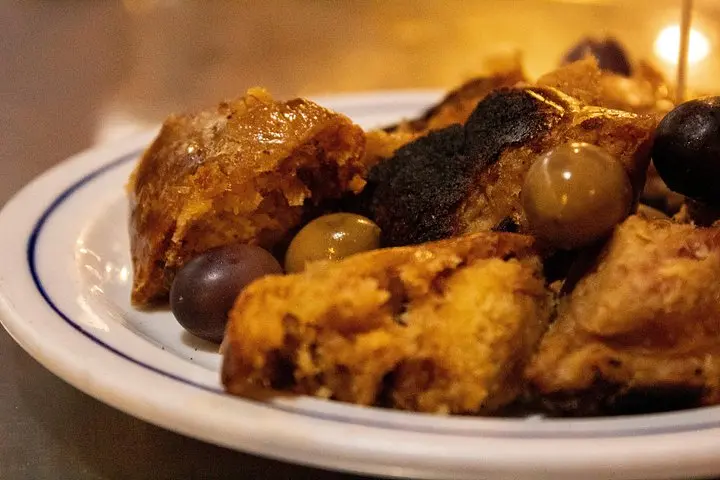
This three-to-four-hour walking tour threads together the city’s culinary past and present: roadside hotdogs at Gazela, century-old tascas serving cod and small plates, and a modern tasting by chef João Pupo that reframes local ingredients. Along the way you’ll pass the Muralhas Fernandinas — medieval walls that hint at the city’s maritime defenses — and look across the Douro where port cellars line the opposite bank.
Porto’s food culture grew from working-class kitchens and Atlantic trade. Salted cod (bacalhau) and preserved foods were practical staples; later, immigrant spices, wine routes, and urban cafés turned those basics into local identity. Geologically, the granite foundations of the city create steep streets and natural viewpoints; culturally, football clubs and family-run tascas anchor neighborhoods.
Practical guidance: expect uneven pavement and short flights of stone stairs, so stable footwear matters more than formal attire. The tour is private and paced for food tastings — bring a reusable water bottle, wear layers (coastal weather shifts quickly), and budget time for ferry or metro back to your hotel. Public transport and taxis are close to start and finish points, and dietary restrictions are usually accommodated with advance notice. Finish with a Pastel de Nata and you’ll leave with both a full belly and a clear sense of how Porto reinvented its culinary traditions without forgetting where they began.
The tour runs about 3–4 hours and covers roughly 2–3 miles at a relaxed pace with frequent food stops and short stair climbs.
Tastings include alcoholic beverages at several stops; confirm age requirements and any extra wine or beer you want to purchase separately.
The tour is listed as stroller accessible in parts, but cobbles and stairs can make some sections awkward; infants may be required to sit on laps.
Yes — most operators can adapt tastings for allergies or vegetarians if you note restrictions when booking.
COME Porto operates guided outdoor trips and adventures with an emphasis on safety, stewardship, and memorable experiences.
The river is at your shoulder and the cobbles underfoot click with each step as you move from the shadowed alleys of Porto’s downtown toward the sunlit terraces of the Ribeira.
The river is at your shoulder and the cobbles underfoot click with each step as you move from the shadowed alleys of Porto’s downtown toward the sunlit terraces of the Ribeira.
This three-to-four-hour walking tour threads together the city’s culinary past and present: roadside hotdogs at Gazela, century-old tascas serving cod and small plates, and a modern tasting by chef João Pupo that reframes local ingredients. Along the way you’ll pass the Muralhas Fernandinas — medieval walls that hint at the city’s maritime defenses — and look across the Douro where port cellars line the opposite bank.
Porto’s food culture grew from working-class kitchens and Atlantic trade. Salted cod (bacalhau) and preserved foods were practical staples; later, immigrant spices, wine routes, and urban cafés turned those basics into local identity. Geologically, the granite foundations of the city create steep streets and natural viewpoints; culturally, football clubs and family-run tascas anchor neighborhoods.
Practical guidance: expect uneven pavement and short flights of stone stairs, so stable footwear matters more than formal attire. The tour is private and paced for food tastings — bring a reusable water bottle, wear layers (coastal weather shifts quickly), and budget time for ferry or metro back to your hotel. Public transport and taxis are close to start and finish points, and dietary restrictions are usually accommodated with advance notice. Finish with a Pastel de Nata and you’ll leave with both a full belly and a clear sense of how Porto reinvented its culinary traditions without forgetting where they began.