THE ADVENTURE COLLECTIVE® · Independent discovery and booking for outdoor travel

Walk Old Town Fort Collins and visit local breweries, a winery and a distillery on a two-hour behind-the-scenes tour. Learn brewing and distilling basics, hear the city’s prohibition-to-craft-beer history, and sample flights at each stop (drinks not included).
Walk Old Town Fort Collins and visit local breweries, a winery and a distillery on a two-hour behind-the-scenes tour. Learn brewing and distilling basics, hear the city’s prohibition-to-craft-beer history, and sample flights at each stop (drinks not included).
On a brisk evening in Old Town Fort Collins the brick sidewalks hum with conversation and the lights from tasting rooms pull you toward doors that promise warmth and yeast-sweet steam.
Verified experiences and guided adventures in the surrounding area.
On a brisk evening in Old Town Fort Collins the brick sidewalks hum with conversation and the lights from tasting rooms pull you toward doors that promise warmth and yeast-sweet steam.
The Old Town Breweries and Distilleries Tour moves through compact blocks where industrial warehouses converted to breweries keep the city’s working past visible in exposed beams and concrete floors. Guides take groups behind the bar and into back-of-house spaces so visitors can watch mash tuns settle and copper stills breathe — tangible mechanics that explain why Fort Collins went from decades of local temperance to one of Colorado’s craft-beer capitals. New Belgium, Odell and several smaller producers helped put the city on the map; the Poudre River and the Cache la Poudre watershed supplied the water and the mills that shaped early commerce.
This is a town of hops, history and civic pride: expect stories about prohibition-era ordinances, brewing innovations and community-driven sustainability programs that many local producers publicize.
Practical guidance is straightforward. The walking route is flat and compact; allow two hours for visits, tastings and short tours. Bring a government-issued ID — legal drinking age is enforced — and a method of payment for flights or bottles. Comfortable shoes and a light jacket are useful for moving between venues in variable Colorado weather. Hydrate between samples and pace tastings; tours typically do not include drinks. If you prefer a quieter experience, choose a morning or early-afternoon departure when crowds are smaller. This urban stroll rewards curiosity: ask questions about water use, packaging and local sourcing and you’ll come away with both flavor and context.
No — tastings and purchases at each brewery, winery or distillery are typically paid on-site; bring payment.
All venues enforce the U.S. legal drinking age (21); bring a valid government-issued photo ID.
The route covers a few blocks of Old Town on mostly flat sidewalks; much of the experience involves standing during short demonstrations. Contact the operator about specific accessibility needs.
Yes — tours welcome solo travelers, but booking in advance is recommended to secure a spot and group size.
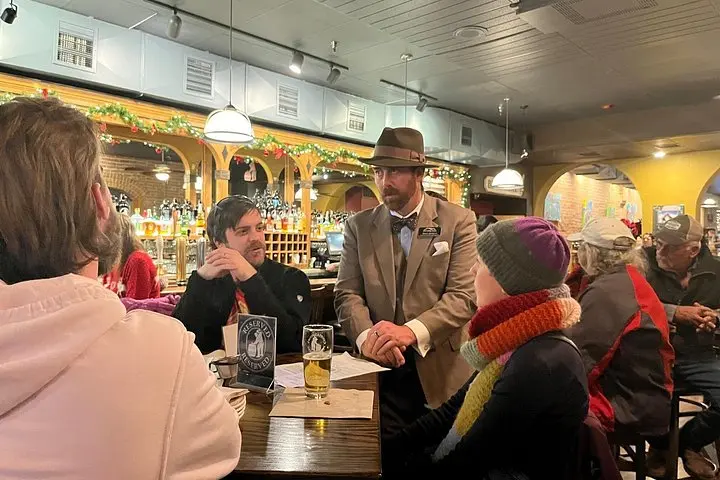
On a brisk evening in Old Town Fort Collins the brick sidewalks hum with conversation and the lights from tasting rooms pull you toward doors that promise warmth and yeast-sweet steam.
On a brisk evening in Old Town Fort Collins the brick sidewalks hum with conversation and the lights from tasting rooms pull you toward doors that promise warmth and yeast-sweet steam.
The Old Town Breweries and Distilleries Tour moves through compact blocks where industrial warehouses converted to breweries keep the city’s working past visible in exposed beams and concrete floors. Guides take groups behind the bar and into back-of-house spaces so visitors can watch mash tuns settle and copper stills breathe — tangible mechanics that explain why Fort Collins went from decades of local temperance to one of Colorado’s craft-beer capitals. New Belgium, Odell and several smaller producers helped put the city on the map; the Poudre River and the Cache la Poudre watershed supplied the water and the mills that shaped early commerce.
This is a town of hops, history and civic pride: expect stories about prohibition-era ordinances, brewing innovations and community-driven sustainability programs that many local producers publicize.
Practical guidance is straightforward. The walking route is flat and compact; allow two hours for visits, tastings and short tours. Bring a government-issued ID — legal drinking age is enforced — and a method of payment for flights or bottles. Comfortable shoes and a light jacket are useful for moving between venues in variable Colorado weather. Hydrate between samples and pace tastings; tours typically do not include drinks. If you prefer a quieter experience, choose a morning or early-afternoon departure when crowds are smaller. This urban stroll rewards curiosity: ask questions about water use, packaging and local sourcing and you’ll come away with both flavor and context.