THE ADVENTURE COLLECTIVE® · Independent discovery and booking for outdoor travel

Walk Yanaka’s narrow lanes, taste six local specialties, and finish with wagashi and a traditional tea ceremony. This 3.5-hour tour pairs historic streets with seasonal flavors for a close-up of old Tokyo life.
Walk Yanaka’s narrow lanes, taste six local specialties, and finish with wagashi and a traditional tea ceremony. This 3.5-hour tour pairs historic streets with seasonal flavors for a close-up of old Tokyo life.
Stand on a narrow street in Yanaka and the city’s noise slims to a human scale: shopfronts queue shoulder-to-shoulder, incense curls from a small shrine, and the wind threads through alleys that remember another Tokyo.
Verified experiences and guided adventures in the surrounding area.
Operated by Arigato Japan KK · Tokyo, Tokyo
Stand on a narrow street in Yanaka and the city’s noise slims to a human scale: shopfronts queue shoulder-to-shoulder, incense curls from a small shrine, and the wind threads through alleys that remember another Tokyo.
This three-and-a-half-hour walking food tour guides you through a district that survived the Great Kanto Earthquake of 1923 and wartime bombings, so what you’re tasting and touching carries generations. The low-rise wooden shops, century-old craft studios and pocket temples reflect Edo-period street plans and a layer-cake of Tokyo history. Geologically flat reclaimed plains meet the city here; the terrain is forgiving, with compact pavements and short steps rather than steep climbs.
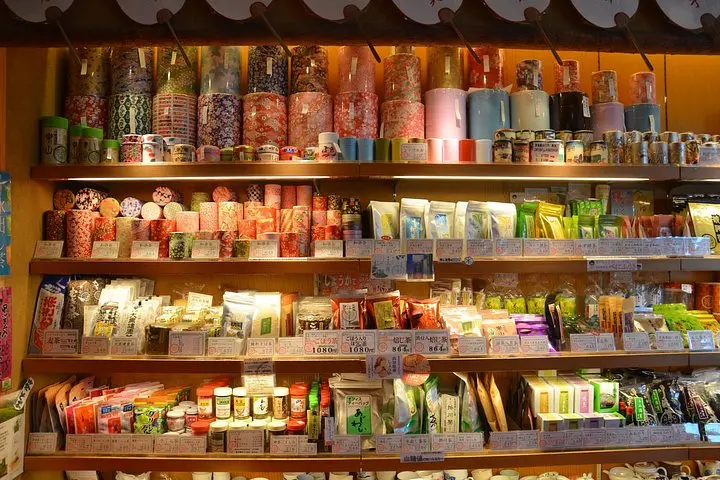
Culturally the area is domestic and artisanal: textile dye houses, pottery benches and long-running confectioners where wagashi recipes haven’t changed much. Your route mixes market snacks and a seasonally focused restaurant lunch, ending with a tea ceremony that sketches the etiquette behind each sip.
Practical guide: expect about 2–3 miles of walking on mixed pavement and occasional narrow stairways; bring comfortable shoes and a small bag for purchases. The tour accommodates common dietary needs if notified in advance; many stops accept cash and IC cards. Start mid-afternoon for softer light and less crowding; weekdays show the most authentic rhythm. Hydrate between stops — some food samples are salty — and keep a phone battery handy for photos of tile-roof lines and shrine gates.
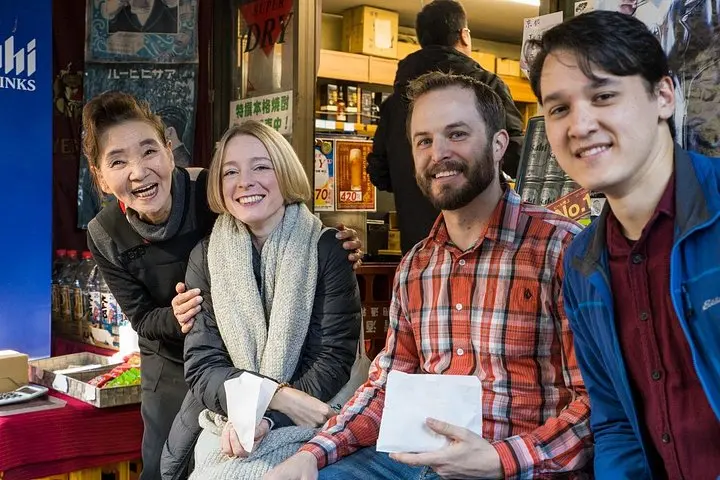
This is an urban stroll for people who like food that tells a story, neighborhoods that feel lived-in, and a pace that lets flavor and history arrive together.
Meet near Nippori Station at the specified entrance 10 minutes before departure; the tour runs about 3–3.5 hours starting in the afternoon.
Yes—vegetarian, vegan, pescetarian, and gluten-free options are available if you notify the operator when booking.
Infants and small children can use strollers, but some streets and shop interiors are narrow—expect occasional tight spaces.
Full refund available if you cancel at least 24 hours before the scheduled departure; same-day cancellations are non-refundable.
Arigato Japan KK operates guided outdoor trips and adventures with an emphasis on safety, stewardship, and memorable experiences.
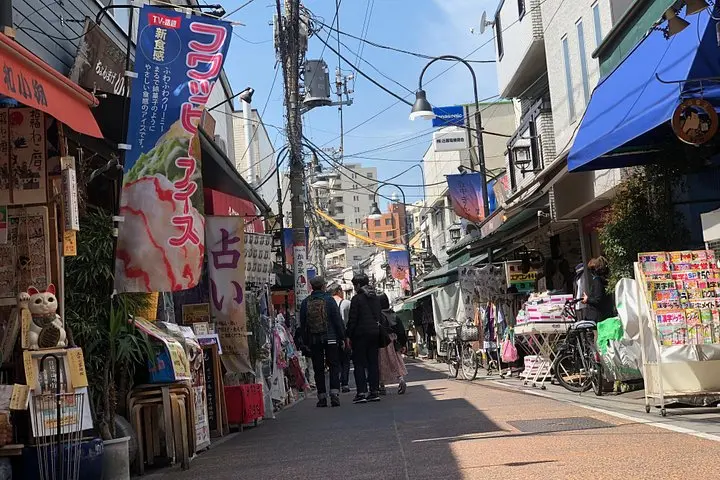
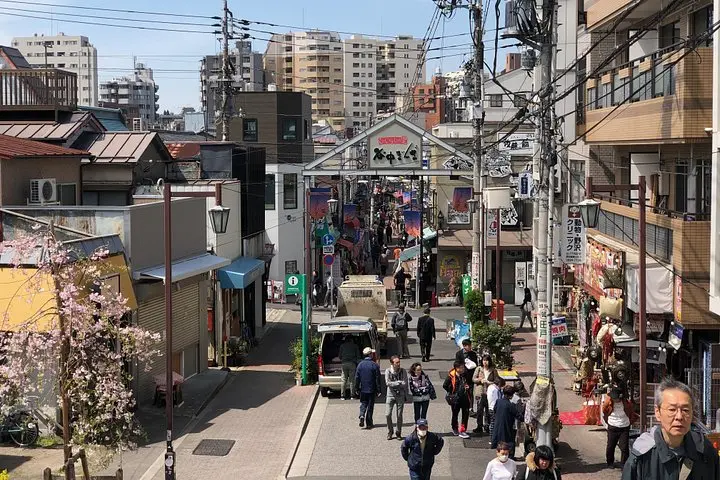
Stand on a narrow street in Yanaka and the city’s noise slims to a human scale: shopfronts queue shoulder-to-shoulder, incense curls from a small shrine, and the wind threads through alleys that remember another Tokyo.
Stand on a narrow street in Yanaka and the city’s noise slims to a human scale: shopfronts queue shoulder-to-shoulder, incense curls from a small shrine, and the wind threads through alleys that remember another Tokyo.
This three-and-a-half-hour walking food tour guides you through a district that survived the Great Kanto Earthquake of 1923 and wartime bombings, so what you’re tasting and touching carries generations. The low-rise wooden shops, century-old craft studios and pocket temples reflect Edo-period street plans and a layer-cake of Tokyo history. Geologically flat reclaimed plains meet the city here; the terrain is forgiving, with compact pavements and short steps rather than steep climbs.
Culturally the area is domestic and artisanal: textile dye houses, pottery benches and long-running confectioners where wagashi recipes haven’t changed much. Your route mixes market snacks and a seasonally focused restaurant lunch, ending with a tea ceremony that sketches the etiquette behind each sip.
Practical guide: expect about 2–3 miles of walking on mixed pavement and occasional narrow stairways; bring comfortable shoes and a small bag for purchases. The tour accommodates common dietary needs if notified in advance; many stops accept cash and IC cards. Start mid-afternoon for softer light and less crowding; weekdays show the most authentic rhythm. Hydrate between stops — some food samples are salty — and keep a phone battery handy for photos of tile-roof lines and shrine gates.
This is an urban stroll for people who like food that tells a story, neighborhoods that feel lived-in, and a pace that lets flavor and history arrive together.