THE ADVENTURE COLLECTIVE® · Independent discovery and booking for outdoor travel

Walk centuries-old groves, tour a modern mill and descend into a rock-cut press on this compact olive oil tour in Ostuni. Learn to taste extra virgin olive oil like a pro and gain hands-on insight into Puglia’s olive culture.
Walk centuries-old groves, tour a modern mill and descend into a rock-cut press on this compact olive oil tour in Ostuni. Learn to taste extra virgin olive oil like a pro and gain hands-on insight into Puglia’s olive culture.
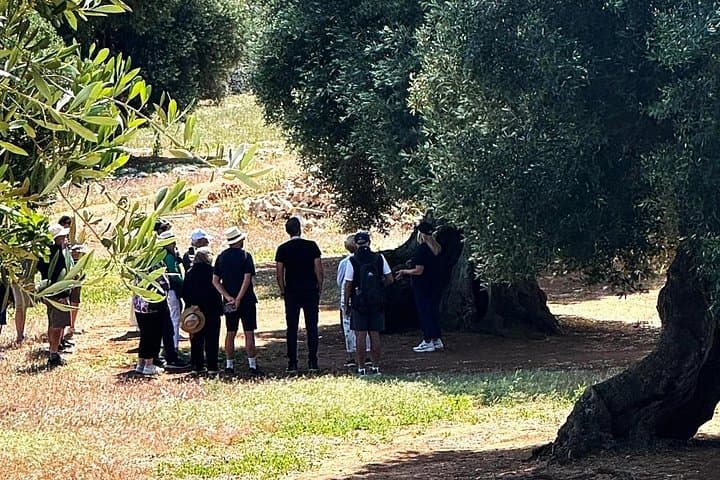
You step off the shaded lane and into an orchard where silver-green leaves flash in the Mediterranean light. The trunks are gnarled, centuries telling in their twists; a dry-stone wall keeps the rows in neat bands. The air carries green, peppery scents — the first clue that extra virgin olive oil here is more than an ingredient, it’s a landscape distilled.
Verified experiences and guided adventures in the surrounding area.
Operated by Martulli Viaggi · Ostuni, Puglia
You step off the shaded lane and into an orchard where silver-green leaves flash in the Mediterranean light. The trunks are gnarled, centuries telling in their twists; a dry-stone wall keeps the rows in neat bands. The air carries green, peppery scents — the first clue that extra virgin olive oil here is more than an ingredient, it’s a landscape distilled.
The tour threads modern and ancient: a two-phase continuous mill where stainless steel meets careful heat control, an ethnographic lamia showing rural life, and a hypogean rock-cut press that recalls a millennia of harvests. Geology matters — the karst limestone of Puglia shapes terraces, soil drainage, and the rugged, low-relief countryside that olives favor. Culturally, masserie and lamie are working reminders that production here blends family tradition with contemporary methods; local producers often sell small-batch oils with cultivar-specific notes.
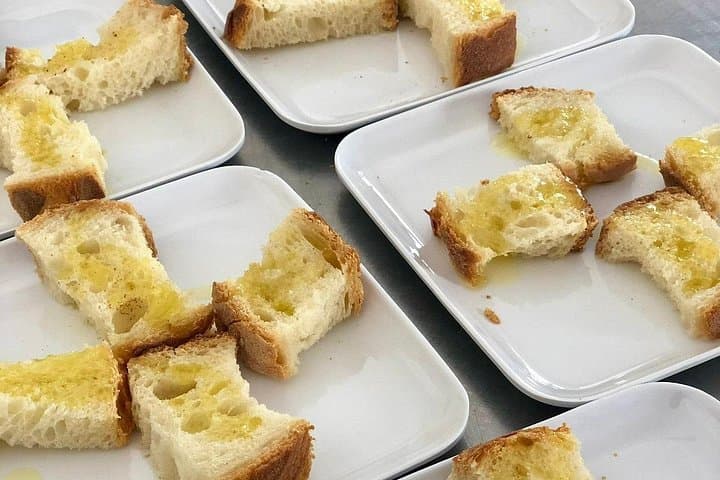
Expect light walking on dirt tracks and between terraces (roughly 1–2 km total) over mostly flat ground with minimal elevation gain. The guided tasting will teach you to evaluate aroma, fruitiness, bitterness and aftertaste, usually paired with bread or local focaccia. Morning slots avoid midday heat; autumn harvest months are the most instructive, when freshly pressed oils are available.
Practical tips: wear sturdy shoes that can handle packed soil, bring a reusable bottle, and mention dietary needs in advance if you need pairing alternatives. The visit is accessible for most fitness levels and is best suited to curious food travelers who want tactile insight into how a region’s geology and culture shape its signature oil.
The experience runs about 90 minutes and includes a walk through groves, visits to production sites and a guided tasting session.
Yes—entrance to the Farmer’s Lamia museum and the guided olive oil tasting are included in the tour price.
The tour is classified as physically easy; children are welcome but the hypogean mill has uneven stone surfaces that may be challenging for limited mobility—contact the operator to discuss accessibility options.
Most producers offer bottles for sale after the tasting, often including single-varietal or freshly pressed batches available only at harvest.
Martulli Viaggi operates guided outdoor trips and adventures with an emphasis on safety, stewardship, and memorable experiences.


You step off the shaded lane and into an orchard where silver-green leaves flash in the Mediterranean light. The trunks are gnarled, centuries telling in their twists; a dry-stone wall keeps the rows in neat bands. The air carries green, peppery scents — the first clue that extra virgin olive oil here is more than an ingredient, it’s a landscape distilled.
You step off the shaded lane and into an orchard where silver-green leaves flash in the Mediterranean light. The trunks are gnarled, centuries telling in their twists; a dry-stone wall keeps the rows in neat bands. The air carries green, peppery scents — the first clue that extra virgin olive oil here is more than an ingredient, it’s a landscape distilled.
The tour threads modern and ancient: a two-phase continuous mill where stainless steel meets careful heat control, an ethnographic lamia showing rural life, and a hypogean rock-cut press that recalls a millennia of harvests. Geology matters — the karst limestone of Puglia shapes terraces, soil drainage, and the rugged, low-relief countryside that olives favor. Culturally, masserie and lamie are working reminders that production here blends family tradition with contemporary methods; local producers often sell small-batch oils with cultivar-specific notes.
Expect light walking on dirt tracks and between terraces (roughly 1–2 km total) over mostly flat ground with minimal elevation gain. The guided tasting will teach you to evaluate aroma, fruitiness, bitterness and aftertaste, usually paired with bread or local focaccia. Morning slots avoid midday heat; autumn harvest months are the most instructive, when freshly pressed oils are available.
Practical tips: wear sturdy shoes that can handle packed soil, bring a reusable bottle, and mention dietary needs in advance if you need pairing alternatives. The visit is accessible for most fitness levels and is best suited to curious food travelers who want tactile insight into how a region’s geology and culture shape its signature oil.