THE ADVENTURE COLLECTIVE® · Independent discovery and booking for outdoor travel

Swim in blue-walled canyons, crest desert dunes by 4x4, and wander UNESCO-listed forts—all in one well-paced week from Muscat. This classic Oman route blends adventure with culture and smart logistics so you can focus on the views, not the guesswork.
Swim in blue-walled canyons, crest desert dunes by 4x4, and wander UNESCO-listed forts—all in one well-paced week from Muscat. This classic Oman route blends adventure with culture and smart logistics so you can focus on the views, not the guesswork.
Dawn slides over Muscat in soft peach light, the Arabian Sea breathing against the Corniche while minarets call the city awake. Your week begins here—bags in the van, cool air from the A/C, and the road unfurling along limestone headlands where cliffs meet turquoise water. Oman doesn’t rush; it opens, one wadi, one fort, one dune at a time, each with its own rhythm.
Verified experiences and guided adventures in the surrounding area.
Operated by OMAN SAFARI · Muscat, Muscat Governorate
Dawn slides over Muscat in soft peach light, the Arabian Sea breathing against the Corniche while minarets call the city awake. Your week begins here—bags in the van, cool air from the A/C, and the road unfurling along limestone headlands where cliffs meet turquoise water. Oman doesn’t rush; it opens, one wadi, one fort, one dune at a time, each with its own rhythm.
The arc is classic and well-paced. You walk beneath crystal chandeliers and carved teak at the Sultan Qaboos Grand Mosque—modest clothing required—then roll east to the Bimmah Sinkhole, a collapsed limestone chamber whose brackish pool flashes teal at midday. Wadi Shab follows, a 5–6 km round-trip hike where the canyon narrows and the water dares you to slip in. Pale travertine shelves take steady feet; the current nudges you toward a hidden waterfall cave, a desert surprise that feels earned.
Culture threads the route. In Muscat, the Royal Opera House marries Omani design with global performance. In Mutrah Souq, spice and frankincense drift through alleys older than the harbor’s Portuguese forts. Out in the Sharqiya Sands (Wahiba), dunes climb 100–150 meters, their slipfaces sloughing in the wind as a 4x4 noses along crests like a dhow riding swell. Bedouin hospitality is warm and unhurried; night drops fast, stars burn hard, and the desert breathes cold.
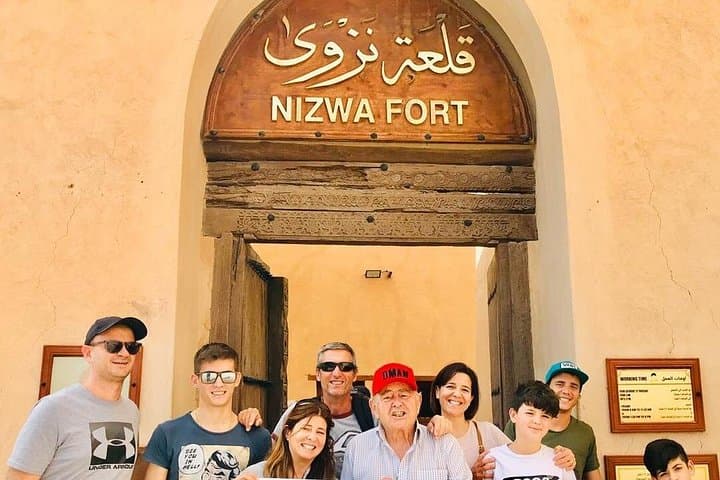
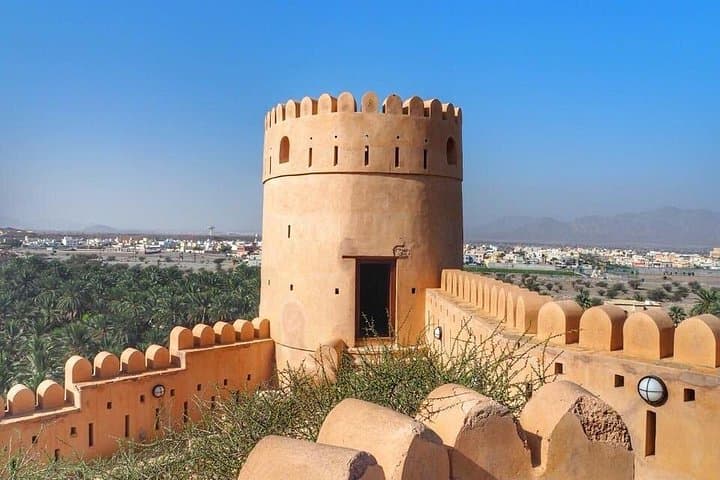
Westward, the Al Hajar Mountains rise in layered ophiolite and folded limestone—geology writ large. Nizwa’s 17th‑century fort keeps watch over the oasis and its date markets; arrive early Friday to watch the livestock auction pulse through town. Jabreen Castle (late 1600s) adds painted ceilings and scholarly calm; Bahla’s mudbrick bastions, a UNESCO site, stretch under a long wall that once guarded trade routes and falaj irrigation lines. Higher still, Jebel Shams—Oman’s tallest peak—looks into Wadi Nakhr, the “Grand Canyon of Arabia,” where cliffs shear into shadow and ravens ride thermals. A 4x4 is essential here; the mountain road is rough, views precise.
Practicalities shape success. Expect short hikes on rock and sand, some swimming in wadis, and long but comfortable drives in air‑conditioned vehicles. Hydrate early and often; the coast is humid and the desert dry. Footwear that grips wet limestone and drains quickly will change your day at Wadi Shab; a light fleece pays off in Wahiba’s night chill and on Jebel Shams. Respect local customs—covered shoulders and knees in towns, a scarf or shawl for women at the mosque. Oman rewards the prepared traveler with clear water, long horizons, and a steady sense of welcome.
Most walks are short to moderate. Wadi Shab is about 5–6 km round-trip with rock-hopping and swimming; forts and souqs involve stairs and flat city walking.
Swimming is optional. Non-swimmers can enjoy the hike and pools’ edges; confident swimmers can access the waterfall cave. Life jackets may be rented at the entrance by local operators.
Dress modestly: shoulders and knees covered; women must cover hair and arms. Remove shoes before entering prayer halls.
Air‑conditioned vans or minibuses are used for highways; certified 4x4s handle Jebel Shams tracks and Wahiba Sands dunes for safety and access.
October through April offers cooler temperatures, clearer mountain views, and comfortable desert nights. Summers are very hot and humid on the coast.
Yes—accommodations in Muscat, a desert camp night, and a Nizwa hotel are typically included, along with selected dinners and lunches as noted in the itinerary.
OMAN SAFARI operates guided outdoor trips and adventures with an emphasis on safety, stewardship, and memorable experiences.


Dawn slides over Muscat in soft peach light, the Arabian Sea breathing against the Corniche while minarets call the city awake. Your week begins here—bags in the van, cool air from the A/C, and the road unfurling along limestone headlands where cliffs meet turquoise water. Oman doesn’t rush; it opens, one wadi, one fort, one dune at a time, each with its own rhythm.
Dawn slides over Muscat in soft peach light, the Arabian Sea breathing against the Corniche while minarets call the city awake. Your week begins here—bags in the van, cool air from the A/C, and the road unfurling along limestone headlands where cliffs meet turquoise water. Oman doesn’t rush; it opens, one wadi, one fort, one dune at a time, each with its own rhythm.
The arc is classic and well-paced. You walk beneath crystal chandeliers and carved teak at the Sultan Qaboos Grand Mosque—modest clothing required—then roll east to the Bimmah Sinkhole, a collapsed limestone chamber whose brackish pool flashes teal at midday. Wadi Shab follows, a 5–6 km round-trip hike where the canyon narrows and the water dares you to slip in. Pale travertine shelves take steady feet; the current nudges you toward a hidden waterfall cave, a desert surprise that feels earned.
Culture threads the route. In Muscat, the Royal Opera House marries Omani design with global performance. In Mutrah Souq, spice and frankincense drift through alleys older than the harbor’s Portuguese forts. Out in the Sharqiya Sands (Wahiba), dunes climb 100–150 meters, their slipfaces sloughing in the wind as a 4x4 noses along crests like a dhow riding swell. Bedouin hospitality is warm and unhurried; night drops fast, stars burn hard, and the desert breathes cold.
Westward, the Al Hajar Mountains rise in layered ophiolite and folded limestone—geology writ large. Nizwa’s 17th‑century fort keeps watch over the oasis and its date markets; arrive early Friday to watch the livestock auction pulse through town. Jabreen Castle (late 1600s) adds painted ceilings and scholarly calm; Bahla’s mudbrick bastions, a UNESCO site, stretch under a long wall that once guarded trade routes and falaj irrigation lines. Higher still, Jebel Shams—Oman’s tallest peak—looks into Wadi Nakhr, the “Grand Canyon of Arabia,” where cliffs shear into shadow and ravens ride thermals. A 4x4 is essential here; the mountain road is rough, views precise.
Practicalities shape success. Expect short hikes on rock and sand, some swimming in wadis, and long but comfortable drives in air‑conditioned vehicles. Hydrate early and often; the coast is humid and the desert dry. Footwear that grips wet limestone and drains quickly will change your day at Wadi Shab; a light fleece pays off in Wahiba’s night chill and on Jebel Shams. Respect local customs—covered shoulders and knees in towns, a scarf or shawl for women at the mosque. Oman rewards the prepared traveler with clear water, long horizons, and a steady sense of welcome.