THE ADVENTURE COLLECTIVE® · Independent discovery and booking for outdoor travel

In three unhurried days, this private 4WD journey connects Nizwa’s fort and souq, the sweeping dunes of Wahiba Sands, and the turtle-lined beaches of Ras Al Jinz. Expect short hikes, refreshing swims in wadis, and a dose of Omani history and craft along the way.
In three unhurried days, this private 4WD journey connects Nizwa’s fort and souq, the sweeping dunes of Wahiba Sands, and the turtle-lined beaches of Ras Al Jinz. Expect short hikes, refreshing swims in wadis, and a dose of Omani history and craft along the way.
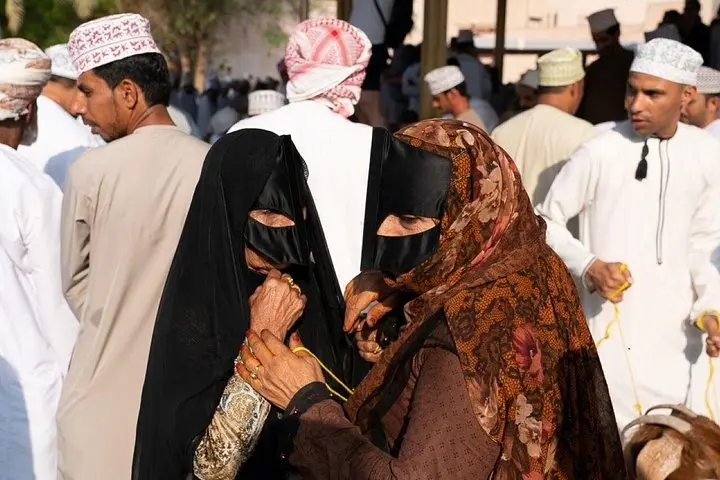
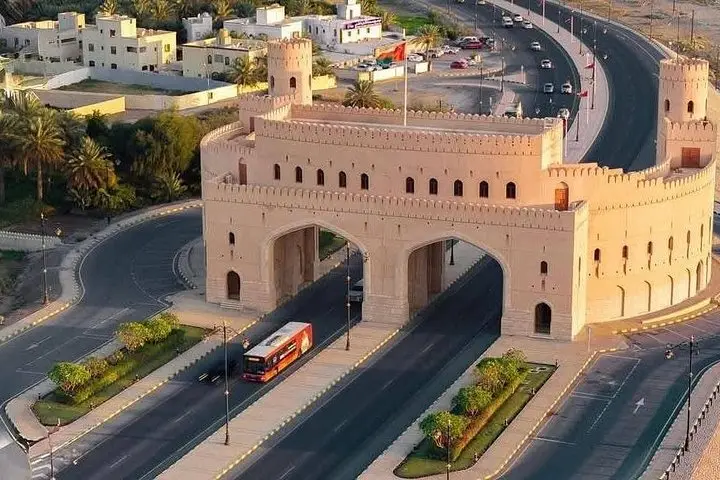
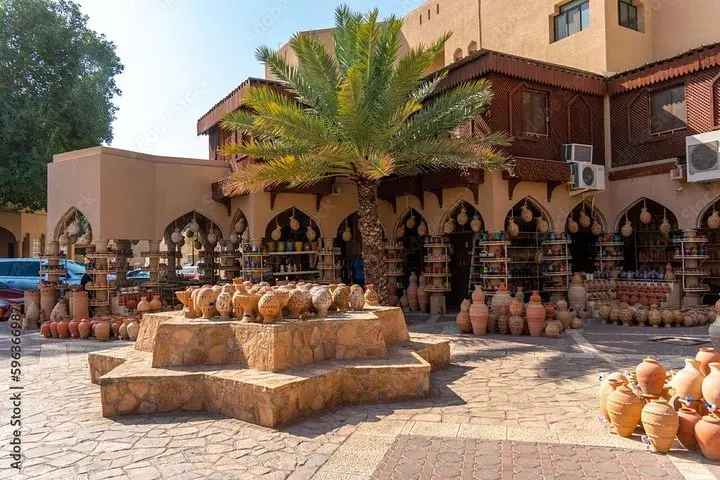
Dawn breaks over Muscat as the 4WD noses toward the Hajar Mountains, the road climbing through crumpled limestone where cliffs cast long, cool shadows. By midmorning the lanes of Nizwa Souq wake with the clink of copperware, the smell of cardamom and dates, and the easy rhythm of bargaining. Nearby, the 17th‑century Nizwa Fort lifts its round tower above town—built by the Yaruba dynasty to control caravan routes, it still scans the ranges like a seasoned guard.
Verified experiences and guided adventures in the surrounding area.
Operated by Discover Mazoon Tours Oman · Muscat, Muscat Governorate
Dawn breaks over Muscat as the 4WD noses toward the Hajar Mountains, the road climbing through crumpled limestone where cliffs cast long, cool shadows. By midmorning the lanes of Nizwa Souq wake with the clink of copperware, the smell of cardamom and dates, and the easy rhythm of bargaining. Nearby, the 17th‑century Nizwa Fort lifts its round tower above town—built by the Yaruba dynasty to control caravan routes, it still scans the ranges like a seasoned guard.
Eastward, the mountains loosen their grip and the desert takes over. Wahiba Sands rolls into view—120 kilometers of wind-sculpted ridges that drift and reform with each gust. Your driver traces a line into the dunes and the sand answers, slipping underfoot as you crest a high ridge for sunset. Night settles fast; stars bloom, the campfire cracks, and the silence holds steady.
Morning sends you to Wadi Bani Khalid, an oasis of palm-shaded pools nine meters deep where polished stone slides into clear water. A short walk is rewarded with a swim you won’t want to rush. In Sur, the scent of sawdust hangs over the dhow yard; shipwrights still handcraft wooden hulls built for Indian Ocean trade. After dinner, the coast calls: at Ras Al Jinz, rangers lead a quiet night walk where green turtles heave from the sea, dig, and lay—no flashes, no rush, only patience and the soft hiss of waves working the sand.
Day three aims for Wadi Shab, a canyon hike of 35–40 minutes that ends in turquoise pools and a swim through a narrow opening into a cave where a pocket waterfall threads in from above. On the drive back toward Muscat, a quick stop at Fins’ white sand and then Bimmah Sinkhole—formed by limestone collapse, now a park with ladder access—closes the loop. The geology here is written in big letters: uplifted seafloor, cut canyons, porous rock that hides and releases water.
This private, three-day circuit keeps the pace full but manageable. Expect short hikes on uneven terrain, hot sun even in winter, and swims where closed‑toe water shoes earn their place. Dress modestly for markets, pack a hat and UPF layers, and drink more water than you think you need. The best months are October through April when temperatures drop and the desert breathes a little easier. With pick-up anywhere in Muscat, air‑conditioned 4WD transport, breakfasts and dinners included, and guides who know when to linger and when to move, it’s a compact hit list of Oman’s classics—history, dunes, wadis, and the turtle coast working together like a well-timed itinerary.
October to April offers cooler temperatures and clearer skies; summer departures run with earlier starts and more swim time to manage heat.
Swimming is optional, but reaching the cave requires a confident swim through a narrow opening. You can stop at earlier pools if you prefer not to swim.
Expect a 35–40 minute hike each way in Wadi Shab on uneven stone, a short 10-minute walk at Wadi Bani Khalid, soft-sand walking in the dunes, and a nighttime beach walk for turtle viewing.
Two breakfasts and two dinners are included; lunches are at your own expense with stops at local cafés and shops. Bottled water is provided.
One night is in a desert camp in Wahiba Sands and one night at a coastal resort near Ras Al Hadd or similar, both with private rooms.
Yes—infant seats are available, but the tour isn’t stroller accessible. Children should be heat-aware and supervised around water; follow ranger guidance during turtle walks.
Discover Mazoon Tours Oman operates guided outdoor trips and adventures with an emphasis on safety, stewardship, and memorable experiences.

Dawn breaks over Muscat as the 4WD noses toward the Hajar Mountains, the road climbing through crumpled limestone where cliffs cast long, cool shadows. By midmorning the lanes of Nizwa Souq wake with the clink of copperware, the smell of cardamom and dates, and the easy rhythm of bargaining. Nearby, the 17th‑century Nizwa Fort lifts its round tower above town—built by the Yaruba dynasty to control caravan routes, it still scans the ranges like a seasoned guard.
Dawn breaks over Muscat as the 4WD noses toward the Hajar Mountains, the road climbing through crumpled limestone where cliffs cast long, cool shadows. By midmorning the lanes of Nizwa Souq wake with the clink of copperware, the smell of cardamom and dates, and the easy rhythm of bargaining. Nearby, the 17th‑century Nizwa Fort lifts its round tower above town—built by the Yaruba dynasty to control caravan routes, it still scans the ranges like a seasoned guard.
Eastward, the mountains loosen their grip and the desert takes over. Wahiba Sands rolls into view—120 kilometers of wind-sculpted ridges that drift and reform with each gust. Your driver traces a line into the dunes and the sand answers, slipping underfoot as you crest a high ridge for sunset. Night settles fast; stars bloom, the campfire cracks, and the silence holds steady.
Morning sends you to Wadi Bani Khalid, an oasis of palm-shaded pools nine meters deep where polished stone slides into clear water. A short walk is rewarded with a swim you won’t want to rush. In Sur, the scent of sawdust hangs over the dhow yard; shipwrights still handcraft wooden hulls built for Indian Ocean trade. After dinner, the coast calls: at Ras Al Jinz, rangers lead a quiet night walk where green turtles heave from the sea, dig, and lay—no flashes, no rush, only patience and the soft hiss of waves working the sand.
Day three aims for Wadi Shab, a canyon hike of 35–40 minutes that ends in turquoise pools and a swim through a narrow opening into a cave where a pocket waterfall threads in from above. On the drive back toward Muscat, a quick stop at Fins’ white sand and then Bimmah Sinkhole—formed by limestone collapse, now a park with ladder access—closes the loop. The geology here is written in big letters: uplifted seafloor, cut canyons, porous rock that hides and releases water.
This private, three-day circuit keeps the pace full but manageable. Expect short hikes on uneven terrain, hot sun even in winter, and swims where closed‑toe water shoes earn their place. Dress modestly for markets, pack a hat and UPF layers, and drink more water than you think you need. The best months are October through April when temperatures drop and the desert breathes a little easier. With pick-up anywhere in Muscat, air‑conditioned 4WD transport, breakfasts and dinners included, and guides who know when to linger and when to move, it’s a compact hit list of Oman’s classics—history, dunes, wadis, and the turtle coast working together like a well-timed itinerary.