THE ADVENTURE COLLECTIVE® · Independent discovery and booking for outdoor travel

Four days of Oman that pair Muscat’s cultural highlights with snorkeling at the Daymaniyat Islands and hikes to Wadi Shab. Expect forts, fresh-water pools, and reef encounters—packed into an accessible, guided itinerary.
Four days of Oman that pair Muscat’s cultural highlights with snorkeling at the Daymaniyat Islands and hikes to Wadi Shab. Expect forts, fresh-water pools, and reef encounters—packed into an accessible, guided itinerary.
Salt air and dry mountains meet at the edge of Muscat as your minivan peels out of the city and the rhythm of Oman reveals itself: whitewashed mosques, crenellated forts, and the steady pulse of the sea. On day one the Grand Mosque and Royal Opera stand like modern punctuation in a long history; forts and souqs follow, offering the tactile details—incense, carved doors, traders’ calls—that define Omani life.
Verified experiences and guided adventures in the surrounding area.
Operated by Khalid Said · Muscat, Muscat Governorate
Salt air and dry mountains meet at the edge of Muscat as your minivan peels out of the city and the rhythm of Oman reveals itself: whitewashed mosques, crenellated forts, and the steady pulse of the sea. On day one the Grand Mosque and Royal Opera stand like modern punctuation in a long history; forts and souqs follow, offering the tactile details—incense, carved doors, traders’ calls—that define Omani life.
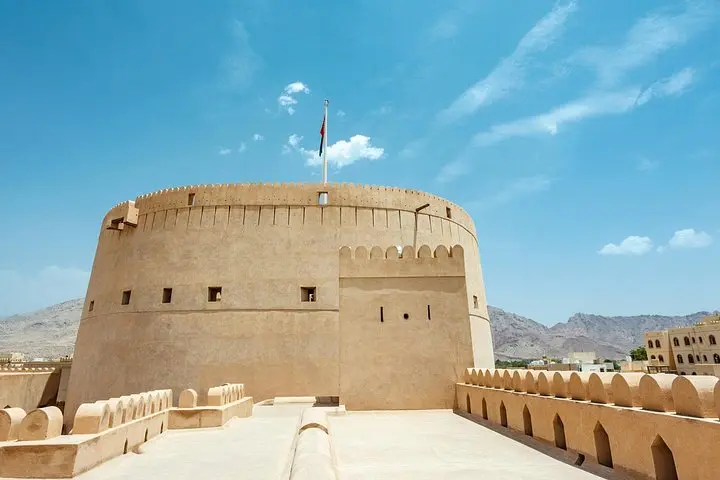
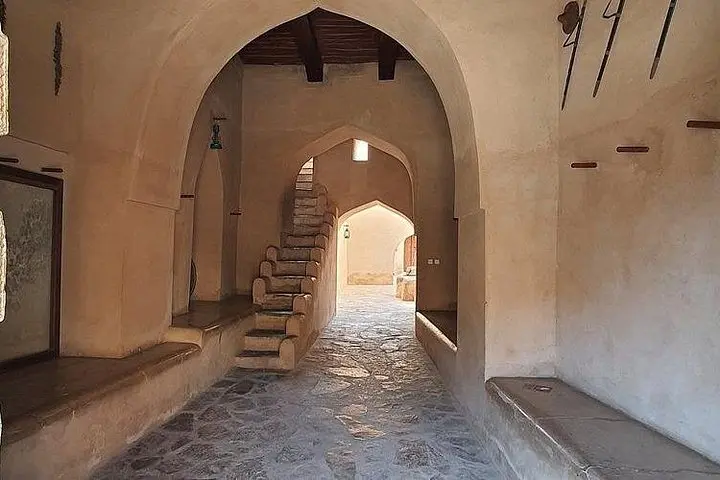
Geology and history thread through the route. The Hajar range, folded limestone and granite, frames drives to Nizwa and Jebel Akhdar where water carved terraces and the ancients built forts to control frankincense trade. Bahla and Jibreen record centuries of local power and learning; their thick walls and carved cedar doors reflect defensive architecture from medieval Oman.
The water days feel different: a short boat run to the Daymaniyat Islands opens to reefs where coral gardens and colourful reef fish wait; Wadi Shab’s pools and a swim-through cave reward a short canyon hike and a boat crossing. Bimmah Sinkhole offers a sudden, jewel-like pool where geology meets local myth.
Practical edge: pack reef-safe sunscreen, a lightweight dry bag and sturdy sandals with toe protection for wadis. Expect 4 days of mostly easy driving with short walks, one half-day boat trip, and swims—good mobility and basic swimming comfort required. Mornings are best for snorkeling and forts; afternoons suit wadi dips when sunlight warms pools. Bring cash for small entry fees and market purchases; follow local guidance when swimming or entering caves.
Boat rides vary by launch point but commonly take about 30–60 minutes from Muscat coast depending on sea conditions.
No—many visitors walk along pools and enjoy views; swimming to the inner cave is optional and requires comfortable swimming ability.
Some exterior visits are included; visiting interior sections (e.g., Nizwa Fort’s museum) may require an extra ticket paid locally.
Most group tours provide basic snorkel gear but check in advance; bringing a personal mask ensures fit and comfort.
Khalid Said operates guided outdoor trips and adventures with an emphasis on safety, stewardship, and memorable experiences.


Salt air and dry mountains meet at the edge of Muscat as your minivan peels out of the city and the rhythm of Oman reveals itself: whitewashed mosques, crenellated forts, and the steady pulse of the sea. On day one the Grand Mosque and Royal Opera stand like modern punctuation in a long history; forts and souqs follow, offering the tactile details—incense, carved doors, traders’ calls—that define Omani life.
Salt air and dry mountains meet at the edge of Muscat as your minivan peels out of the city and the rhythm of Oman reveals itself: whitewashed mosques, crenellated forts, and the steady pulse of the sea. On day one the Grand Mosque and Royal Opera stand like modern punctuation in a long history; forts and souqs follow, offering the tactile details—incense, carved doors, traders’ calls—that define Omani life.
Geology and history thread through the route. The Hajar range, folded limestone and granite, frames drives to Nizwa and Jebel Akhdar where water carved terraces and the ancients built forts to control frankincense trade. Bahla and Jibreen record centuries of local power and learning; their thick walls and carved cedar doors reflect defensive architecture from medieval Oman.
The water days feel different: a short boat run to the Daymaniyat Islands opens to reefs where coral gardens and colourful reef fish wait; Wadi Shab’s pools and a swim-through cave reward a short canyon hike and a boat crossing. Bimmah Sinkhole offers a sudden, jewel-like pool where geology meets local myth.
Practical edge: pack reef-safe sunscreen, a lightweight dry bag and sturdy sandals with toe protection for wadis. Expect 4 days of mostly easy driving with short walks, one half-day boat trip, and swims—good mobility and basic swimming comfort required. Mornings are best for snorkeling and forts; afternoons suit wadi dips when sunlight warms pools. Bring cash for small entry fees and market purchases; follow local guidance when swimming or entering caves.