THE ADVENTURE COLLECTIVE® · Independent discovery and booking for outdoor travel

A four-day private circuit through Ethiopia’s Omo Valley that pairs market days and tribal ceremonies with short village walks and river crossings. Ideal for travelers seeking intimate cultural exchange, rustic lodges, and vivid local traditions.
A four-day private circuit through Ethiopia’s Omo Valley that pairs market days and tribal ceremonies with short village walks and river crossings. Ideal for travelers seeking intimate cultural exchange, rustic lodges, and vivid local traditions.
You step out of the dusty jeep into a sunbaked market where women in beaded collars move like color-coded currents, and the Omo River murmurs nearby as if urging you onward.
Verified experiences and guided adventures in the surrounding area.
Operated by Great Ethiopian Tours · Turmi, Southern Nations, Nationalities, and Peoples' Region
You step out of the dusty jeep into a sunbaked market where women in beaded collars move like color-coded currents, and the Omo River murmurs nearby as if urging you onward.
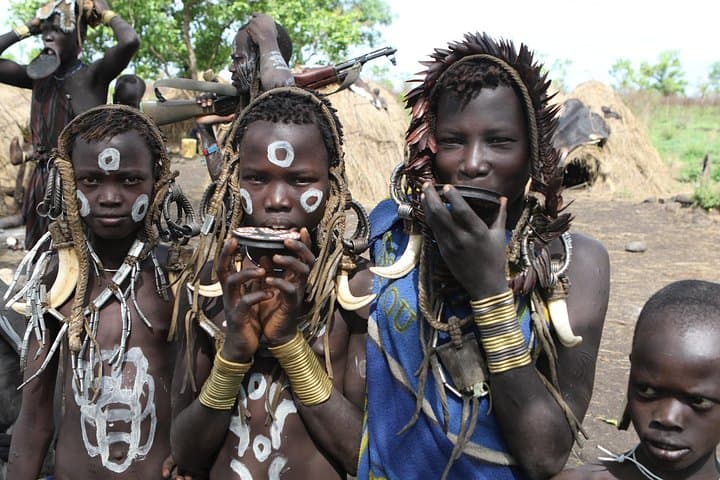
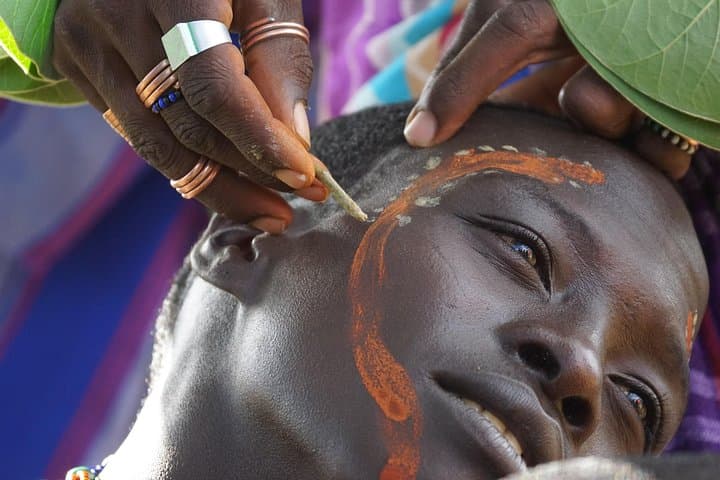
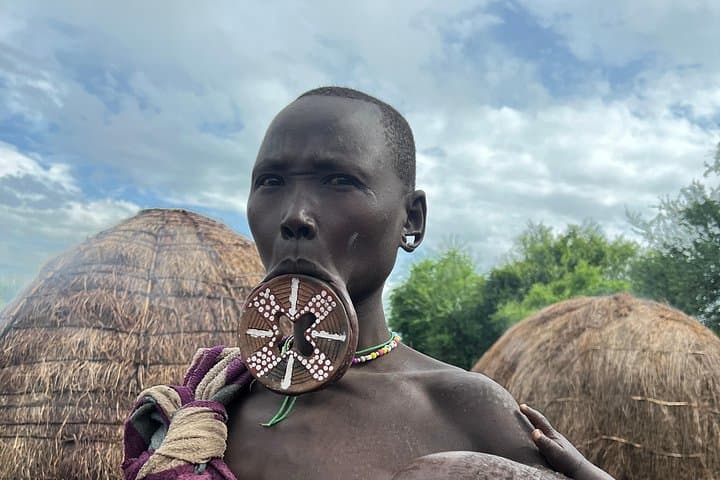
Over four days the itinerary threads through Turmi, the Karo riverbanks and the lowlands around Jinka and Mago National Park. Expect close-up cultural encounters: Hamar bull-jumping rites that mark passage to adulthood, Karo body-painting along the Omo’s edge, Dassanech canoe crossings, and visits to Mursi villages where lip plates and ear adornments hold social meaning.
Geologically the valley is a broad fluvial plain carved by the Omo River, feeding seasonal oxbows and floodplains; the low altitude yields dry heat punctuated by brief rains. Culturally this corridor is among Ethiopia’s most diverse: dozens of tribes with distinct dress, market rhythms, and oral histories keep centuries-old customs alive while negotiating modern pressures.
Practical guidance: travel here is low-impact but remote — roads are unpaved and drives can be dusty; light vehicle transfers and short village walks dominate the days. Bring cash for market purchases, carry plenty of water, and ask permission before photographing people. Guides facilitate introductions and translate; tipping and modest dress are appreciated.
Timing matters: markets and ceremonies follow local calendars, so flexibility is a benefit. Accommodations range from basic lodges in Turmi to slightly more developed options in Jinka, with meals usually included. This tour is immersive rather than strenuous — expect cultural intensity, rustic comforts, and a close look at life along the Omo River.
Consult a travel clinic for routine vaccinations and malaria advice; bring insect repellent and stay current on tetanus and hepatitis shots.
Reputable guides arrange introductions and explain local protocols—follow guide instructions, offer small gifts or purchases rather than unsolicited gifts, and never take photos without consent.
Expect long drives on unpaved, dusty roads; some transfers are several hours but broken up with market stops and short walks—prepare for bumpy rides.
The tour is generally family-friendly but includes uneven ground and river crossings; notify the operator about mobility needs so they can plan accessible options.
Great Ethiopian Tours operates guided outdoor trips and adventures with an emphasis on safety, stewardship, and memorable experiences.

You step out of the dusty jeep into a sunbaked market where women in beaded collars move like color-coded currents, and the Omo River murmurs nearby as if urging you onward.
You step out of the dusty jeep into a sunbaked market where women in beaded collars move like color-coded currents, and the Omo River murmurs nearby as if urging you onward.
Over four days the itinerary threads through Turmi, the Karo riverbanks and the lowlands around Jinka and Mago National Park. Expect close-up cultural encounters: Hamar bull-jumping rites that mark passage to adulthood, Karo body-painting along the Omo’s edge, Dassanech canoe crossings, and visits to Mursi villages where lip plates and ear adornments hold social meaning.
Geologically the valley is a broad fluvial plain carved by the Omo River, feeding seasonal oxbows and floodplains; the low altitude yields dry heat punctuated by brief rains. Culturally this corridor is among Ethiopia’s most diverse: dozens of tribes with distinct dress, market rhythms, and oral histories keep centuries-old customs alive while negotiating modern pressures.
Practical guidance: travel here is low-impact but remote — roads are unpaved and drives can be dusty; light vehicle transfers and short village walks dominate the days. Bring cash for market purchases, carry plenty of water, and ask permission before photographing people. Guides facilitate introductions and translate; tipping and modest dress are appreciated.
Timing matters: markets and ceremonies follow local calendars, so flexibility is a benefit. Accommodations range from basic lodges in Turmi to slightly more developed options in Jinka, with meals usually included. This tour is immersive rather than strenuous — expect cultural intensity, rustic comforts, and a close look at life along the Omo River.