THE ADVENTURE COLLECTIVE® · Independent discovery and booking for outdoor travel

Discover Ethiopia’s Omo Valley on an 8-day guided tour that pairs intense cultural encounters with riverine wildlife and UNESCO-listed terraces. Expect long drives, basic lodges, market visits and close-up introductions to Mursi, Hamer and Konso communities.
Discover Ethiopia’s Omo Valley on an 8-day guided tour that pairs intense cultural encounters with riverine wildlife and UNESCO-listed terraces. Expect long drives, basic lodges, market visits and close-up introductions to Mursi, Hamer and Konso communities.
A heat-scrubbed road unfurls through basalt ridgelines and acacia, the Omo River running like a silver promise at the valley floor. By day two you’ll be skimming Lake Chamo in a small boat, crocodiles sunning on the banks while hippos blow in the shallows; by midweek you’re walking barefoot past cobbled terraces and meeting people whose dress and rituals read like living history.
Verified experiences and guided adventures in the surrounding area.
Operated by Ethio Tours · Jinka, Southern Nations, Nationalities, and Peoples' Region
A heat-scrubbed road unfurls through basalt ridgelines and acacia, the Omo River running like a silver promise at the valley floor. By day two you’ll be skimming Lake Chamo in a small boat, crocodiles sunning on the banks while hippos blow in the shallows; by midweek you’re walking barefoot past cobbled terraces and meeting people whose dress and rituals read like living history.
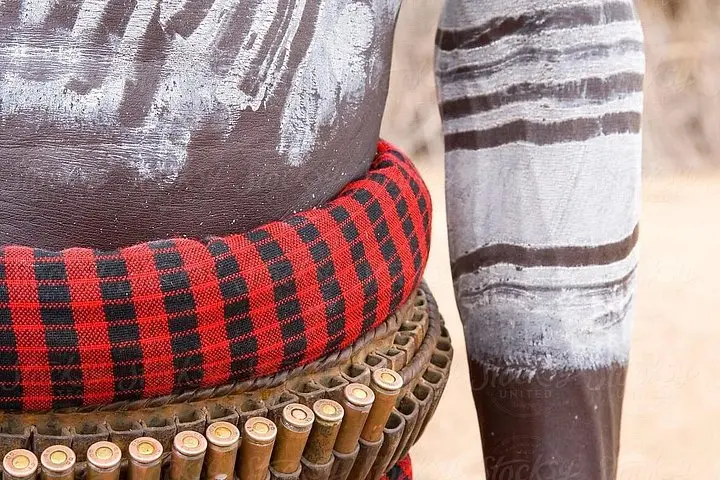
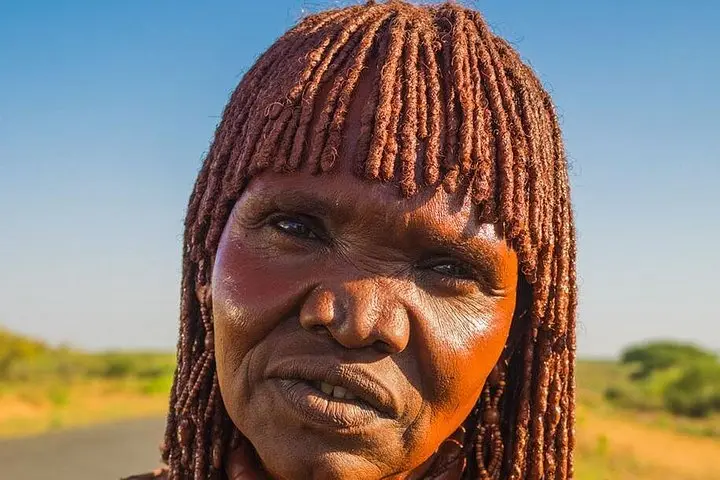
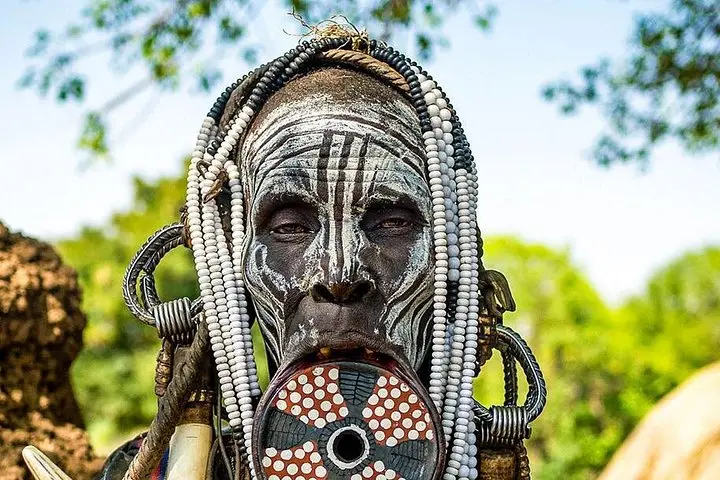
The Omo Valley sits inside Africa’s Great Rift Valley, carved by tectonic forces and fed by the Omo River’s seasonal pulse. The Konso terraces nearby are a UNESCO-listed agricultural landscape built from volcanic soils; the region’s geology funnels birds and game to lakes and river edges, shaping livelihoods for groups such as the Mursi, Hamer, Dassanech, Benna and Ari. Cultural encounters here are direct — market barter, body scarification, lip plates and bull-jumping are traditions with deep local meaning.
Practical guidance matters: expect long drives on unpaved roads, basic 3-star lodges, and early starts for market days. Bring cash — many villages operate outside banking networks — and a lightweight cover for respectful photography. Weather ranges from hot and dusty to cool nights; hydration and sun protection are essential. The trip balances cultural immersion with wildlife viewing, with guided visits to Mago National Park and boat trips on Lake Chamo. If you go, move slowly, ask before photographing, and plan for travel windows — some roads become difficult after heavy rains. This is a journey less about extremes and more about close observation: rivers daring you to notice, landscapes pushing you forward, people anchoring every stop with stories.
Consult a travel clinic — routine vaccinations plus yellow fever proof and malaria precautions are commonly recommended for southern Ethiopia.
Many transfers are long and include unpaved sections; expect several hours between towns and occasional rough stretches, especially after rain.
Photography etiquette varies by group; always ask permission, offer a small tip if appropriate, and respect refusals or restrictions on sacred rituals.
Lodging is typically basic 3-star lodges or similar; amenities are comfortable but not luxury — plan for limited service in remote areas.
Ethio Tours operates guided outdoor trips and adventures with an emphasis on safety, stewardship, and memorable experiences.

A heat-scrubbed road unfurls through basalt ridgelines and acacia, the Omo River running like a silver promise at the valley floor. By day two you’ll be skimming Lake Chamo in a small boat, crocodiles sunning on the banks while hippos blow in the shallows; by midweek you’re walking barefoot past cobbled terraces and meeting people whose dress and rituals read like living history.
A heat-scrubbed road unfurls through basalt ridgelines and acacia, the Omo River running like a silver promise at the valley floor. By day two you’ll be skimming Lake Chamo in a small boat, crocodiles sunning on the banks while hippos blow in the shallows; by midweek you’re walking barefoot past cobbled terraces and meeting people whose dress and rituals read like living history.
The Omo Valley sits inside Africa’s Great Rift Valley, carved by tectonic forces and fed by the Omo River’s seasonal pulse. The Konso terraces nearby are a UNESCO-listed agricultural landscape built from volcanic soils; the region’s geology funnels birds and game to lakes and river edges, shaping livelihoods for groups such as the Mursi, Hamer, Dassanech, Benna and Ari. Cultural encounters here are direct — market barter, body scarification, lip plates and bull-jumping are traditions with deep local meaning.
Practical guidance matters: expect long drives on unpaved roads, basic 3-star lodges, and early starts for market days. Bring cash — many villages operate outside banking networks — and a lightweight cover for respectful photography. Weather ranges from hot and dusty to cool nights; hydration and sun protection are essential. The trip balances cultural immersion with wildlife viewing, with guided visits to Mago National Park and boat trips on Lake Chamo. If you go, move slowly, ask before photographing, and plan for travel windows — some roads become difficult after heavy rains. This is a journey less about extremes and more about close observation: rivers daring you to notice, landscapes pushing you forward, people anchoring every stop with stories.