THE ADVENTURE COLLECTIVE® · Independent discovery and booking for outdoor travel

A five‑day cultural circuit through southern Ethiopia that links Dorze weavers, Konso terraces, Mursi lip plates and the painted Karo — a compact, immersive introduction to Omo Valley life. Expect long drives, boat crossings and close community encounters.
A five‑day cultural circuit through southern Ethiopia that links Dorze weavers, Konso terraces, Mursi lip plates and the painted Karo — a compact, immersive introduction to Omo Valley life. Expect long drives, boat crossings and close community encounters.
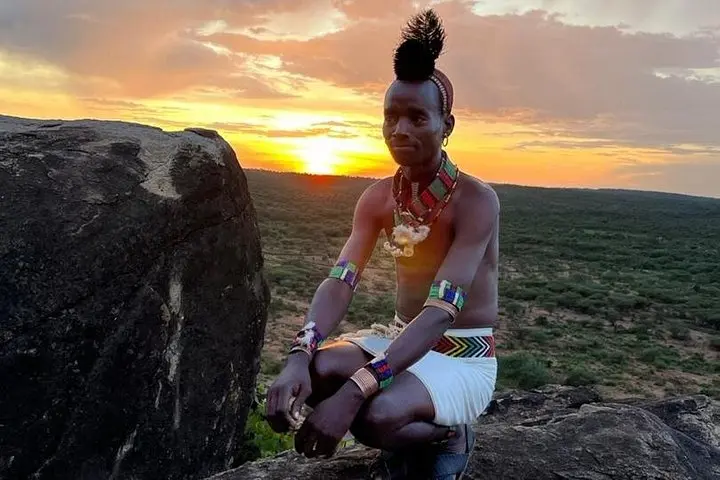
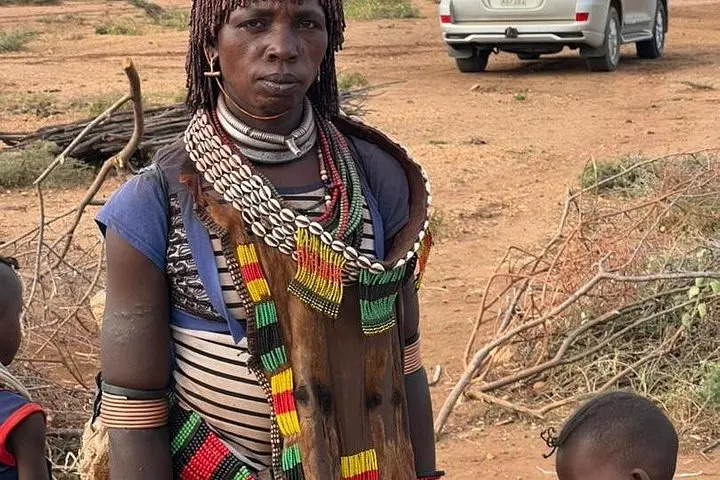
Dawn breaks over parched plains and the Omo River runs like a dark ribbon daring you to follow. On this five‑day circuit, travelers move from Arbaminch’s dusty runway into a landscape where bamboo beehive huts, painted bodies and terrace walls sketch lives older than the maps. Road dust lifts in wind gusts; children peer from village paths as guides arrange meetings with Dorze weavers and Hamer elders.
Verified experiences and guided adventures in the surrounding area.
Operated by Simen Land Tours · Jinka, Southern Nations, Nationalities, and Peoples' Region
Dawn breaks over parched plains and the Omo River runs like a dark ribbon daring you to follow. On this five‑day circuit, travelers move from Arbaminch’s dusty runway into a landscape where bamboo beehive huts, painted bodies and terrace walls sketch lives older than the maps. Road dust lifts in wind gusts; children peer from village paths as guides arrange meetings with Dorze weavers and Hamer elders.
The Omo Valley sits on a geological divide where volcanic highlands drop into the rift-adjacent plains. Human history here is deep — UNESCO‑listed Konso terraces mark centuries of engineered agriculture, while nearby Mago National Park fronts savanna that still supports semi-nomadic communities and wildlife. Cultural protocols matter: many tribes preserve distinct dress, scarification and initiation rites that offer insight into social identity and adaptation to a challenging environment.
Expect long drives (several hours between stops), short guided walks within villages, boat crossings of the Omo River and simple lodgings in towns like Jinka or Turmi. Photography is often permitted but always ask first; gifts and small purchases support local economies more than intrusive souvenirs.
Practical guidance: travel light, carry cash in small denominations, and plan for heat, dust and sudden rain. Hydrate frequently, wear sun protection and comfortable closed-toe shoes for uneven ground. Timing visits to coincide with local market days increases the chance of witnessing ceremonies and communal trade. This is a trip of people and place — adventurous, educational, and demanding of cultural respect.
Consult a travel clinic for up‑to‑date advice; routine vaccinations plus hepatitis A and typhoid are commonly recommended and malaria prophylaxis may be advised.
Expect several hours of driving between towns and villages; days are structured around travel and village visits rather than long hikes.
Yes — the itinerary includes local guides and scouts who facilitate introductions and interpret cultural norms.
Accommodations are generally simple hotels or lodges in towns like Jinka, Turmi and Arbaminch; comforts vary and power/wifi can be intermittent.
Simen Land Tours operates guided outdoor trips and adventures with an emphasis on safety, stewardship, and memorable experiences.
Dawn breaks over parched plains and the Omo River runs like a dark ribbon daring you to follow. On this five‑day circuit, travelers move from Arbaminch’s dusty runway into a landscape where bamboo beehive huts, painted bodies and terrace walls sketch lives older than the maps. Road dust lifts in wind gusts; children peer from village paths as guides arrange meetings with Dorze weavers and Hamer elders.
Dawn breaks over parched plains and the Omo River runs like a dark ribbon daring you to follow. On this five‑day circuit, travelers move from Arbaminch’s dusty runway into a landscape where bamboo beehive huts, painted bodies and terrace walls sketch lives older than the maps. Road dust lifts in wind gusts; children peer from village paths as guides arrange meetings with Dorze weavers and Hamer elders.
The Omo Valley sits on a geological divide where volcanic highlands drop into the rift-adjacent plains. Human history here is deep — UNESCO‑listed Konso terraces mark centuries of engineered agriculture, while nearby Mago National Park fronts savanna that still supports semi-nomadic communities and wildlife. Cultural protocols matter: many tribes preserve distinct dress, scarification and initiation rites that offer insight into social identity and adaptation to a challenging environment.
Expect long drives (several hours between stops), short guided walks within villages, boat crossings of the Omo River and simple lodgings in towns like Jinka or Turmi. Photography is often permitted but always ask first; gifts and small purchases support local economies more than intrusive souvenirs.
Practical guidance: travel light, carry cash in small denominations, and plan for heat, dust and sudden rain. Hydrate frequently, wear sun protection and comfortable closed-toe shoes for uneven ground. Timing visits to coincide with local market days increases the chance of witnessing ceremonies and communal trade. This is a trip of people and place — adventurous, educational, and demanding of cultural respect.