THE ADVENTURE COLLECTIVE® · Independent discovery and booking for outdoor travel

Travel from Jinka into the lower Omo Valley to meet Mursi, Hamar, Karo and Dassanech communities across a three‑day cultural circuit. Expect long dusty drives, market visits, river crossings and authentic village stays with clear guidance on etiquette and logistics.
Travel from Jinka into the lower Omo Valley to meet Mursi, Hamar, Karo and Dassanech communities across a three‑day cultural circuit. Expect long dusty drives, market visits, river crossings and authentic village stays with clear guidance on etiquette and logistics.
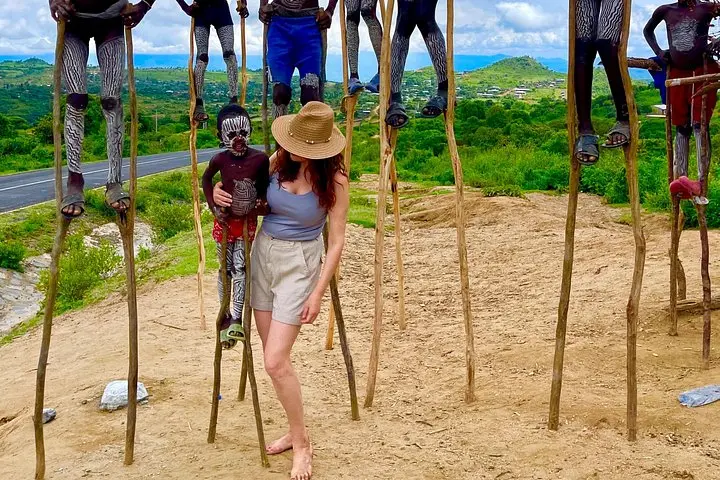
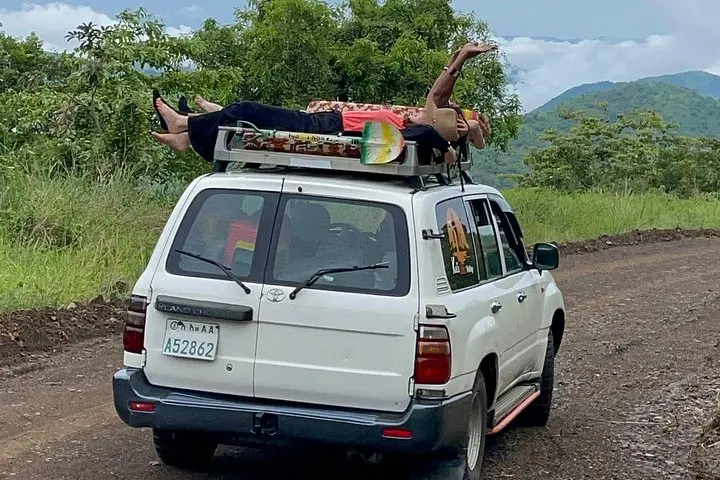
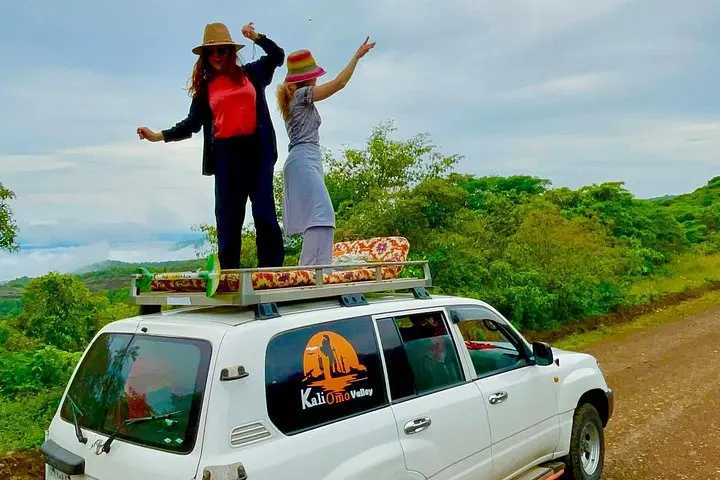
Dawn in the lower Omo Valley breaks hot and bright; dust lifts from the track as a Land Cruiser claws toward a village where painted bodies and braided hair wait under an enormous sky. The Omo River threads the landscape like a restless storyteller, pushing traders and fishermen toward its banks while the low hills hold the villages like chapters in a long conversation.
Verified experiences and guided adventures in the surrounding area.
Operated by Omo valley photography Tour guide · Jinka, SNNPR
Dawn in the lower Omo Valley breaks hot and bright; dust lifts from the track as a Land Cruiser claws toward a village where painted bodies and braided hair wait under an enormous sky. The Omo River threads the landscape like a restless storyteller, pushing traders and fishermen toward its banks while the low hills hold the villages like chapters in a long conversation.
This three‑day cultural immersion runs from Jinka into Turmi, Mago and east of the Omo River to Dassanech communities. Geologically the valley is the product of ancient rifting and riverine sediment—flat plains, seasonal floodplains and gallery forest where hippos wallow and Nile crocodiles sun themselves. Historically the Lower Omo Valley is a cradle of human diversity and archaeology; its living cultures—Mursi, Hamar, Karo, Nyangatom, Arbore and Dassanech—maintain traditions of scarification, body painting, bull‑jumping and elaborate jewelry.
Visits combine market time, village walks and, if scheduled, a traditional overnight camp with a Hamar settlement. Practical preparation pays off: move deliberately with the rhythm of the day, carry respectful questions, and keep sensitive to photography rules and local customs.
Expect long drives on dusty roads, short guided walks, boat crossings on the Omo and opportunities to observe daily life rather than staged performances. Hydration, sturdy shoes, sun protection and small bills for market purchases will make the trip smoother. For travelers seeking a direct, unvarnished encounter with pastoral life, this tour pairs cultural depth with straightforward logistics.
Local languages include Hamar, Mursi, Karo and others; guides typically speak Amharic and English to facilitate communication.
Some interactions are organized to allow visitors, but many observations are of daily life; always follow the guide’s advice and local rules to avoid disrupting routines.
The operator lists this as accessible for varied fitness levels, but expect uneven ground and basic facilities—discuss specific mobility needs with the operator before booking.
Most tours pick up from Jinka (airport or hotels) and use 4WD vehicles; expect full‑day drives between sites and scheduled drop‑off at Jinka Airport on day three.
Omo valley photography Tour guide operates guided outdoor trips and adventures with an emphasis on safety, stewardship, and memorable experiences.

Dawn in the lower Omo Valley breaks hot and bright; dust lifts from the track as a Land Cruiser claws toward a village where painted bodies and braided hair wait under an enormous sky. The Omo River threads the landscape like a restless storyteller, pushing traders and fishermen toward its banks while the low hills hold the villages like chapters in a long conversation.
Dawn in the lower Omo Valley breaks hot and bright; dust lifts from the track as a Land Cruiser claws toward a village where painted bodies and braided hair wait under an enormous sky. The Omo River threads the landscape like a restless storyteller, pushing traders and fishermen toward its banks while the low hills hold the villages like chapters in a long conversation.
This three‑day cultural immersion runs from Jinka into Turmi, Mago and east of the Omo River to Dassanech communities. Geologically the valley is the product of ancient rifting and riverine sediment—flat plains, seasonal floodplains and gallery forest where hippos wallow and Nile crocodiles sun themselves. Historically the Lower Omo Valley is a cradle of human diversity and archaeology; its living cultures—Mursi, Hamar, Karo, Nyangatom, Arbore and Dassanech—maintain traditions of scarification, body painting, bull‑jumping and elaborate jewelry.
Visits combine market time, village walks and, if scheduled, a traditional overnight camp with a Hamar settlement. Practical preparation pays off: move deliberately with the rhythm of the day, carry respectful questions, and keep sensitive to photography rules and local customs.
Expect long drives on dusty roads, short guided walks, boat crossings on the Omo and opportunities to observe daily life rather than staged performances. Hydration, sturdy shoes, sun protection and small bills for market purchases will make the trip smoother. For travelers seeking a direct, unvarnished encounter with pastoral life, this tour pairs cultural depth with straightforward logistics.