THE ADVENTURE COLLECTIVE® · Independent discovery and booking for outdoor travel

Track endangered white rhinos on foot at Ziwa Rhino Sanctuary—Uganda’s only site for guided rhino walks. This seven-hour, ranger-led day trip pairs close wildlife encounters with on-the-ground conservation insight.
Track endangered white rhinos on foot at Ziwa Rhino Sanctuary—Uganda’s only site for guided rhino walks. This seven-hour, ranger-led day trip pairs close wildlife encounters with on-the-ground conservation insight.
You step off the vehicle into high grass; the sun warms the soil and the scrub invites a hush. Rangers check boots and radios, then lead the line into open savannah where the ground feels both soft and ancient—each step measured, because the giants ahead move with surprising speed and focus. The walk is deliberate: slow scans for footprints, quiet conversation, and the sudden hush that signals a nearby rhino.
Verified experiences and guided adventures in the surrounding area.
Operated by wanderluxe safaris · Nakasongola, Nakasongola District
You step off the vehicle into high grass; the sun warms the soil and the scrub invites a hush. Rangers check boots and radios, then lead the line into open savannah where the ground feels both soft and ancient—each step measured, because the giants ahead move with surprising speed and focus. The walk is deliberate: slow scans for footprints, quiet conversation, and the sudden hush that signals a nearby rhino.
Ziwa Rhino Sanctuary sits in central Uganda’s rolling plains, a conservation project that reintroduced southern white rhinos in the 2000s after local extirpation. The landscape is more than savannah—riverine strips and woodland pockets support waterbuck, Uganda kob, warthogs and over 350 bird species, including the legendary shoebill in adjacent wetlands. Geologically the area is low-lying, with seasonally saturated soils that feed reed beds and small oxbow wetlands used by hippos and waterbirds.
Culturally, Ziwa is a working partnership between conservationists and local communities; ranger teams double as educators and guides. Expect interpretation on rhino biology, anti-poaching methods, and how sanctuary fees support local livelihoods.
Practical guidance: this is a guided, on-foot wildlife trek—moderate fitness and steady footing required. Wear closed, sturdy shoes, bring sun protection, and carry water and binoculars. Photography is allowed but follow ranger distance rules; flash and sudden movements will disturb animals. Pickup from Kampala or Entebbe is typical; the full experience runs about seven hours with most walking inside protected rhino zones. Move quietly, respect wildlife space, and leave no trace—your presence supports a rare opportunity to see rhinos on foot.
Rangers guide the group to safe, controlled viewing distances that allow good observation while minimizing disturbance; distances vary depending on animal behavior.
The experience requires moderate fitness and is not recommended for pregnant travelers or those with serious back or heart conditions; infants must sit on laps per operator rules.
Typical tours include a short break but do not guarantee full meals—bring light snacks; pickup logistics from Kampala/Entebbe may include a lunch stop depending on the operator.
Yes—most operators offer road transfers from Kampala or Entebbe; confirm pickup location and timing at booking.
wanderluxe safaris operates guided outdoor trips and adventures with an emphasis on safety, stewardship, and memorable experiences.
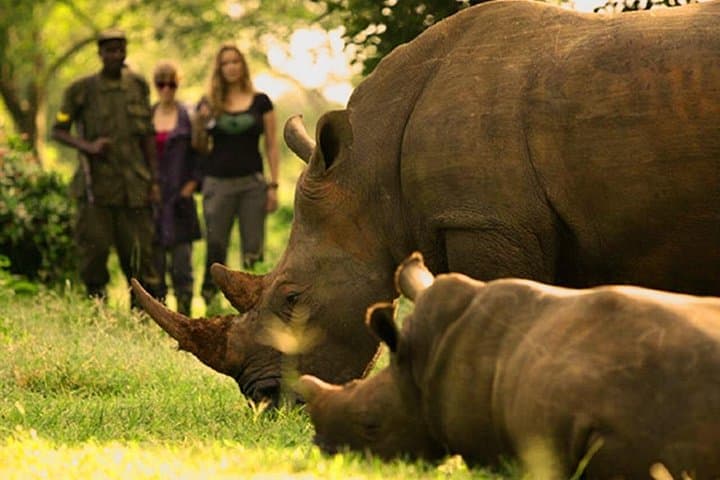


You step off the vehicle into high grass; the sun warms the soil and the scrub invites a hush. Rangers check boots and radios, then lead the line into open savannah where the ground feels both soft and ancient—each step measured, because the giants ahead move with surprising speed and focus. The walk is deliberate: slow scans for footprints, quiet conversation, and the sudden hush that signals a nearby rhino.
You step off the vehicle into high grass; the sun warms the soil and the scrub invites a hush. Rangers check boots and radios, then lead the line into open savannah where the ground feels both soft and ancient—each step measured, because the giants ahead move with surprising speed and focus. The walk is deliberate: slow scans for footprints, quiet conversation, and the sudden hush that signals a nearby rhino.
Ziwa Rhino Sanctuary sits in central Uganda’s rolling plains, a conservation project that reintroduced southern white rhinos in the 2000s after local extirpation. The landscape is more than savannah—riverine strips and woodland pockets support waterbuck, Uganda kob, warthogs and over 350 bird species, including the legendary shoebill in adjacent wetlands. Geologically the area is low-lying, with seasonally saturated soils that feed reed beds and small oxbow wetlands used by hippos and waterbirds.
Culturally, Ziwa is a working partnership between conservationists and local communities; ranger teams double as educators and guides. Expect interpretation on rhino biology, anti-poaching methods, and how sanctuary fees support local livelihoods.
Practical guidance: this is a guided, on-foot wildlife trek—moderate fitness and steady footing required. Wear closed, sturdy shoes, bring sun protection, and carry water and binoculars. Photography is allowed but follow ranger distance rules; flash and sudden movements will disturb animals. Pickup from Kampala or Entebbe is typical; the full experience runs about seven hours with most walking inside protected rhino zones. Move quietly, respect wildlife space, and leave no trace—your presence supports a rare opportunity to see rhinos on foot.